









AI Articles, Agents, RAG & LLM Guides
Production AI, written by the engineers who ship it. Agents, RAG, MCP, and the operational reality of AI at scale.
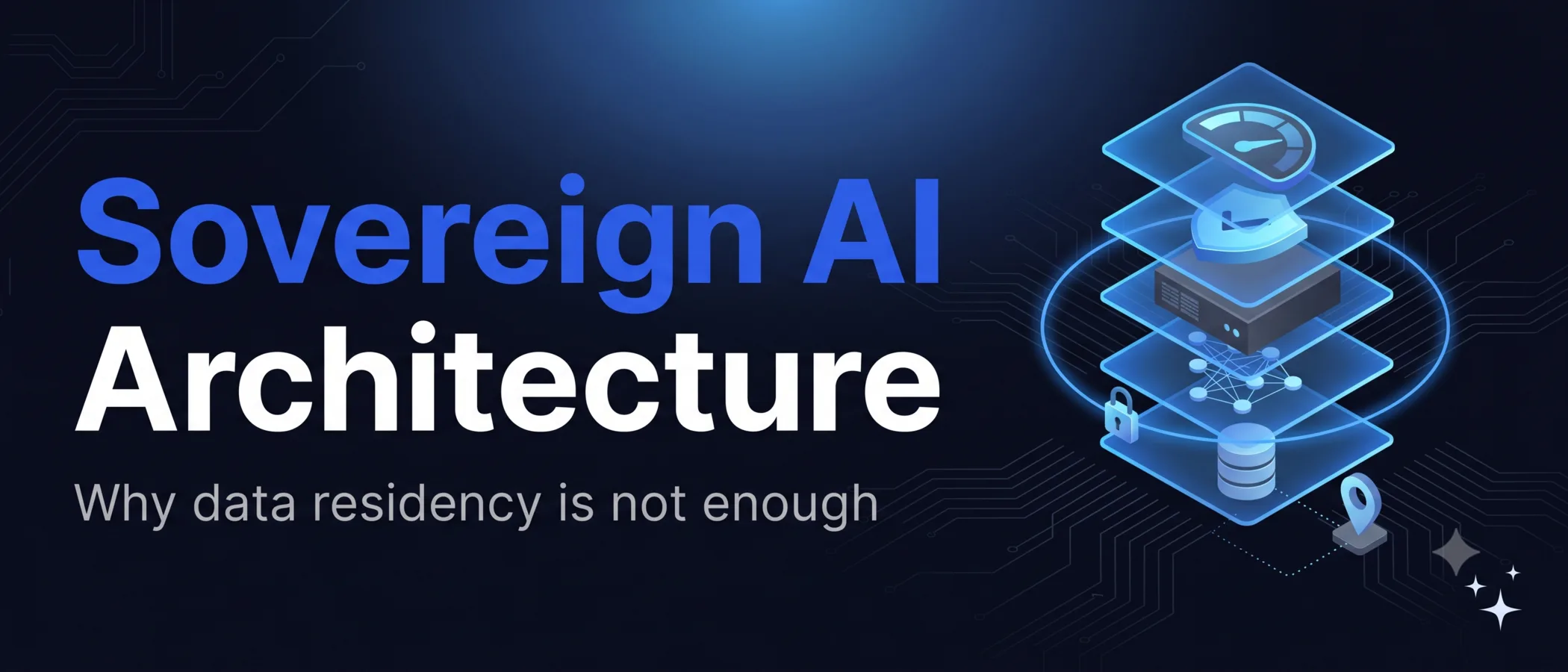

Sovereign AI Architecture, Why Data Residency Is Not Enough for Enterprise AI
Sovereign AI architecture goes beyond data residency. See the five layers to control, what the CLOUD Act and EU rules change, and how to keep models portable.
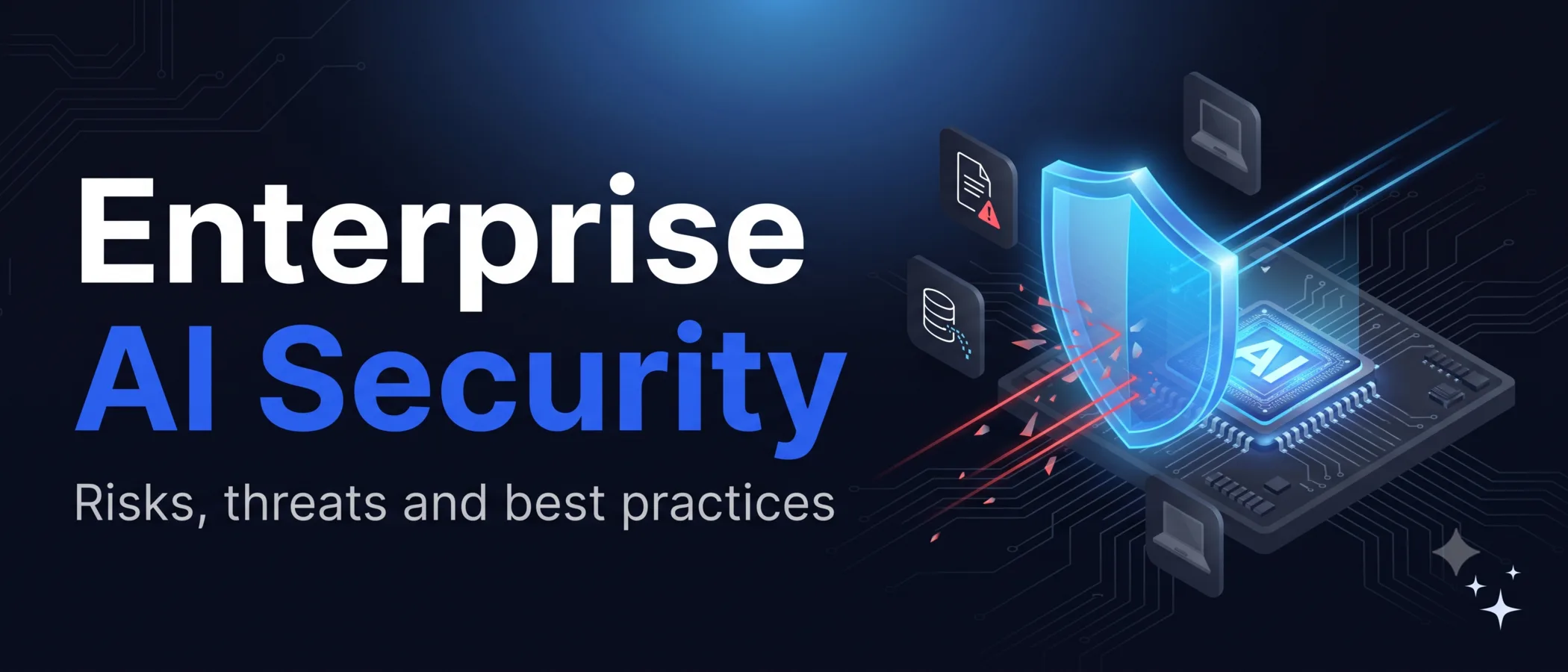

Enterprise AI Security Risks, Threats and Best Practices for Secure AI Adoption
Enterprise AI security risks explained, from prompt injection and AI data leakage to shadow AI and excessive agency, plus best practices for secure AI adoption.
Context Engineering for Production AI, What It Is and How to Do It Well
What context engineering is, why Thoughtworks moved it to Adopt in April 2026, the four techniques behind it, prompt caching costs, and how to measure results.
Enterprise AI Platform vs Direct Model API Access
When to buy an enterprise AI platform and when to call model APIs directly, what MCP changes, and how the answer differs by company size.

AI KPIs for CTOs, What to Track and How to Build an AI Performance Dashboard
One ROI number ends arguments rather than settling them. Five measurement layers, six fields every KPI needs before it earns a place, and the DORA set for delivery.

From AI Pilot to Production, Scaling AI Across the Enterprise
Nearly two thirds of organizations have not begun scaling AI across the enterprise. Six gates decide whether a working pilot survives contact with production traffic.

How to Choose an AI Model for Production
A repeatable method for choosing an AI model, build an eval set from real traffic, measure cost per successful task, and set a latency budget.
OpenAI GPT-6 Astra Explained, What Shipped and What Breaks in Your API
OpenAI shipped GPT-6 Astra on 3 September 2026. Verified specs, the full pricing table, the 272K cost cliff, and every API change that breaks existing code.

Best Claude Code Consulting Companies in 2026
The best Claude Code consulting companies in 2026, compared by verified focus and fit, from Anthropic directory partners to specialist and training firms.
AI Engineer Roadmap and Skills for 2026
AI engineer roadmap for 2026 in four phases, the skills US employers post for, from RAG and agents to evals, and the portfolio projects that get you hired.
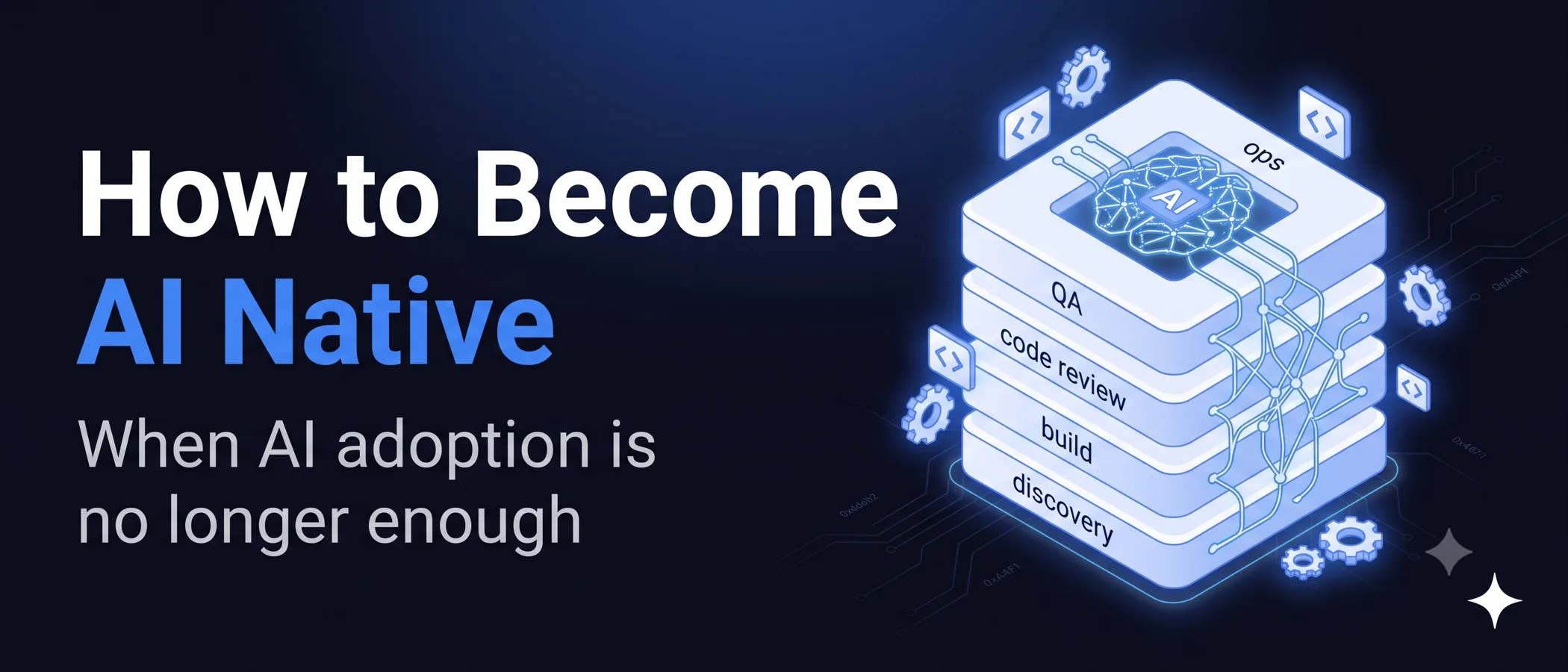
How to Become AI Native When Adoption Is No Longer Enough
AI adoption is easy. Becoming AI native means rebuilding how you build and what you ship around AI. A practical framework, and what the data says about the value gap.
Why AI Projects Miss ROI and How to Fix It
Most AI projects miss ROI because of execution, not the model. The five failure modes that stall returns, and the operating model that fixes each one.
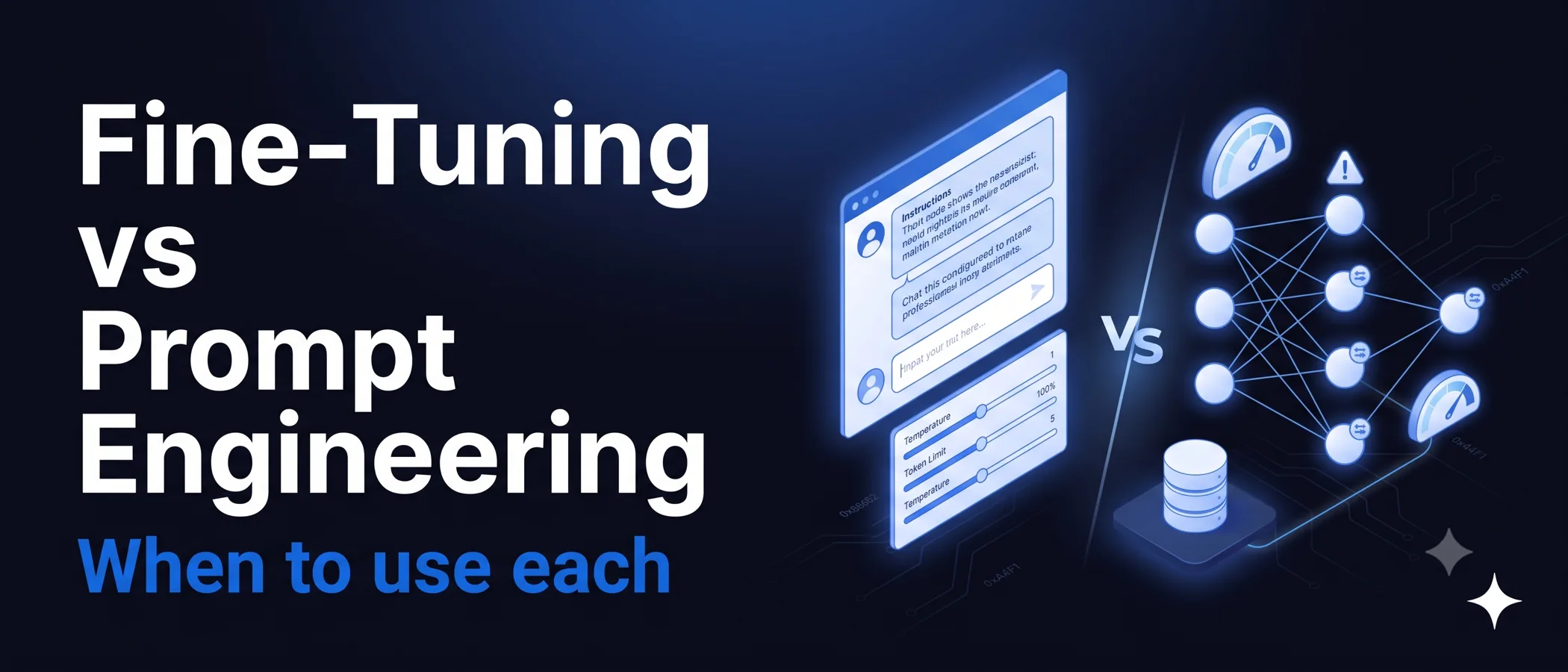
Fine Tuning vs Prompt Engineering, When to Use Each
Prompt engineering is usually enough at first. When fine tuning becomes worth the cost, complexity, and maintenance, with a clear five step decision framework for AI teams.
Claude vs GPT vs Gemini in 2026, Which AI Model to Use
No single winner. Claude leads coding and agents, GPT owns the broadest ecosystem, Gemini wins on context, multimodal, and price. Which to use for each job.
RAG vs Fine Tuning vs Agents, Choosing the Right LLM Strategy in 2026
RAG vs fine tuning vs agents in 2026, what each does, costs, and a clear decision framework for grounding, customizing, and acting with large language models.
We Built a Production Website in 4 Hours with Claude Fable 5. When ChatGPT Launched, It Took a Team Months.
We built a full marketing website in about 4 hours with Claude Fable 5, logo and SEO included. The same site once took a team months.
Claude Fable 5 and Mythos 5, the New Anthropic Models Explained for Builders
Anthropic's Claude Fable 5 and Mythos 5, explained. Benchmarks (80% on SWE-bench Pro vs 58.6% for GPT-5.5), pricing ($10/$50 per million tokens), real results from Stripe and GitHub, safety, and what they change for teams building with Claude.
AI Statistics 2026, Adoption, ROI and Real-World Impact
Verified 2026 AI statistics, market size (~$2.5T spend), enterprise adoption (88%), ROI and failure rates (80–95%), agentic AI, AI-assisted coding (~46% of code), industry breakdowns, jobs (+78M net by 2030), and AI search. Every figure sourced and refreshed quarterly.