










Redesigned and rebuilt the Blue Kite booking platform with a modern guest experience and a collaboratively architected backend integration
A React and Next.js progressive web experience for a hospitality booking brand, with property discovery, booking, payments, user profiles and a quotation engine, delivered alongside collaborative solution architecture work with the customer’s backend team.
Key Takeaways
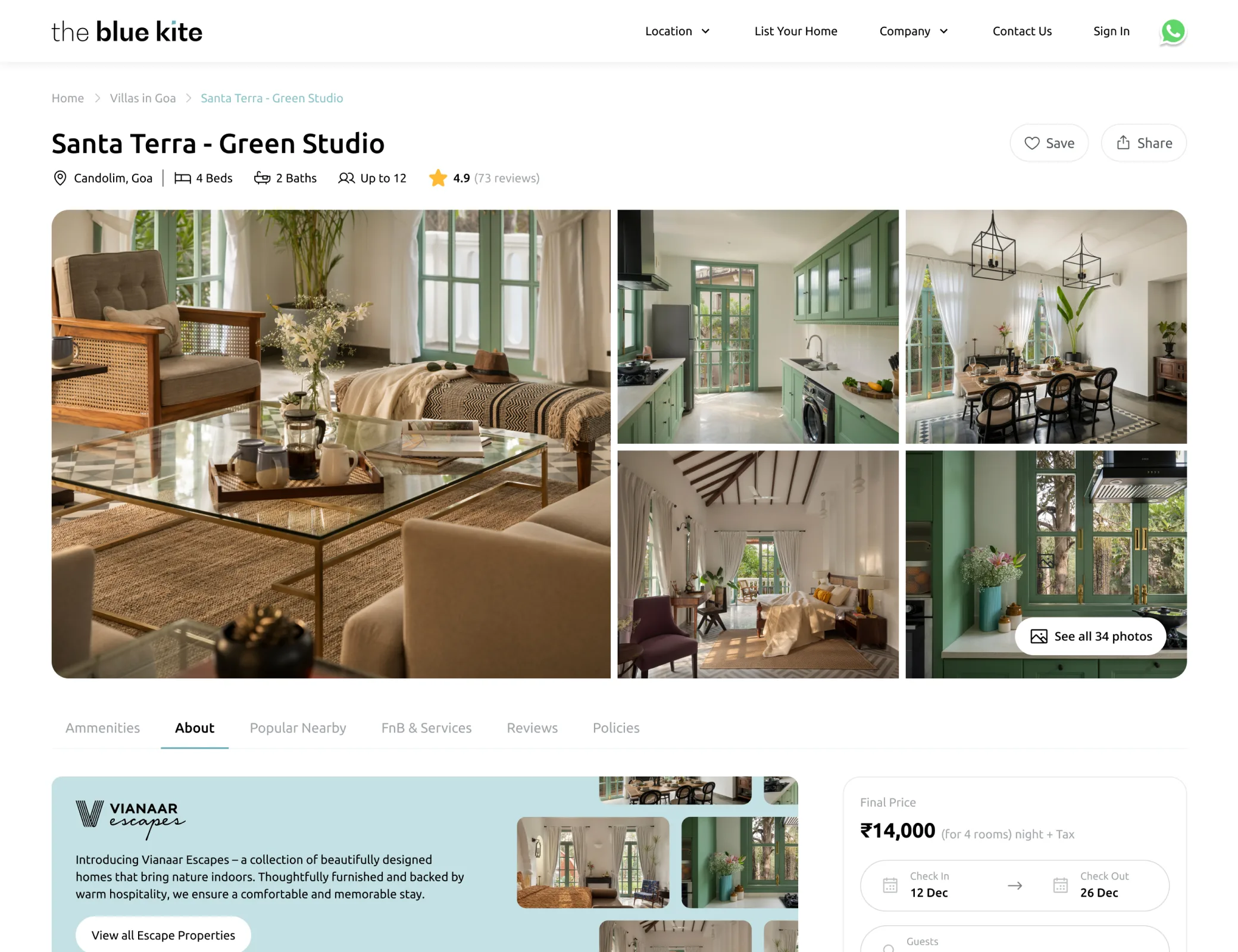
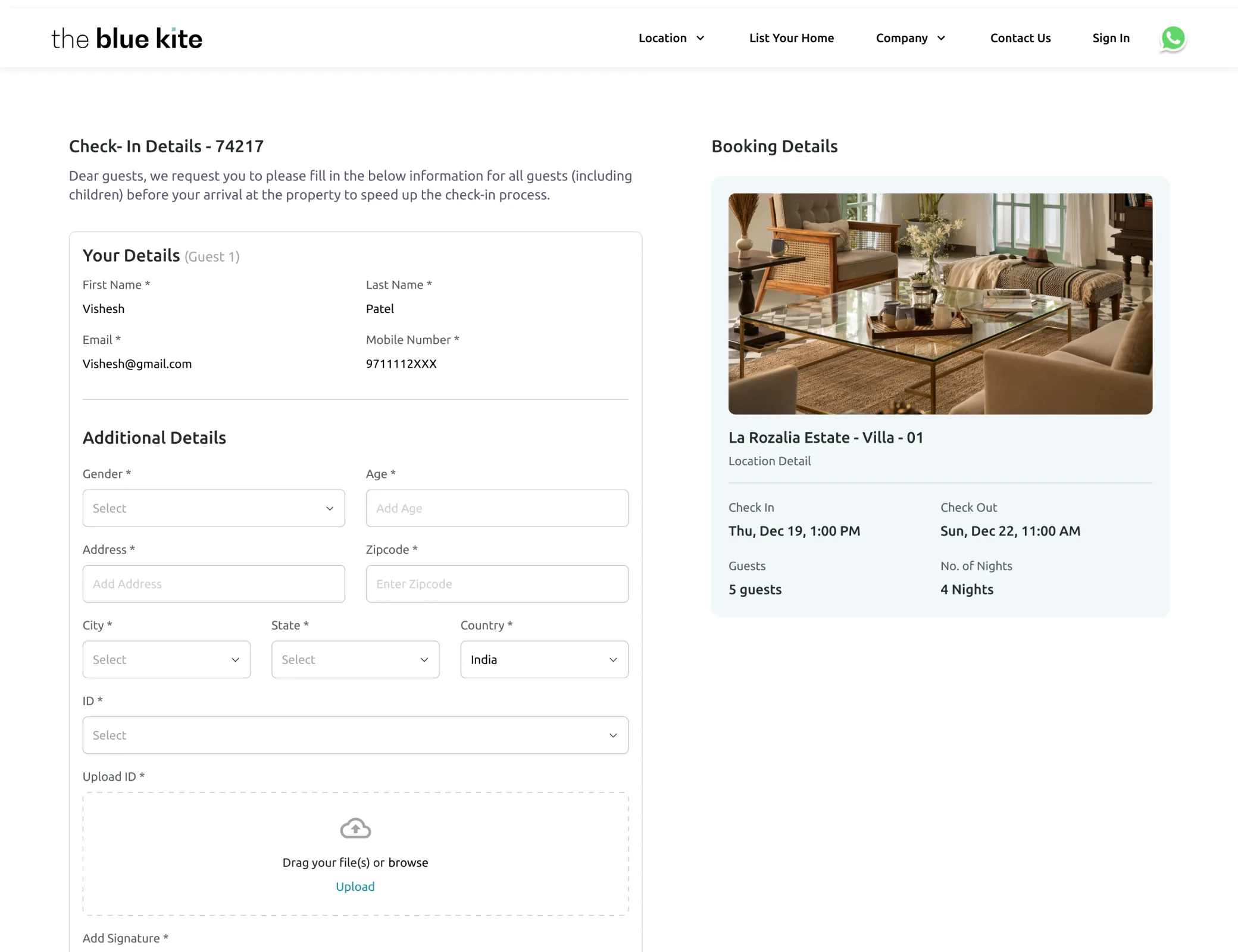
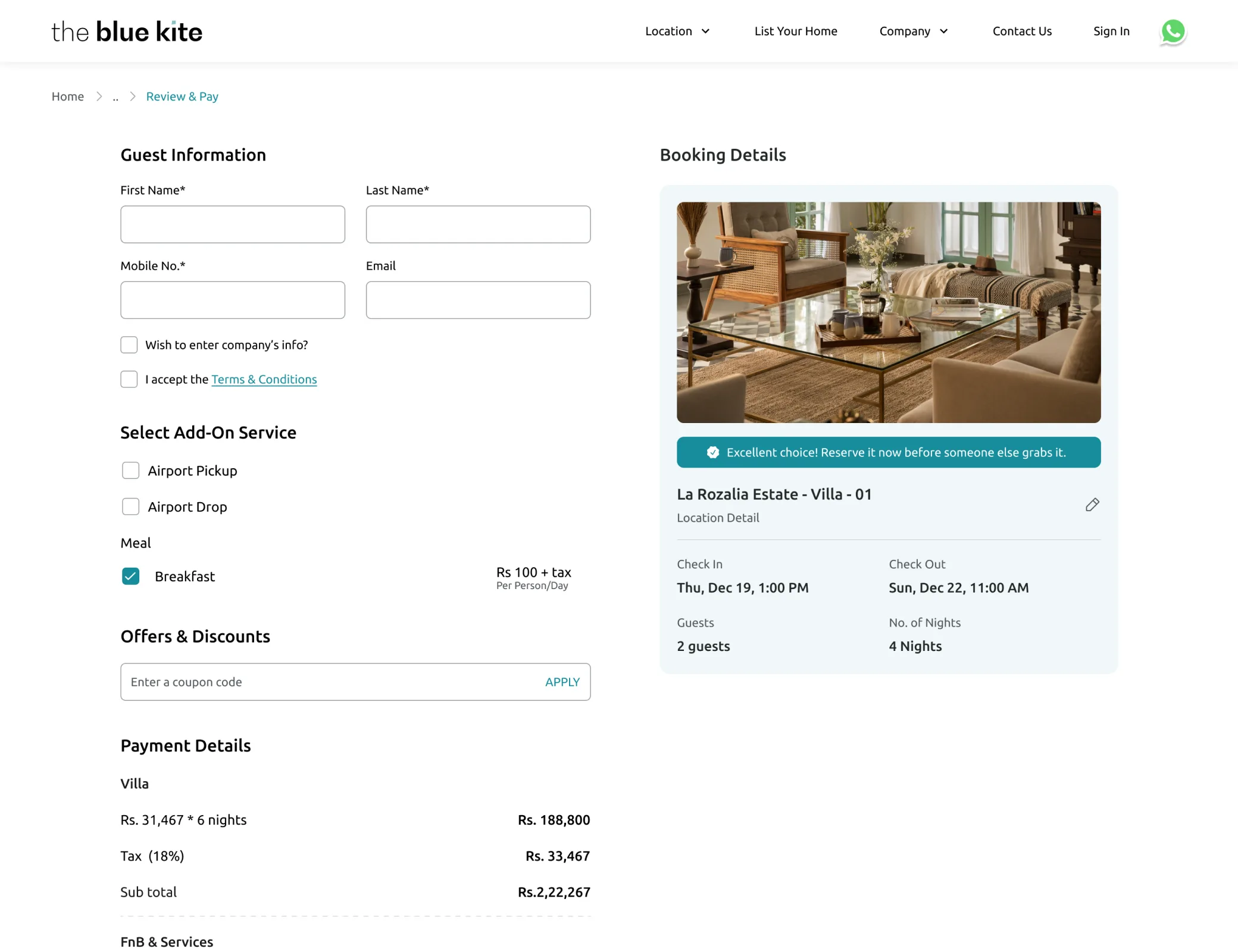
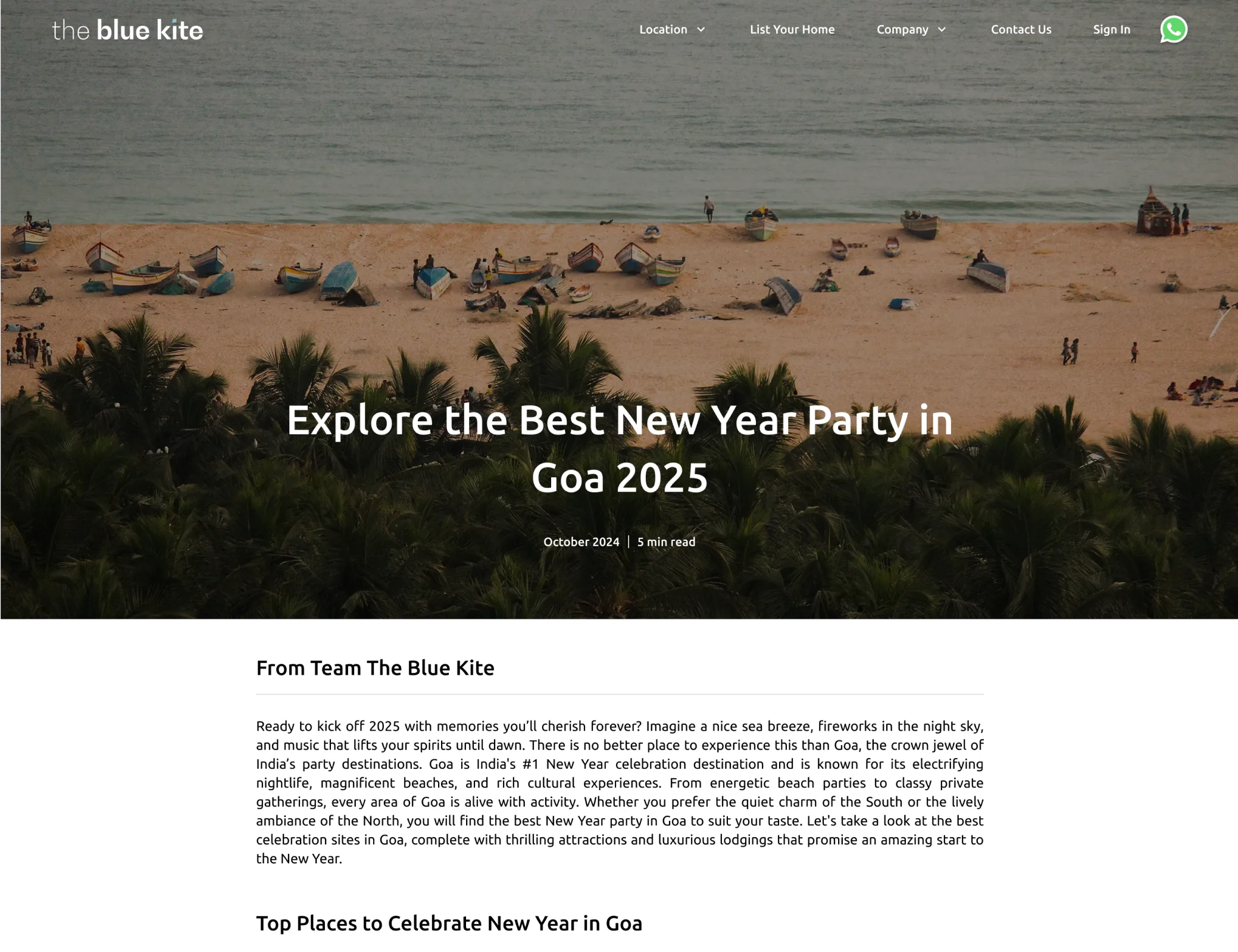
Blue Kite came to Unico Connect to redesign their booking experience and rebuild it with the kind of modern feel the hospitality category now expects. We delivered the UI/UX design and frontend development on React and Next.js — property discovery, booking, payments and a full guest profile with booking history, loyalty points and a wishlist.
We also collaborated with the customer’s backend team on the overall solution architecture and API structure, giving Blue Kite a guest experience that matches the brand and supports their next phase of growth.
The Challenge
Blue Kite operates in hospitality booking, a category where the guest experience on the platform is inseparable from the experience the guest expects from the brand. Customers shopping for a stay are making an emotional purchase as much as a transactional one; the platform either reinforces the brand promise or undermines it. Blue Kite came to Unico Connect recognising that their existing site was undermining it — the UX felt dated against the brands customers compared them to, the conversion path was longer than it needed to be, and the platform lacked the modern feel the category leaders had set as the baseline.
The team had specific ambitions: a refreshed, brand-aligned design that elevated the experience from the first moment; a tightened conversion path; a user profile that felt like a relationship surface (booking history, loyalty points, wishlist, exclusive deals, cancellation workflows) rather than a transactional record; and operational features the previous site lacked, like a quotation engine for agents and a coupon system the marketing team could actually use.
There was a parallel set of backend decisions not strictly in the original scope — the backend was built and maintained by Blue Kite’s internal team, but they had open questions on API structure, the data model and frontend/backend coordination. Treating the two as separate workstreams would have produced a platform that did not hold together, so the engagement extended into collaborative architecture work alongside the implementation, within the brand guidelines, the existing hosting environment and strong mobile performance.
Our Approach
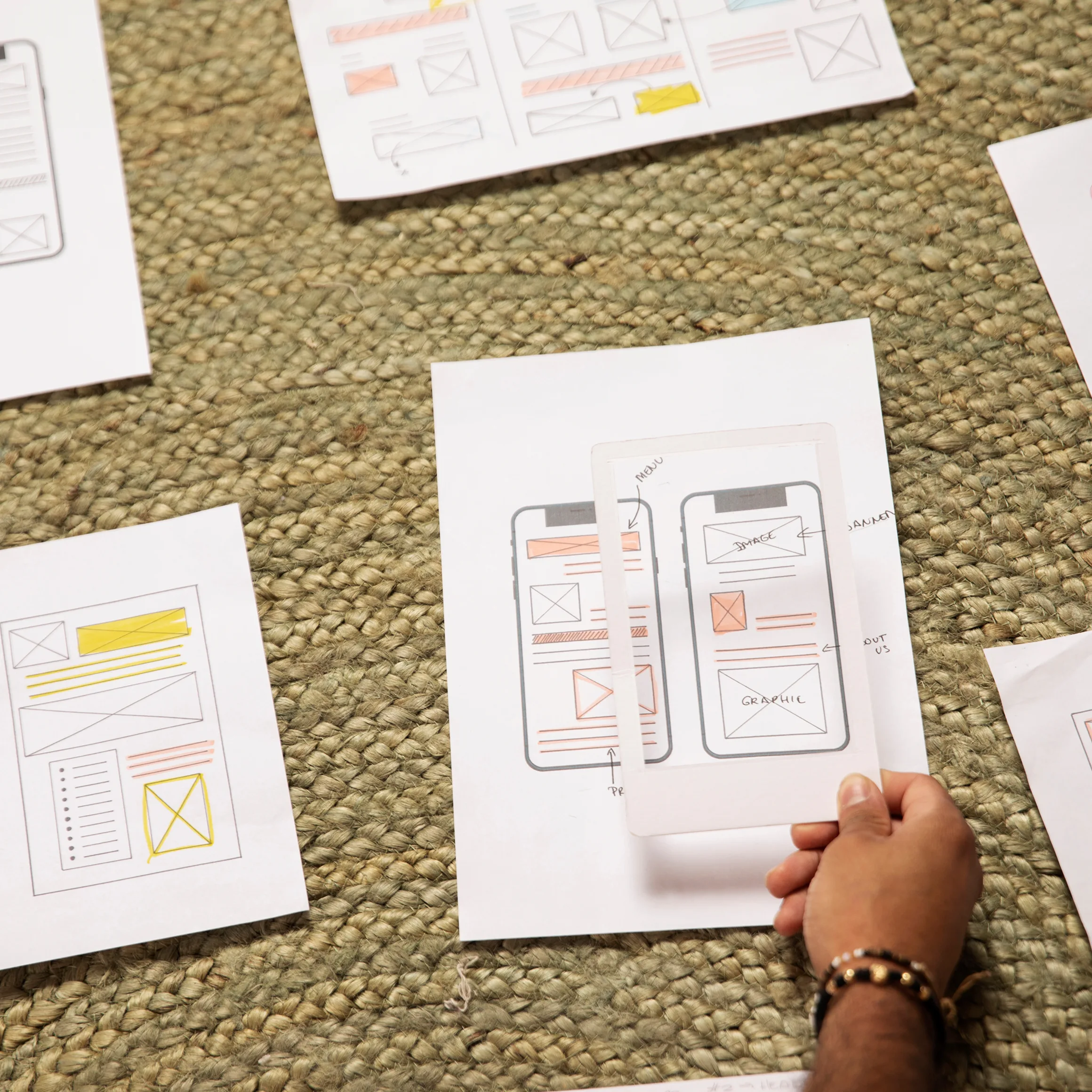
We engaged on the design and frontend development, deliberately extending into collaborative architecture work with the backend team. The first phase was discovery and UI/UX design — competitor analysis, user personas, information architecture, wireframes and a typography and visual system aligned with the brand guidelines — aimed at design that did not just look better but addressed the experience problems the previous site was producing.
Key decisions:
Premium, brand-aligned design system
Anchored to feel premium and contemporary while staying inside the brand’s identity — working within the hospitality patterns that convert (large imagery, clear pricing, fast flow, trust signals) and differentiating where Blue Kite had something specific to say.
React + Next.js for the booking journey
Server-side rendering for the public pages where the first impression often lands (a property detail page from search), with the interactivity the booking and profile surfaces need.
Frontend and backend as one architecture
We shaped the API surface, data model and integration patterns alongside Blue Kite’s backend team — not building the backend, but ensuring the two were designed to work together cleanly rather than glued together late.
The solution we built
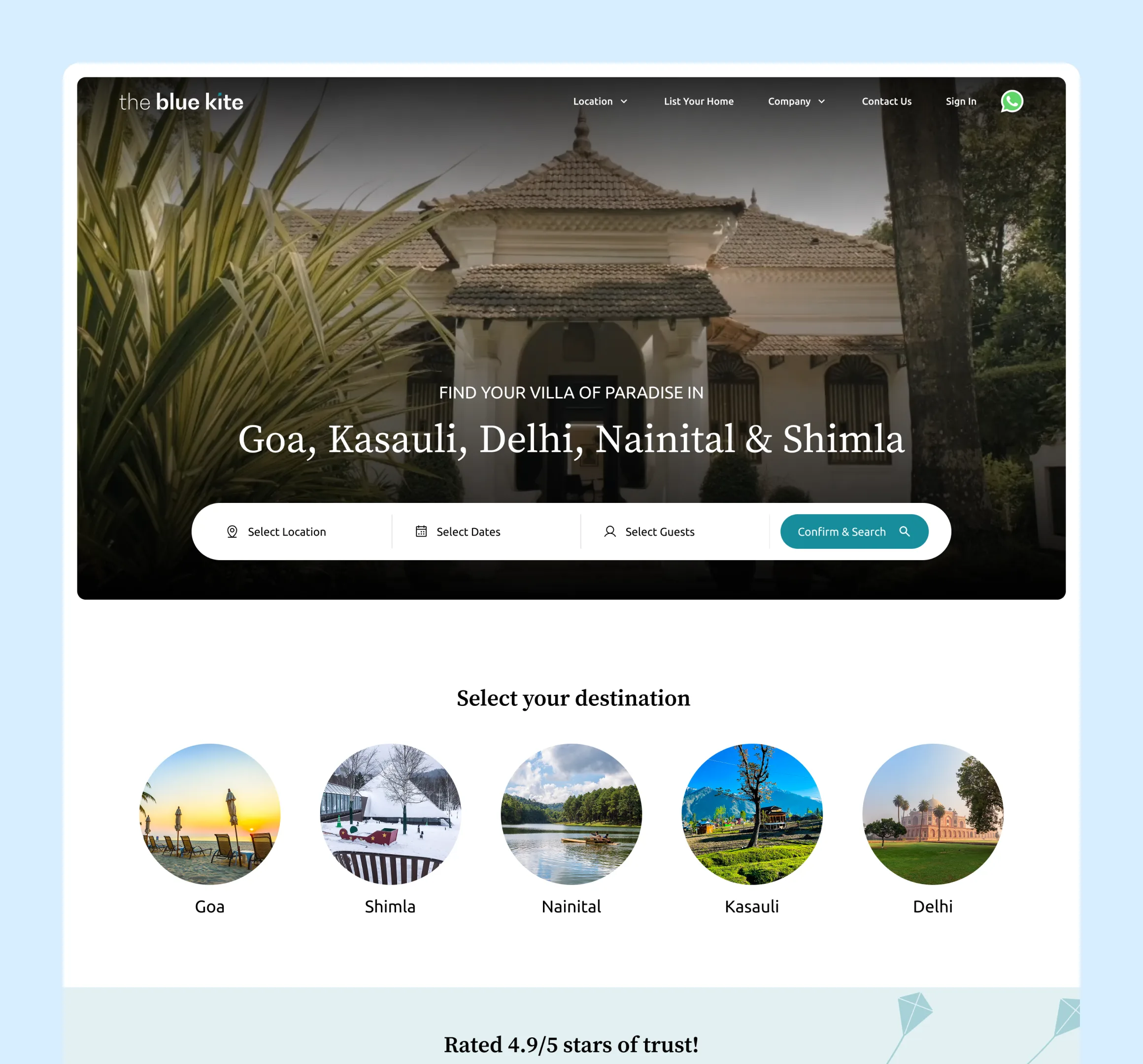
A React and Next.js progressive web experience covering the full guest journey from property discovery to booking confirmation — a homepage that establishes the brand, listing pages tuned for shortlisting, and detail pages where the booking journey converges.
Property discovery
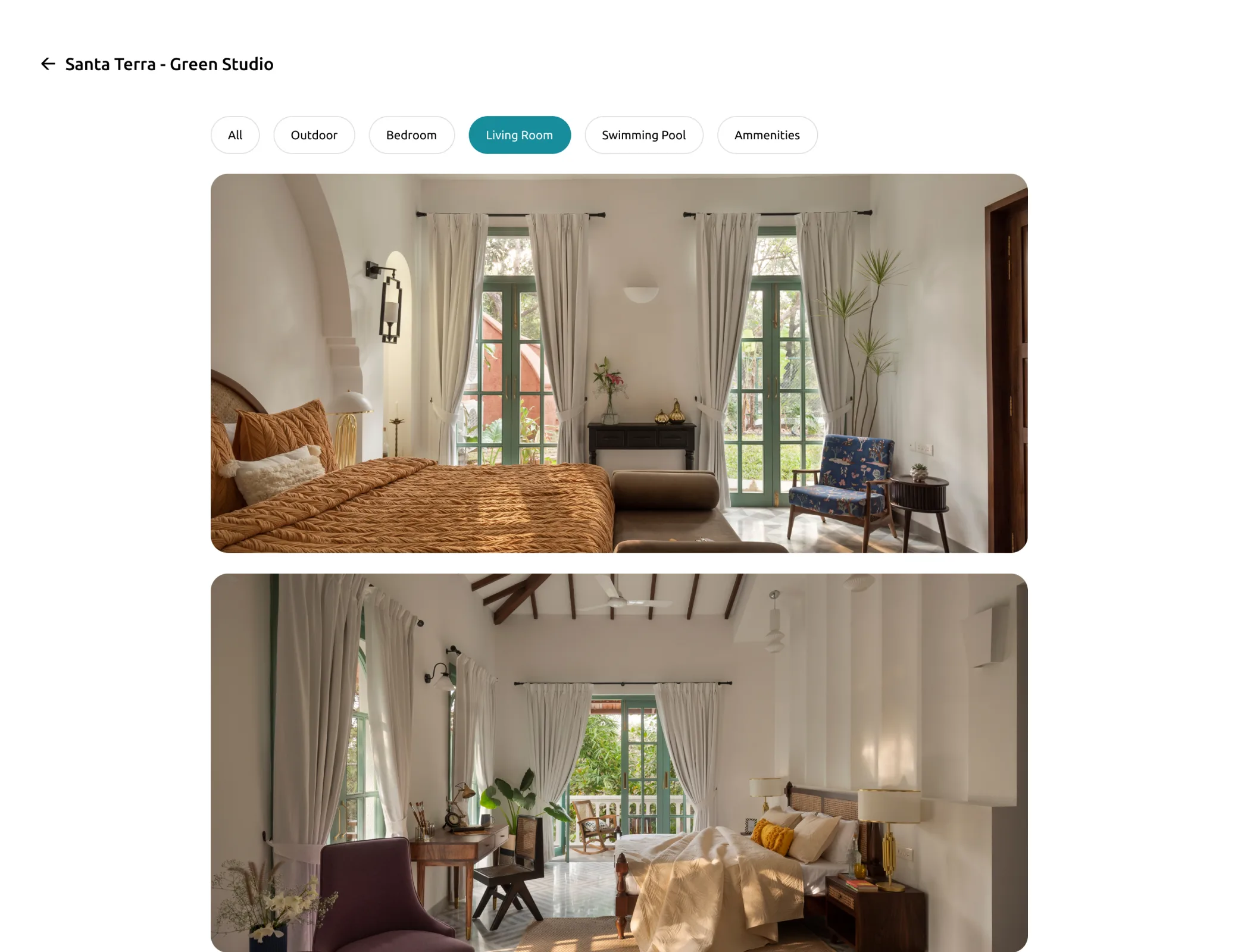
Search, filtering and the visual presentation hospitality customers respond to, with property cards that support shortlisting without overwhelming detail at the listing level.
Booking, payments and agent tools
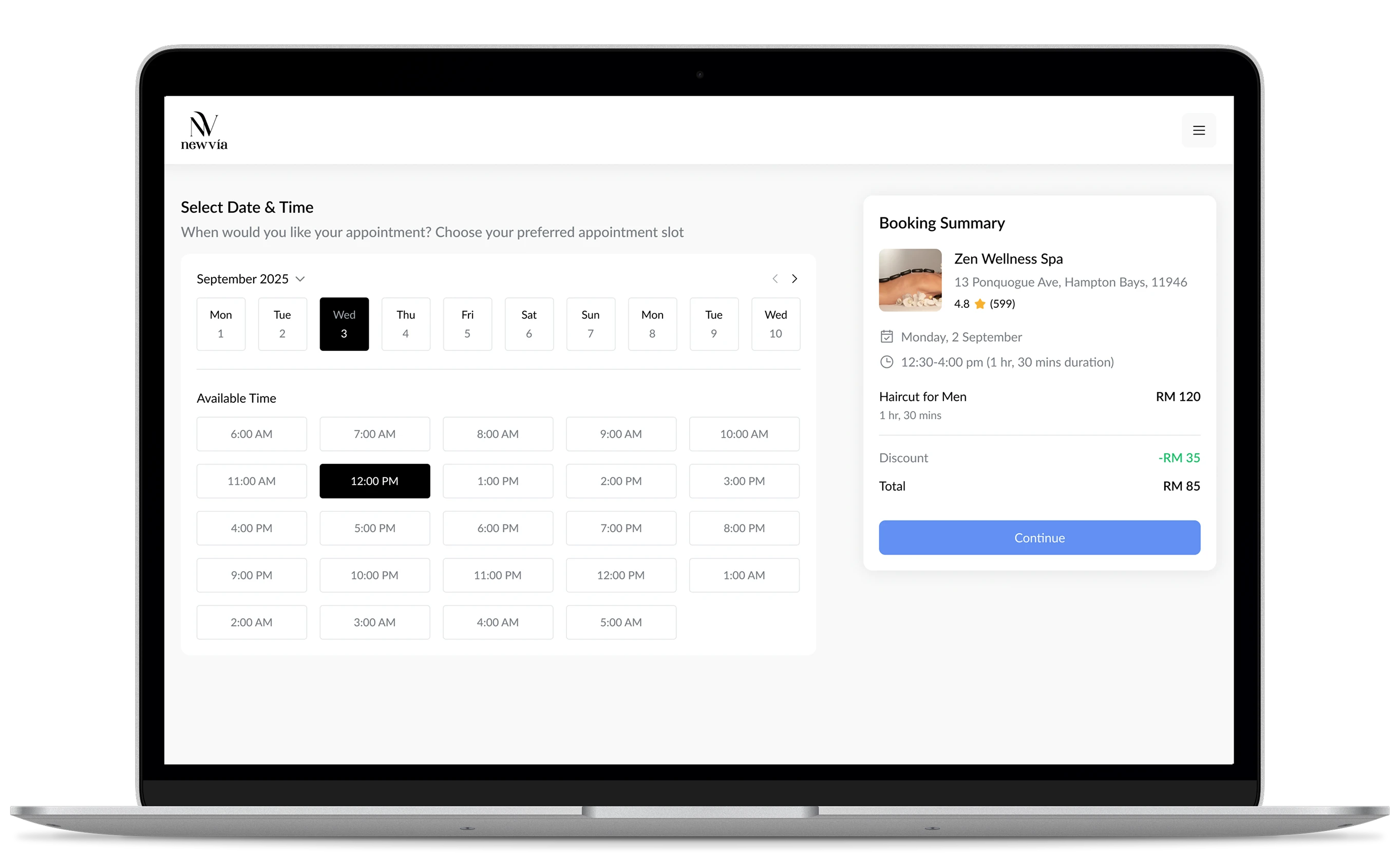
A tightened booking and payment flow that removes prior drop-off points, with coupon application and an agent quotation engine integrated alongside the direct booking path.
Guest profile as a relationship surface
Booking history (past and upcoming), cancellations, loyalty points, targeted exclusive deals and a wishlist — the asset that turns one-time bookings into repeat guests.
Collaborative API architecture
Clean contracts that fit how guests actually move through the platform and a data model that supports the profile, booking workflow and quotation engine without awkward retrofits.
Tech stack





Outcomes & impact
Modern
Booking experience across desktop and mobile
Tightened
Conversion path against prior drop-off points
Loyalty
Wishlist, deals and booking history in the profile
Trusted and verified by our clients


 ISO/IEC 27001:2022
 ISO 9001:2015
 GDPR compliant
Frequently Asked Questions
Let's Build Your Team
Tell us about your brand, the guest experience you want to deliver and where you want the platform to be in twelve months. We reply within one business day with next steps.
Prefer to book directly?
🗓️ Schedule on Calendly →Or email us:
✉️sales@unicoconnect.com