









The AI-Native Difference
Most AI projects stall between demo and production. We've built a delivery model that gets AI solutions into production fast, with the guardrails and monitoring that enterprise environments demand.
Traditional AI Development
Months of research before any working prototype
Data science teams spend weeks on exploratory analysis and model selection before stakeholders see anything tangible.
Models trained on generic data
Off-the-shelf models perform well on benchmarks but fail when applied to your specific business data and edge cases.
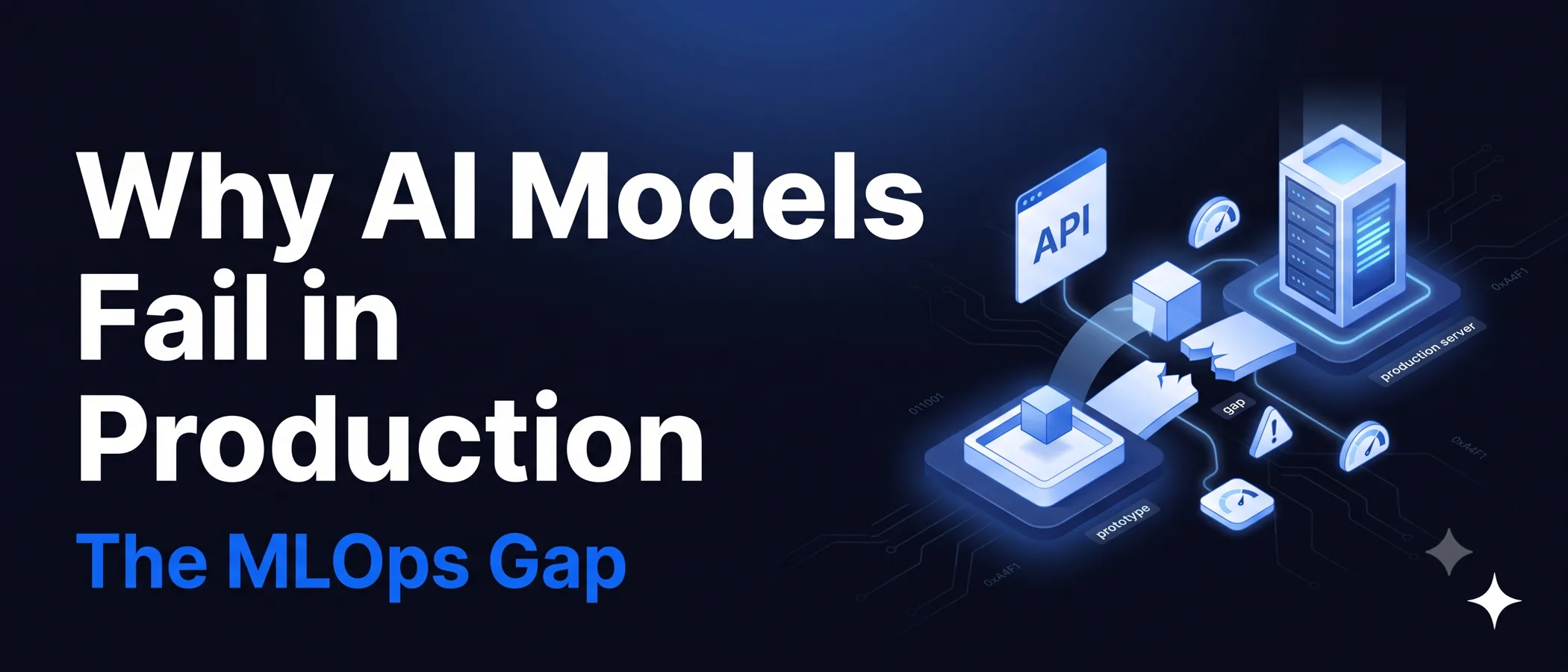
Works in notebooks but fails in production
Models that demo well in Jupyter notebooks break when exposed to real-world data volumes, latency requirements, and system integrations.
No guardrails or human-in-the-loop controls
AI systems make decisions autonomously with no fallback paths, error handling, or escalation to human operators when confidence is low.
Expensive retraining when requirements change
Monolithic model architectures require full retraining when business rules change, costing weeks of engineering time.
AI-Native Development (How We Build)
Working prototype in weeks using pre-trained models
We leverage foundation models (GPT, Claude, Gemini) and fine-tune them on your data, delivering a testable POC in 2-4 weeks.
Fine-tuned on your business data and context
RAG pipelines and custom fine-tuning ensure AI responses are grounded in your specific domain knowledge and business rules.
Production-grade from day one with monitoring
Every deployment includes latency tracking, accuracy monitoring, cost dashboards, and automated alerts when performance degrades.
Built-in guardrails, fallbacks, and escalation paths
Content filters, confidence thresholds, and human-in-the-loop checkpoints ensure AI never makes critical decisions unchecked.
Modular architecture adapts to changing requirements
Swappable model layers, versioned prompts, and API-first design mean you can upgrade components without rebuilding the system.
Development Capabilities

AI Agent Development
Autonomous agents that handle multi-step business workflows. Document processing, order management, compliance checks, and customer interactions with human-in-the-loop oversight.

LLM Integration & Fine-Tuning
Integrate large language models into your existing systems. Custom fine-tuning, RAG pipelines, prompt engineering, and response optimization for your specific use case.

Generative AI Solutions
Content generation, code assistance, document summarization, and creative tools powered by generative AI. Production-ready implementations with quality controls.

Predictive Analytics & ML Models
Machine learning models for demand forecasting, anomaly detection, customer behavior prediction, and risk assessment. Trained on your data, deployed in your infrastructure.

Computer Vision
Image recognition, object detection, document digitization, and visual inspection systems for quality control, inventory management, and automated data extraction.

AI Strategy & Consulting
Identify the highest-impact AI opportunities for your business. We audit your data readiness, map use cases, and create an implementation roadmap with clear ROI targets.
Technology Stack


















Our Work
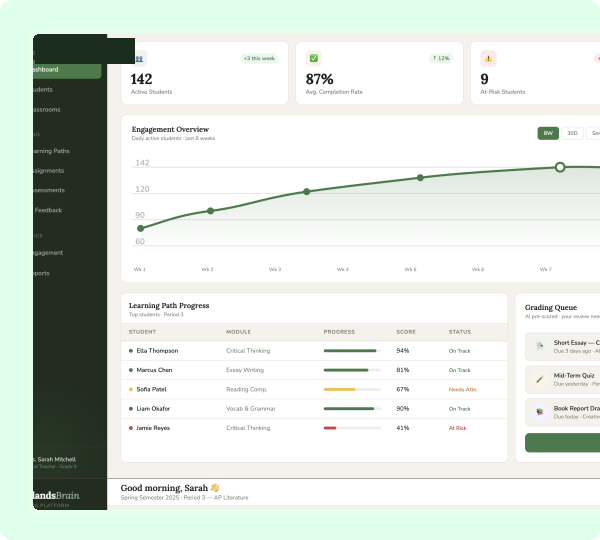
 Education
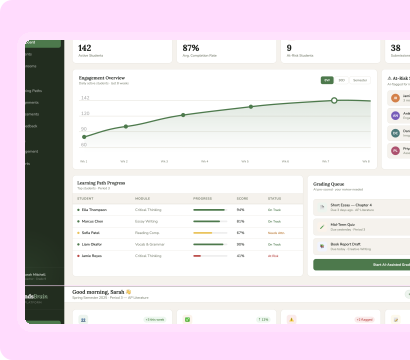
Built an AI-powered digital learning platform for one of California's largest charter schools
97%
Accuracy
50%
Faster Turnaround
90%
AI-Powered Learning
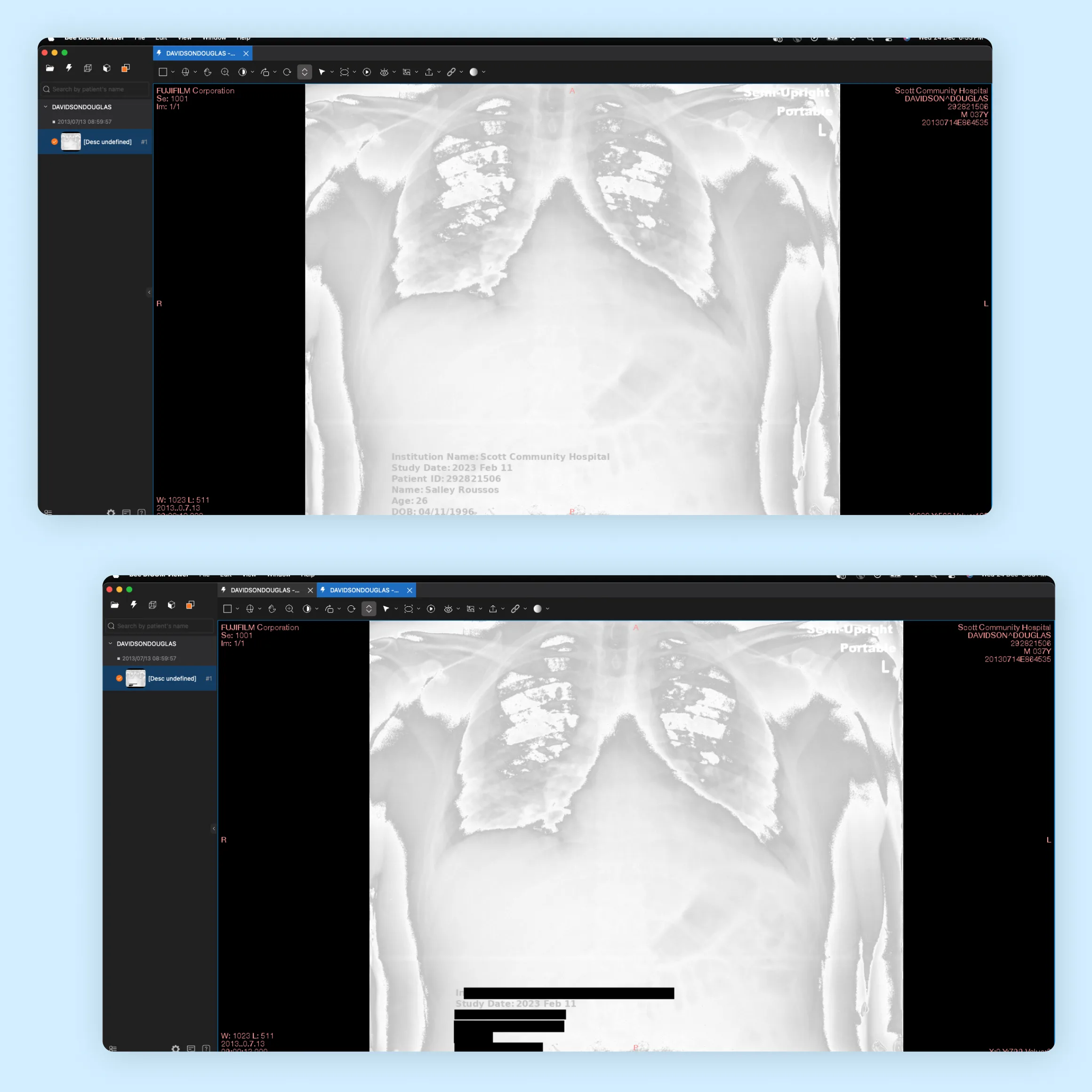
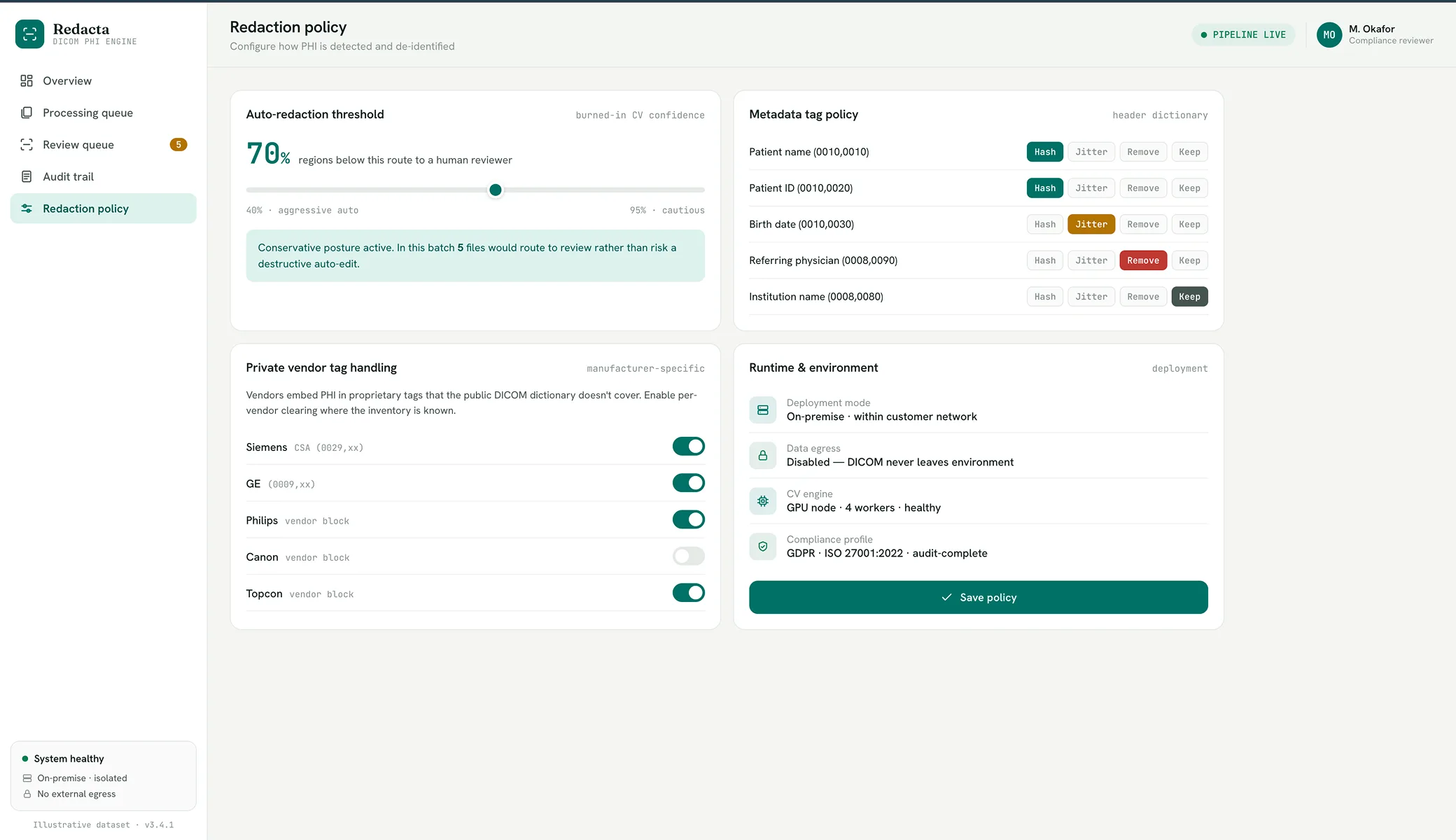
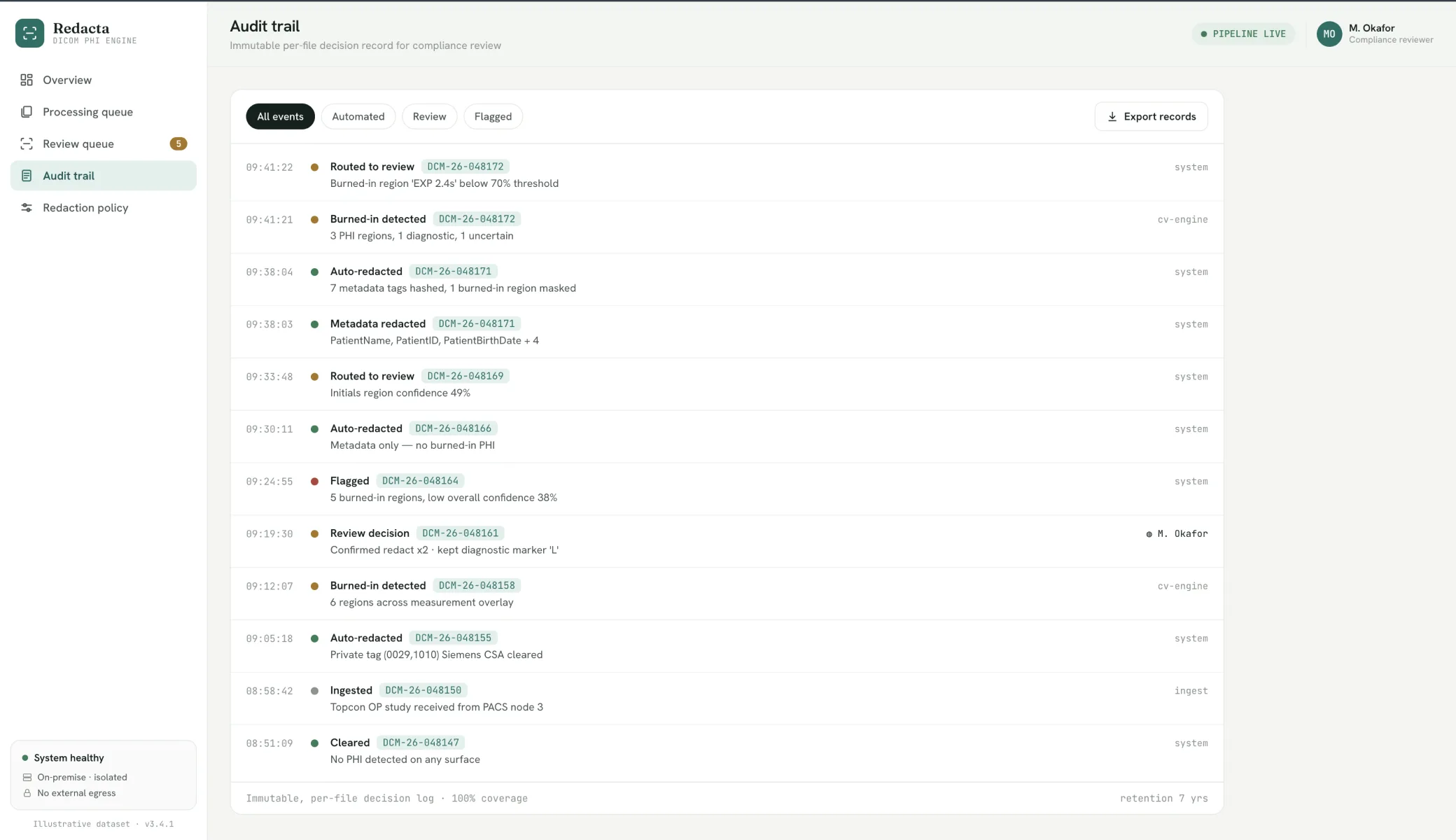
Built an AI platform that redacts PHI from DICOM medical imaging
Preserved
Diagnostic image quality
In-network
Deployment
Per-file
Audit trail

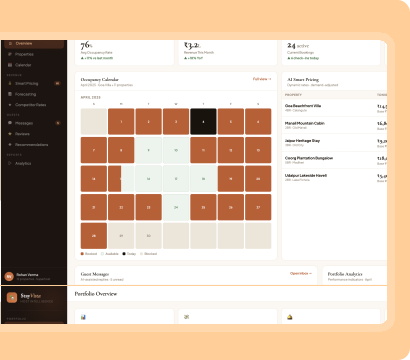
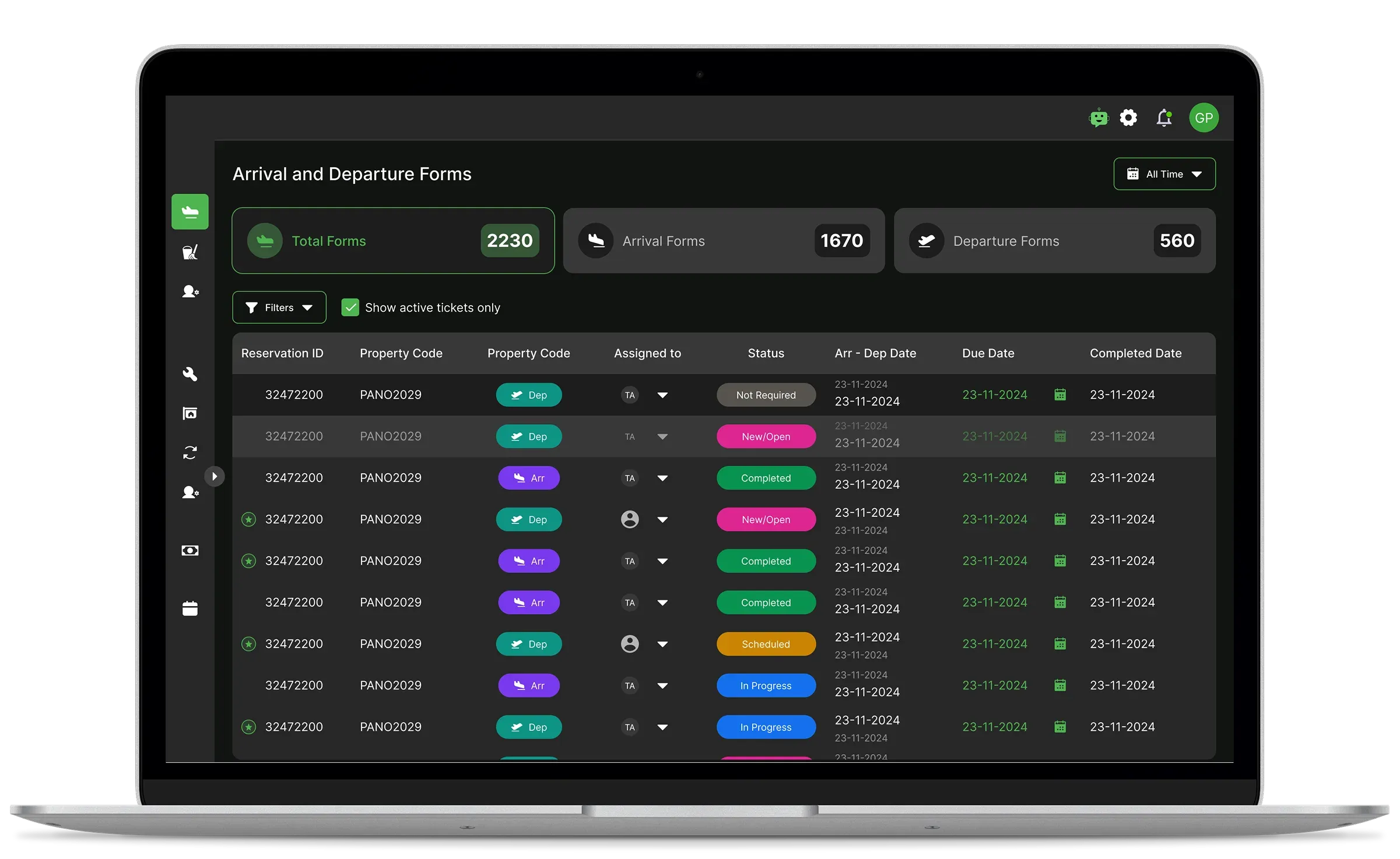
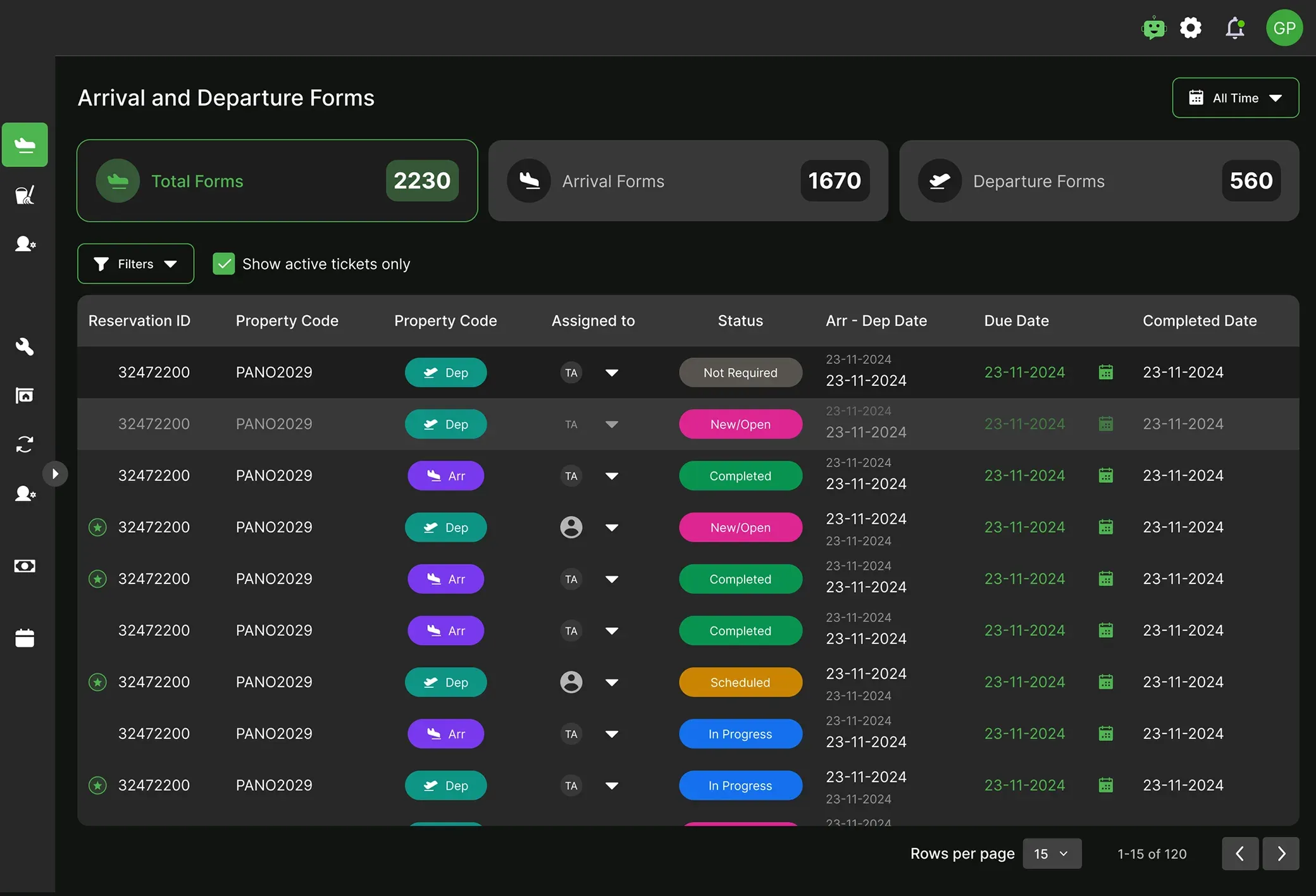
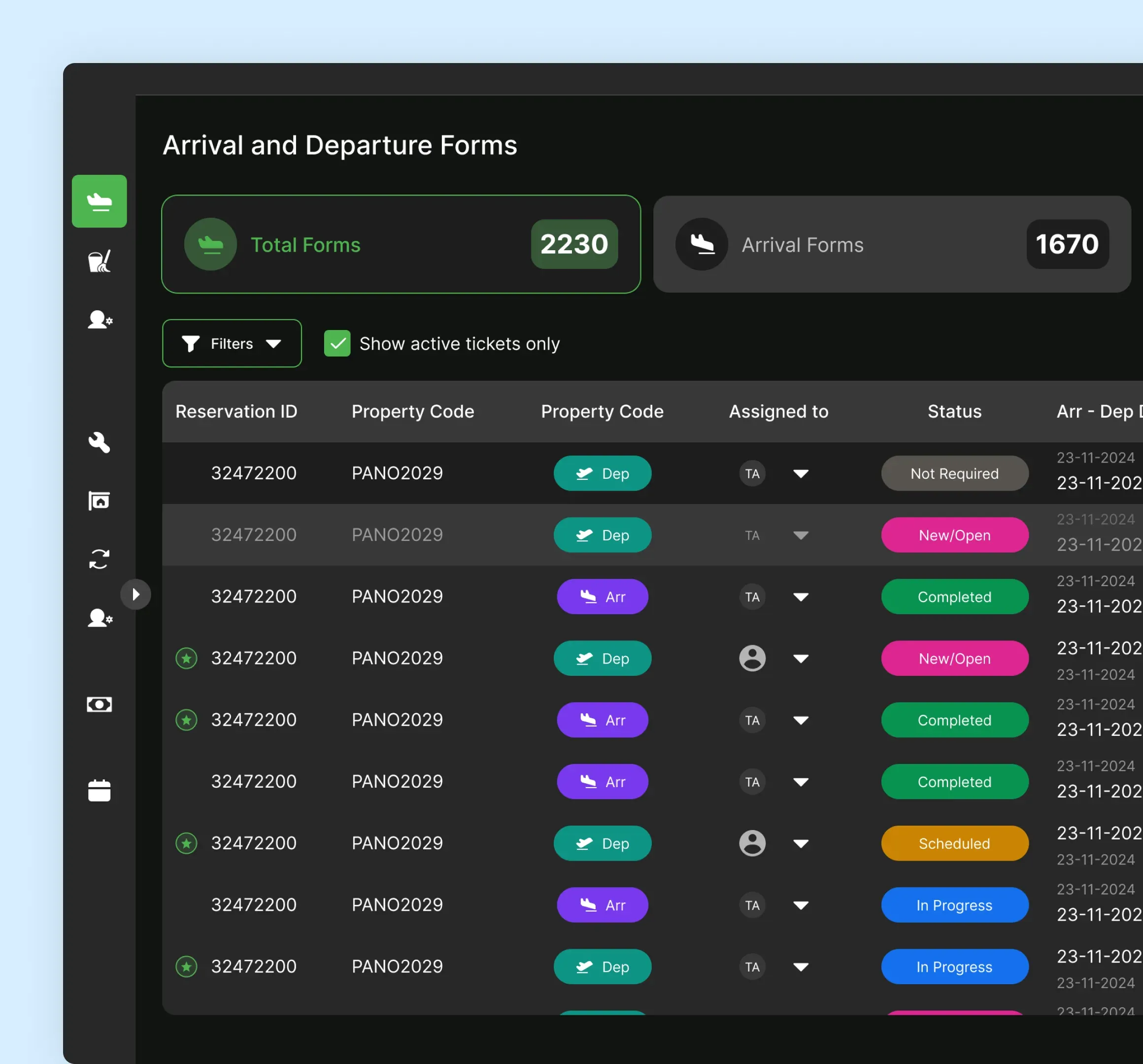
Built an AI property-operations platform with ticket triaging and computer-vision asset tagging
200+
Properties managed
2,000+
Monthly reservations supported
-60%
Operational overhead
 SaaS
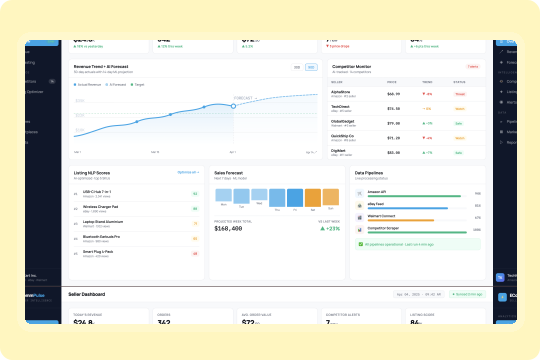
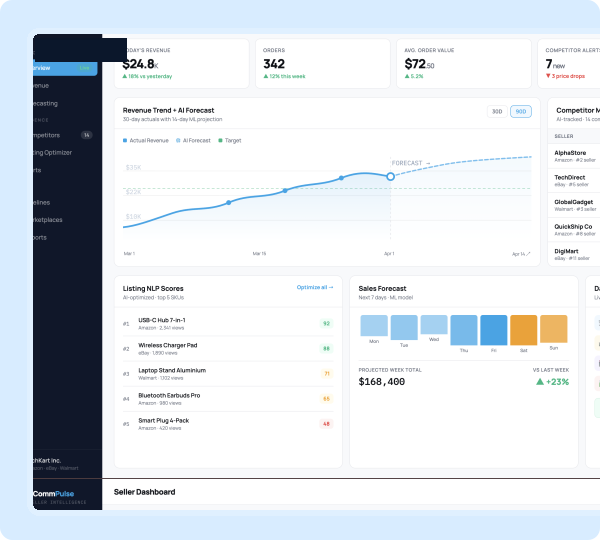
SaaSBuilt AI-powered e-commerce intelligence platform for seller analytics and growth
40%
Faster Insights
25%
Revenue Growth
3x
Data Processing Speed
What does an AI development company do?
An AI development company designs, builds, and runs AI systems for real business workflows. That covers scoping the use case, preparing data, building RAG pipelines, agents, and machine learning models, integrating them with your existing systems, and running them in production with monitoring, guardrails, and evaluation. The output is working software, not a strategy deck.
We have shipped 250+ products for international clients, most of them in the USA, and AI now runs through everything we build. The two fastest growing areas of that work are agentic AI, where autonomous agents handle multi step workflows, and generative AI, where models create content and answers grounded in your own data.
How much does custom AI development cost?
At our published estimate ranges, an AI pilot or MVP costs 15,000 to 50,000 dollars, a production system 50,000 to 150,000 dollars, and enterprise programs 150,000 dollars and up. Plan for running costs of roughly 15 to 25 percent of the build cost per year for tokens, hosting, and monitoring.
Every figure is an estimate range scoped against your workflow, never a fixed bid before discovery. Our blended rate runs 30 to 60 dollars per hour, well below the 150 to 300 dollars per hour US specialists typically bill for comparable scope. The model itself is rarely the cost driver. Data preparation, integrations, and evaluation infrastructure consume most of the budget.
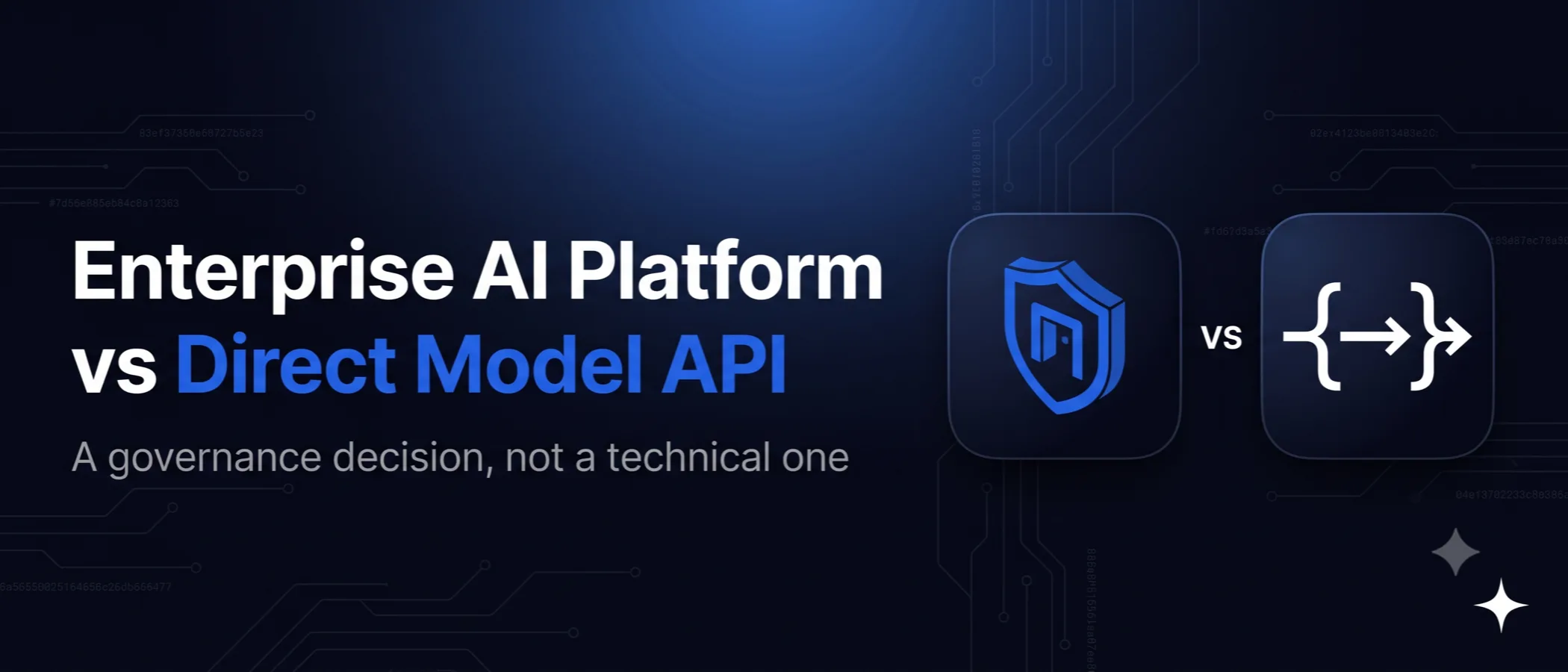
Build custom AI or use an API, which is right?
Use an API when a foundation model already does the task well and your data adds little. Build custom when responses must be grounded in your own data, when workflows span multiple systems, or when accuracy, cost, and latency need control an off the shelf API cannot give. Most production systems combine both.
In practice we start from foundation models such as GPT, Claude, and Gemini, then add the custom layer that makes them yours. RAG pipelines ground answers in your documents, fine tuning teaches the model your domain language, and agent orchestration connects it to the tools it must operate. Training a model from scratch is almost never the right first move.
How long does an AI project take?
A proof of concept takes 2 to 4 weeks and a production deployment typically takes 2 to 4 months, depending on data readiness, model complexity, and integration surface. The biggest timeline variable is rarely the model. Preparing data and wiring the system into your existing tools is where most of the calendar goes.
We keep timelines short by proving the use case first. A small pilot against real data tells you whether accuracy holds before the bigger investment, and every deployment ships with the monitoring, guardrails, and evaluation harness that production AI needs from day one.
What makes an AI native team different?
An AI native team uses AI in how it builds, not just in what it builds. Our engineering leads estimate that roughly 80 percent of our production code is AI generated. Senior engineers review every merge and spend their time on architecture and evaluation rather than boilerplate.
That matters twice over for AI projects. A team that ships with these tools every day knows exactly where model output fails, which is the judgment your own product needs in its guardrails. Our AI native development page explains the delivery model, and every engagement hands you full ownership of code, prompts, and infrastructure.
What are AI solutions for business, and which ones pay off first?
AI solutions for business are working systems that apply models to a specific business problem, namely customer support assistants grounded in your knowledge, document processing that turns files into structured data, sales and operations copilots, demand forecasting, and agentic workflows that carry a task end to end. The label covers products you buy and systems you build. The buy option fits standard workflows, and the build option fits anything specific to how your company works.
Unico Connect builds custom AI solutions for businesses from first scoping through production, and the payoff order we see across 250+ shipped products is consistent. Document heavy back office work pays off first, customer support and internal knowledge assistants next, then forecasting and agentic workflows once the data foundation exists. Our AI automation service covers the workflow side, our agentic AI service covers autonomous systems, and our AI statistics guide carries the current adoption numbers buyers ask about.
For a comparison of strong candidates across scenarios, see our guide to the top AI development companies.

Ready to Add AI to Your Product? Let's Start With a Proof of Concept.
Talk to an ExpertPRICING
Transparent pricing, published
$15,000 to $50,000
AI pilots and MVPs
$50,000 to $150,000
production AI systems
Published estimate ranges at a blended AI engineering rate of $30 to $60 per hour. Every project is scoped individually before any number becomes a quote.
See the full AI cost guide + calculatorFrequently Asked Questions
We build AI agents, LLM integrations, generative AI tools, predictive analytics models, computer vision systems, and conversational AI. We work across healthcare, fintech, education, e-commerce, and SaaS.

Let's Build The Next Big Thing
Fill in the form or schedule a meeting to map out a path to success.
Prefer to book directly?
🗓️ Schedule on Calendly →Or email us:
✉️sales@unicoconnect.com