











What is MVP development?
MVP development is building the smallest version of a product that real users can use, so you can validate demand before committing to a full build. A good MVP ships fast on production foundations, with a clean data model, real authentication, and secure APIs, so the version that proves the idea can also grow into the product.
An MVP earns its place by putting a real product in front of real users quickly, then proving what to build next. We do two things. We build that first version with production foundations, and we rescue the version you already shipped when it starts to strain. Across 250+ products shipped, most of them in the USA, that first version is where the real learning happens.
When does an MVP need a rescue?
An MVP needs a rescue when the prototype holds in a demo but real users, real data, and real security expose the gaps. Plenty of teams ship a working MVP on a no code tool like Supabase, Lovable, Xano, or WeWeb, or vibe code one with Cursor, Claude Code, Bolt, or Replit, then hit the same wall.
That is the point where we come in. We harden what works, replace what does not, and take it to production. Every engagement starts with an architecture and security audit, so the plan is grounded in your real stack and data rather than a template. From there we work in priority order, fixing what puts the product at risk first, then scaling what holds. You end up with a maintainable codebase you own, whether we build it from scratch or take over what someone else started.
How much does an MVP cost?
At our published estimate ranges, an MVP costs 15,000 to 50,000 dollars, and a growth build that takes a validated product to scale runs 50,000 to 150,000 dollars, at a blended rate of 25 to 50 dollars per hour. 15,000 dollars covers a single platform MVP with one core flow. Payments, integrations or a second platform move it toward 30,000 to 50,000 dollars. Every number is an estimate range scoped against your product, never a fixed bid before discovery.
That rate sits well below the 150 to 300 dollars per hour US specialists typically bill for comparable scope, which is why many US founders build the first version with us and keep the same team for the scale up. Enterprise programs that grow out of a successful MVP run 150,000 dollars and up, on the same estimate first model as our custom software development work.
For a comparison of strong candidates across scenarios, see our guide to the best MVP development companies.
How long does an MVP take?
A typical MVP ships in 2 to 3 months end to end, on web or mobile. We build with AI assisted development and proven foundations rather than starting from scratch, so sprints run about 30 percent faster and the exact timeline is agreed against scope up front.
Roughly 80 percent of our production code is AI generated and engineer reviewed, verified by our internal team, which is what makes those timelines possible without giving up review discipline. Our AI native development page explains how that delivery model works. Speed never comes from skipping foundations. It comes from senior engineers spending their time on architecture and review rather than boilerplate.
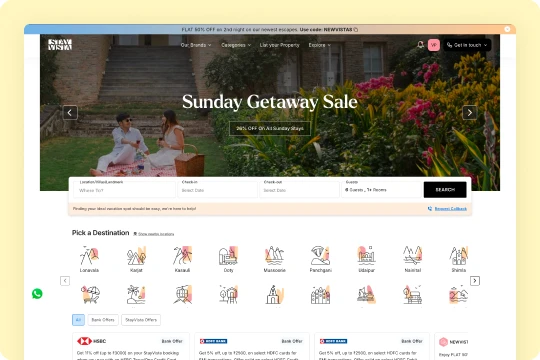
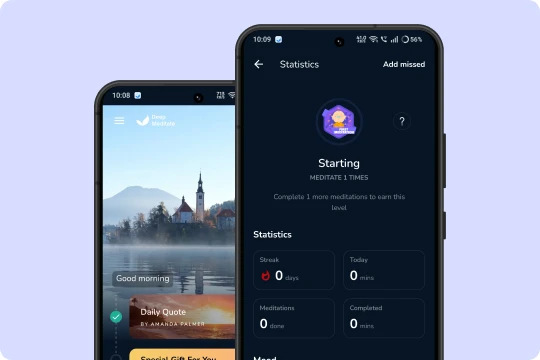
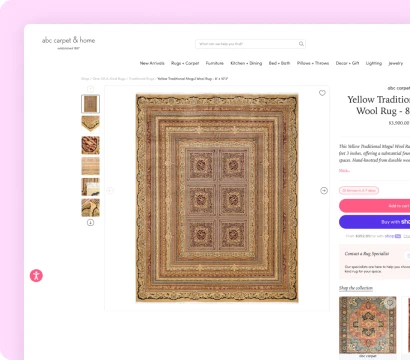
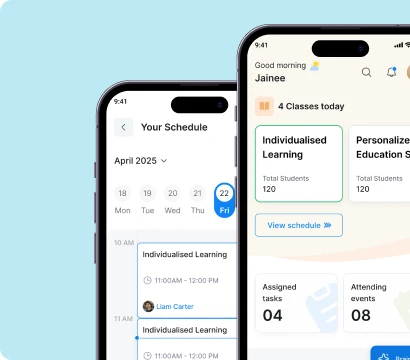
Hit a Wall on the MVP You Built?
The first version got you users and proof. Now it is straining. These are the walls teams hit after shipping a no code or vibe coded MVP, on platforms like Supabase, Lovable, Xano, and WeWeb or with AI tools like Cursor, Claude Code, and Bolt.

Scaling. Slow queries and timeouts. The database and logic that worked for a demo buckle under real concurrent users and growing data.

Security. Open data and missing access control. AI builders and quick prototypes often ship without row level security or proper auth.

Platform limits. The no code tool becomes the ceiling. You need logic, performance, or control it cannot give you.

Ownership. No clear ownership of the code. You cannot hire around it, audit it, or move it, and the original builder is gone.
How does a vibe coded prototype reach production?
We take the prototype you already have and make it real. We audit security and data access first, then rebuild the parts that will not scale, add tests and error handling, wire up CI and monitoring, and hand you documented code you own. The path is the same whether you vibe coded it or built it on no code.
Vibe coding means describing what you want to an AI tool and shipping what it generates. Cursor, Claude Code, GitHub Copilot, Bolt, and Replit make it fast to get a working prototype, and founders lean on them heavily. In the Y Combinator Winter 2025 batch, a quarter of startups shipped codebases that were about 95% AI generated, according to YC managing partner Jared Friedman.
A demo and a product are different problems. A 2025 Veracode study of AI generated code found that 45% of samples failed security tests and introduced OWASP Top 10 flaws, with no improvement from newer or larger models. A separate scan of more than 5,600 vibe coded apps by Escape.tech found over 2,000 vulnerabilities and more than 400 exposed secrets, most of them from keys left in the frontend, missing access control, and Supabase row level security that was never turned on. The Stack Overflow 2025 survey adds that 66% of developers name AI output that is almost right but not quite as their top frustration.
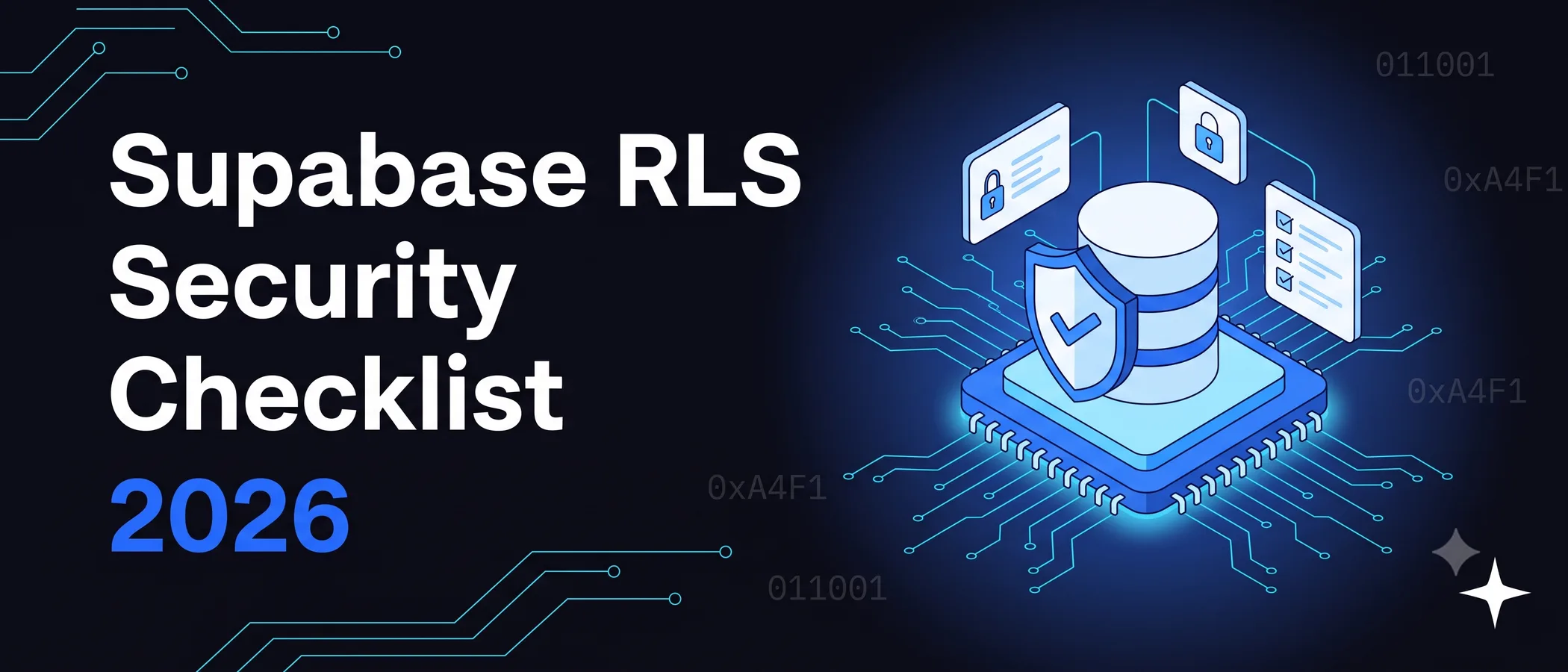
Our guide to vibe coding risk in startups covers the patterns that keep AI assisted code maintainable, and if you built on Supabase, our Supabase RLS security checklist and guide to whether Supabase is production ready are the exact checks we start from.
What your AI built app is usually missing. The checklist we run on every rescue audit, and the gap between a demo and a product.
- Concurrent writes. Two users acting at once corrupt state unless transactions and locking are designed in.
- Real authentication and role based access. Working login is not access control. Who can read and change which records must be enforced server side.
- Input validation and rate limiting. Untrusted input and unthrottled endpoints are the two doors attackers try first.
- Secrets management. API keys belong in server side configuration, not in frontend code where scanners find them.
- Backups and data persistence. A restore that has actually been tested, not just a database that exists.
- Error handling, logging, and monitoring. Production fails quietly without them, and you find out from customers.
- CI, tests, and a staging environment. The difference between shipping changes and gambling them.
How a vibe coded prototype compares to a production ready build
| What we check | Vibe coded prototype | Production ready with Unico |
|---|---|---|
| Authentication | Often missing or left at defaults | Roles, permissions, and hardened auth |
| Data security | Keys in the frontend, row level security off | Secrets secured, row level security enforced |
| Architecture | Built prompt by prompt, heavy duplication | Coherent architecture, refactored and documented |
| Dependencies | Unpinned, sometimes hallucinated packages | Audited and pinned, supply chain checked |
| Tests | None, so every change is a gamble | Unit, integration, and end to end coverage |
| Error handling | Happy path only | Retries, timeouts, and graceful failure |
| Scale | Breaks under real load | Indexing, caching, and load tested |
| Monitoring | You hear about outages from users | Logging, metrics, and alerts |
A hardening pass covers each of these. We fix the ones that put your data and uptime at risk first.
What We Do

Build a Production MVP
A first version with a clean data model, secure APIs, and real authentication, built fast with AI assisted development so it is ready to grow, not just demo.
Scale to Production
Query and schema optimization, indexing, caching, and right sized infrastructure so the product holds up under real load and keeps responding fast.
Rebuild and Re-Architecture
When the foundation cannot support where you are going, we re-architect or rebuild the parts that matter, without losing what already works for your users.
Security Hardening
Row level security, authentication, input validation, and a full audit, so your data is not left exposed the way AI built apps often are at launch.

Code Takeover and Ownership
We adopt a codebase someone else built, document it, fix the urgent risks, and give you a maintainable product that you fully own.

No-Code Migration
When you outgrow Supabase, Lovable, WeWeb, or Bubble, we migrate the data and rebuild the logic on a stack you control, with no hard cutover.
The Platforms and Stack We Build and Rescue On














Patch It Yourself, or Harden It for Production
A quick fix buys a few weeks. Production hardening fixes the root cause, so the product stops breaking every time you grow.
A Quick Patch
Symptom by symptom
Each slow page or error gets patched on its own, so the same class of problem keeps coming back under load.
Security left for later
Access control and data rules stay on the backlog, which is exactly where breaches come from as the user base grows.
Guesswork on the rebuild
No clear read on whether to refactor or rebuild, so effort goes into the wrong layer and has to be redone.
Still locked to the tool
The product stays tied to a platform you have outgrown, with no path to the control and scale you need next.
Production Hardening by Unico
Audit before code
We map the stack, data model, and risks first, then fix the highest impact issues in order rather than guessing.
Security closed early
Row level security, auth, and validation are fixed up front, so growth does not turn into exposure.
Refactor or rebuild on evidence
We keep the foundation when it is sound and rebuild only the parts that cannot scale, which is the faster path.
A product you own
You get documented, maintainable code on a stack you control, ready to scale with your team or ours.
Built by a Team With a Production Track Record
250+
Products shipped
Startups, scaleups, and enterprise teams
Worldwide
Client reach
Across the US, Europe, Asia and the Middle East
12+
Years building production software
Web, mobile, and AI systems
3M+
Lines of code shipped
Reviewed and shipped to production

Start with a free architecture and security review, then a clear plan to production.
Get Your Free ReviewProducts We Have Built and Scaled
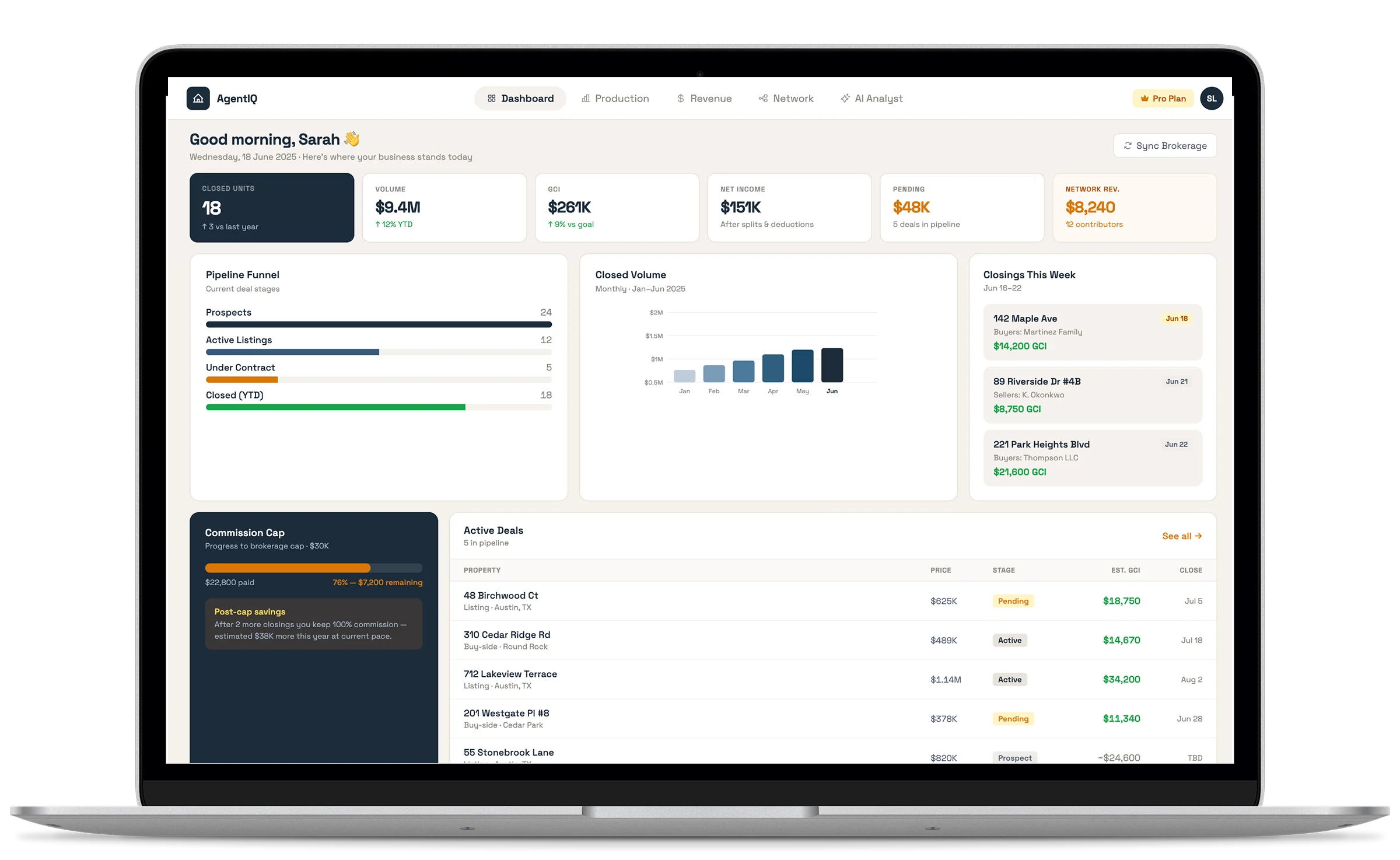
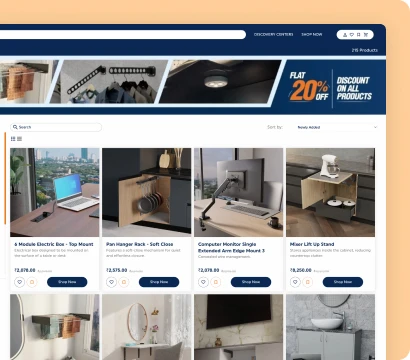
Real Estate Agent SaaS Platform
A tiered business intelligence SaaS for real estate agents, teams and network builders, with a conversational AI analyst grounded in live brokerage data.
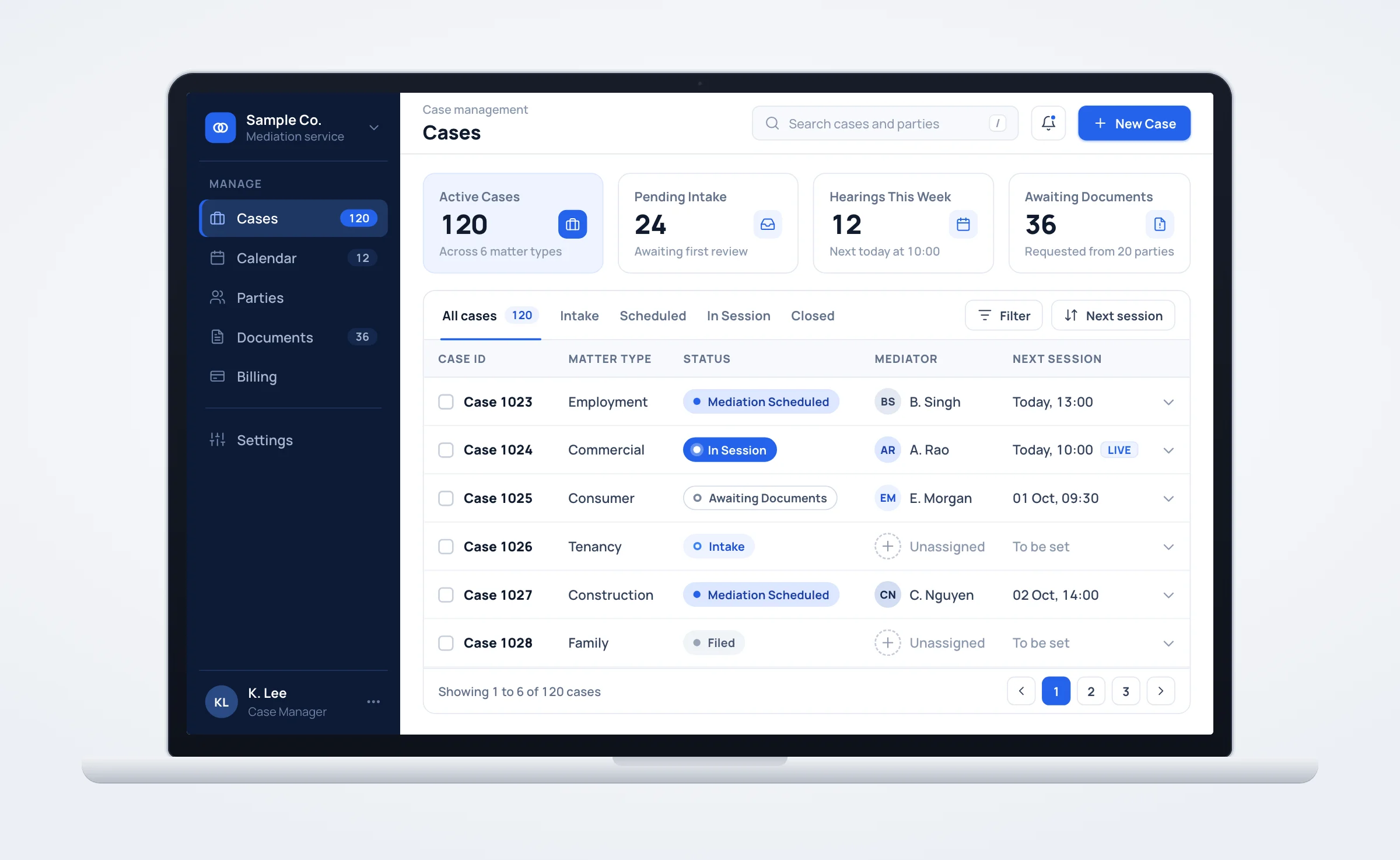
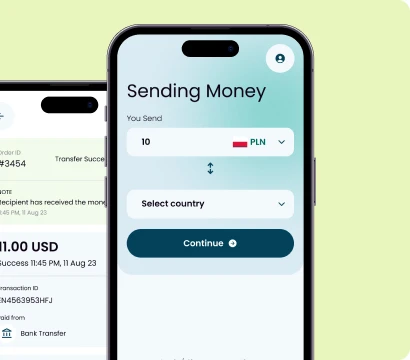
Online Dispute Resolution Platform
A build enhancement for an online dispute resolution platform in Australia, adding new functionality to its Angular front end and Node.js back end, hosted on Microsoft Azure.
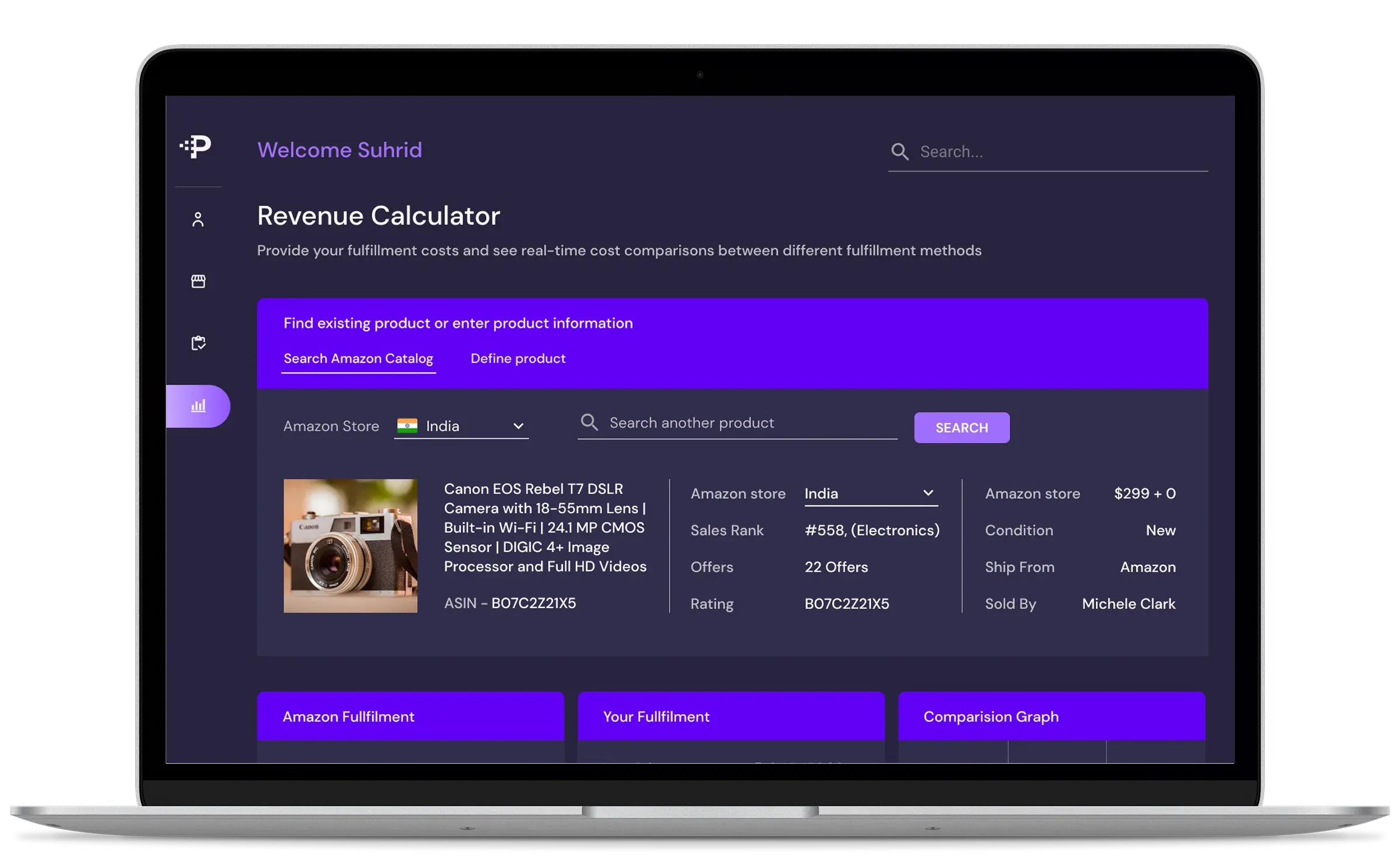
EComm Pulse
Demand forecasting, dynamic pricing and the QueryAI analytics bot for consumer brands selling across marketplaces.
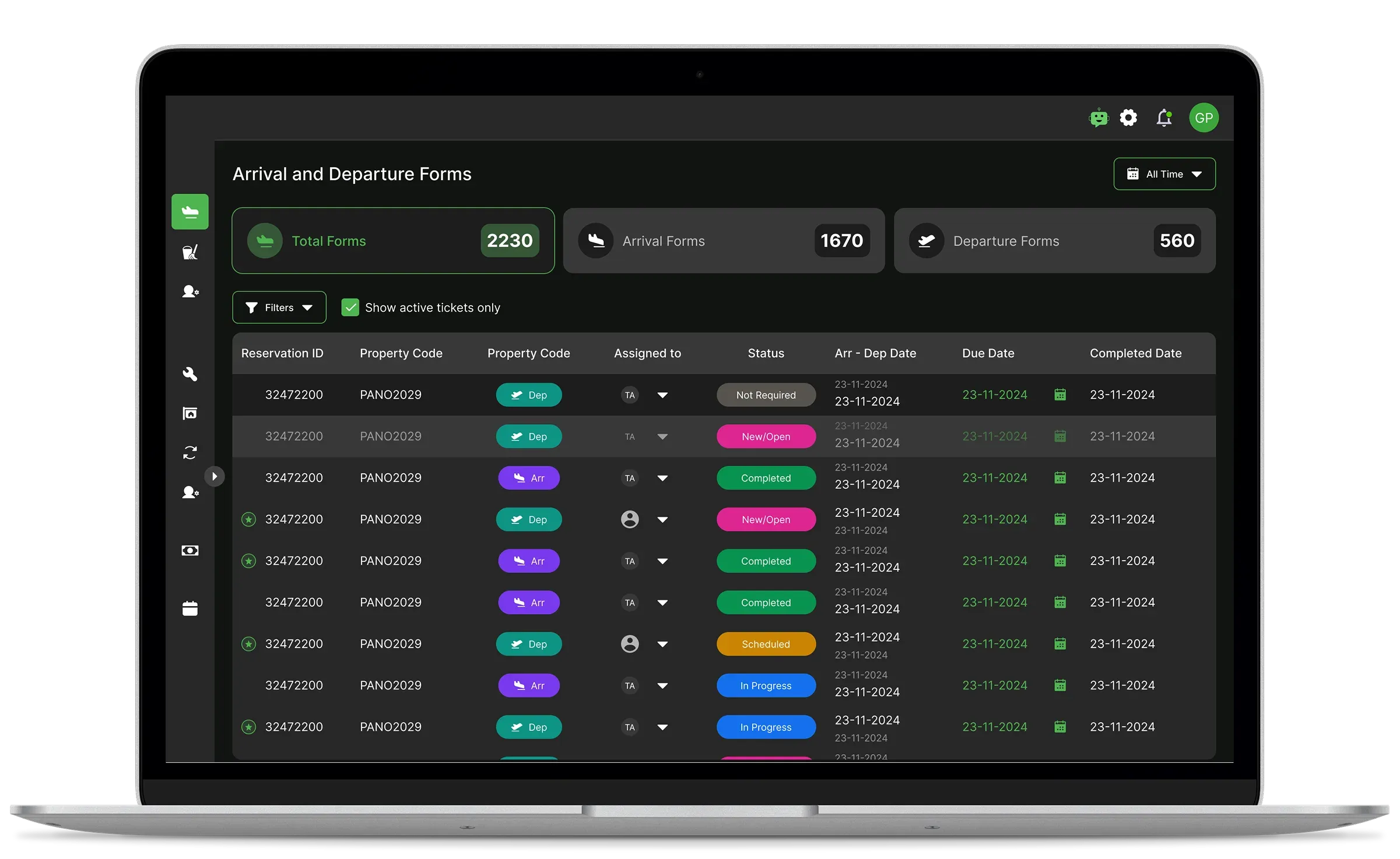
Sergo
An AI property-operations platform with ticket triaging and 92% computer-vision asset tagging across 200+ short-term rentals.
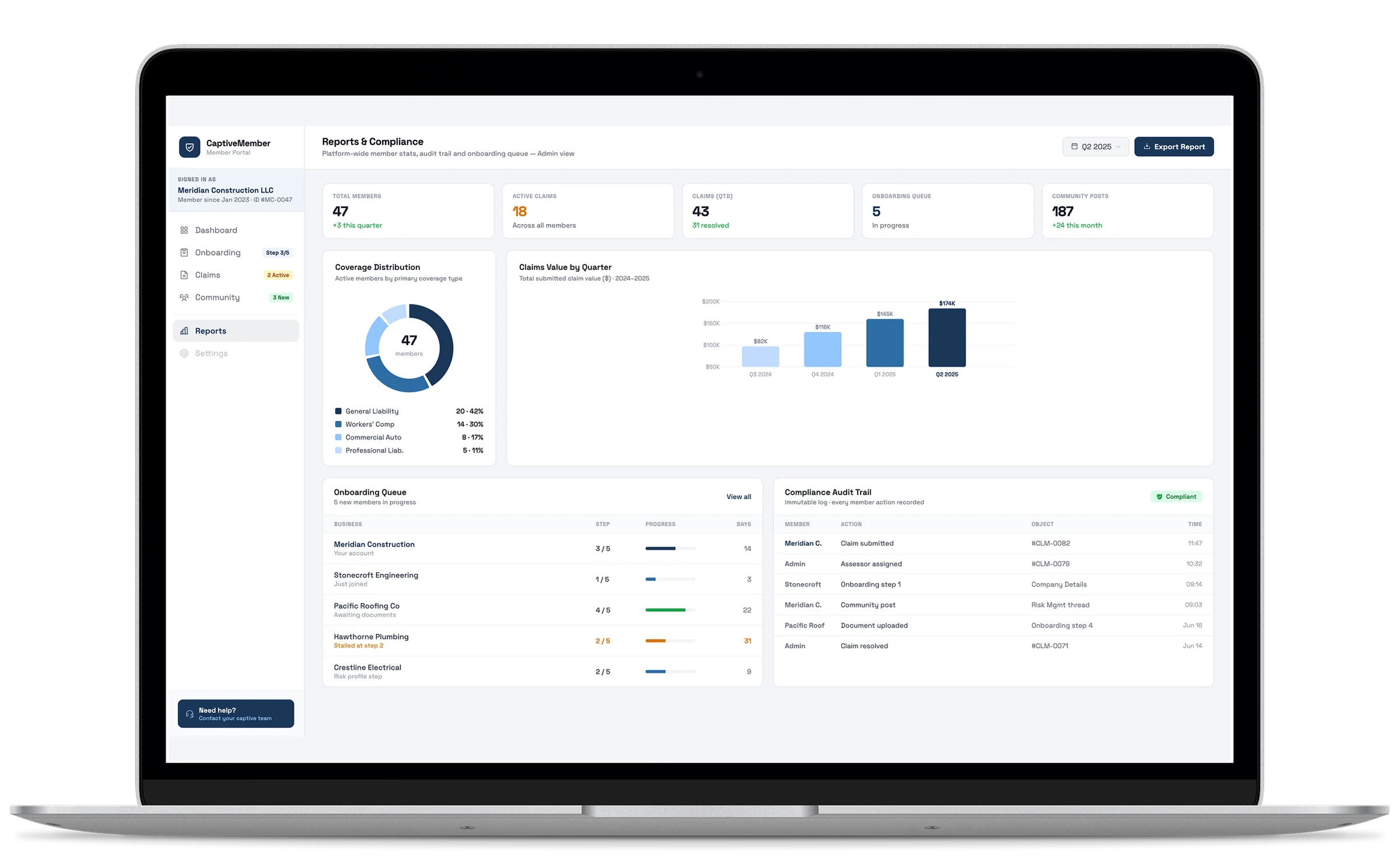
Captive Insurance Member Platform
A member platform for a US captive insurance operator uniting structured onboarding, a real-time claims dashboard and a private member community in one product.
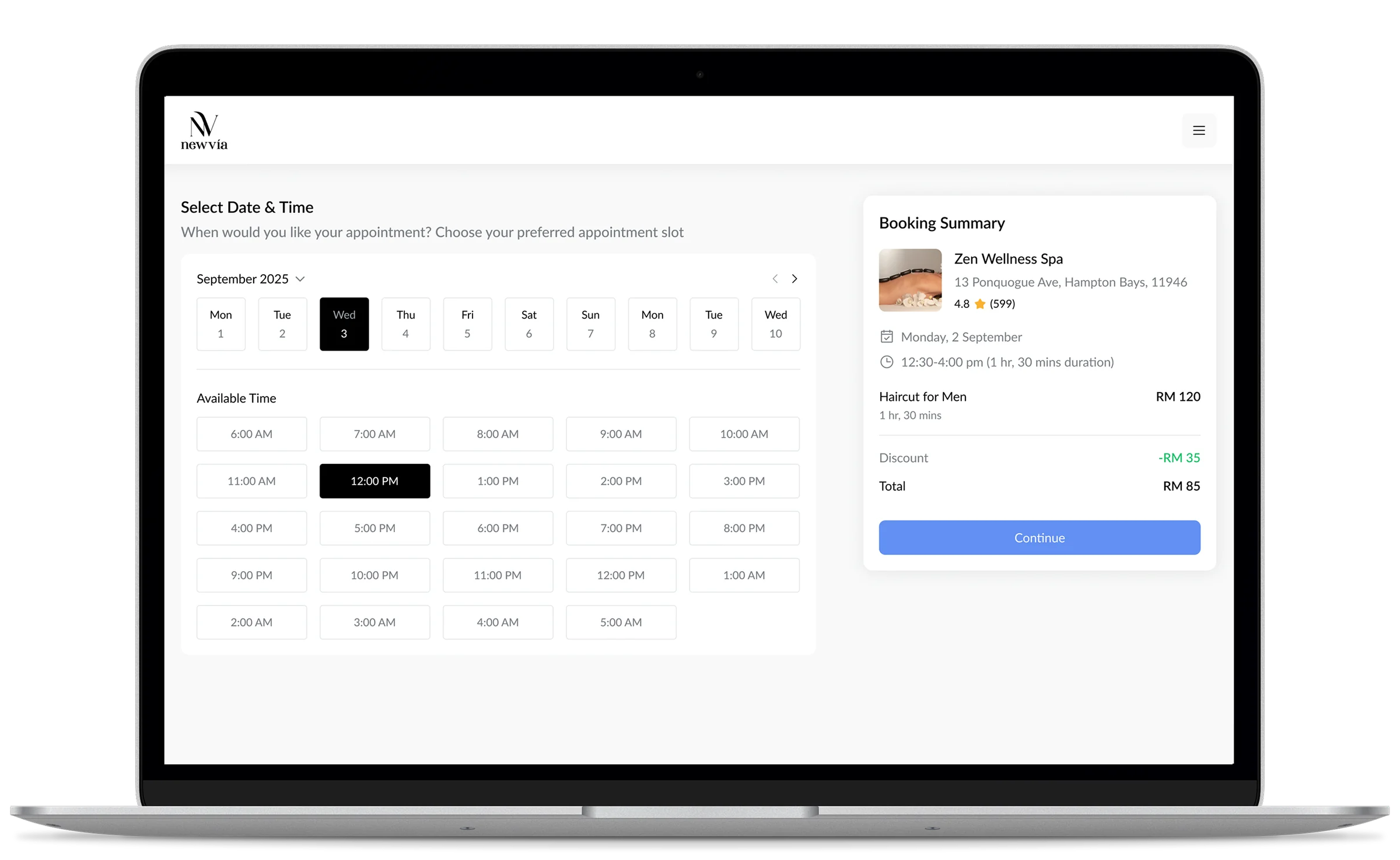
Beauty & Wellness Services Marketplace
A beauty and wellness booking marketplace MVP on Xano and React, serving customers, providers and the platform operator.
Frequently Asked Questions
MVP rescue is taking a product that works as a prototype and making it production ready. We audit the existing build, fix the parts that will not scale, harden security, and re-architect or rebuild where needed, so the product holds up under real users and real data.
Prefer a team to build it end to end?
Beyond dedicated developers, our teams deliver complete products and platforms.
Lovable Development & Rescue
Build Lovable apps with production foundations, or audit, secure, scale, and migrate the one you already shipped.
ExploreNo-Code & Low-Code
Ship fast on Xano, WeWeb, Webflow, FlutterFlow, Bubble, and Supabase.
ExploreXano Development
Enterprise Partner Xano backends with APIs, business logic, integrations, and AI agents, governed for production.
Explore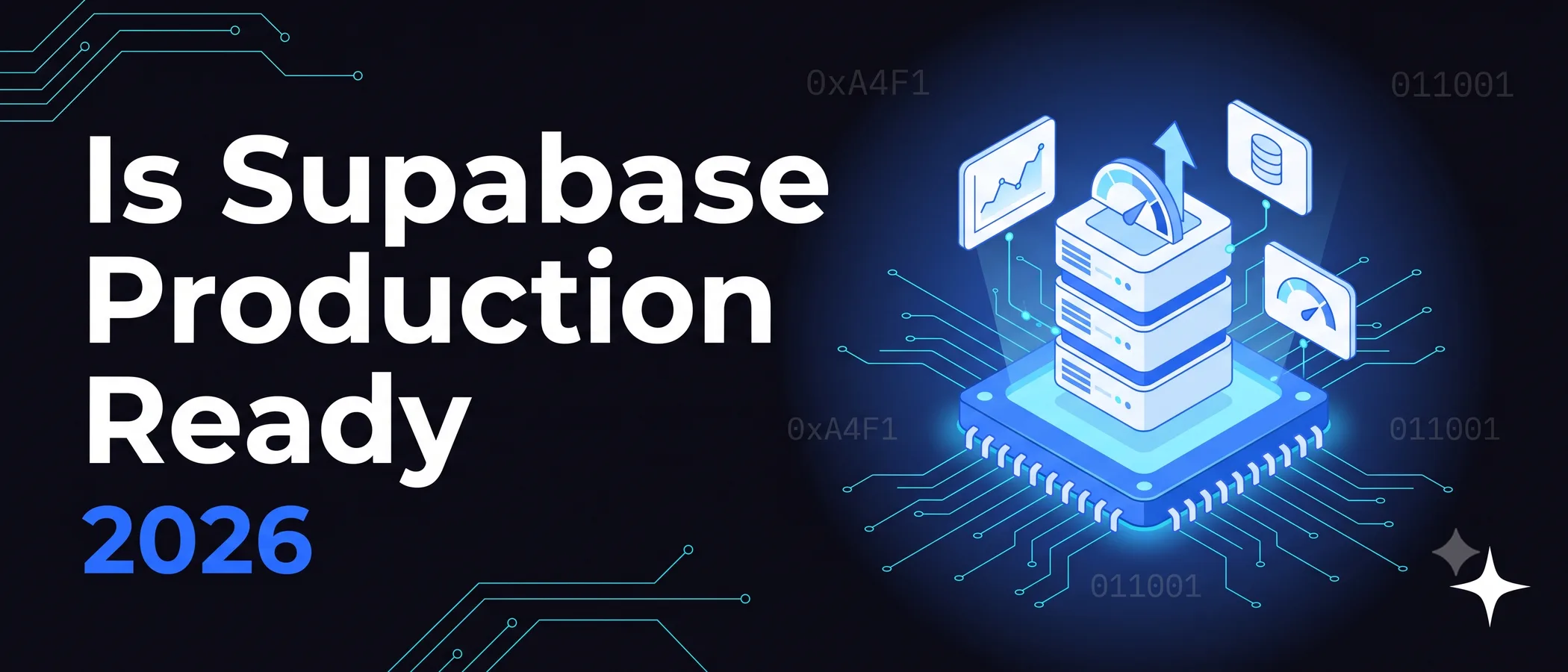

Start Your MVP Build or Rescue
Tell us about your product and where it is stuck. We will get back to you within one business day.
Prefer to book directly?
🗓️ Schedule on Calendly →Or email us
✉️sales@unicoconnect.com