










Built WhatsApp AI agents that handle customer queries, take orders and operate in the channel where business actually happens
A capability case covering the WhatsApp-native AI agents Unico Connect has deployed across client engagements, ranging from customer query handling with knowledge base grounding to B2B ordering agents with platform integration and voice-enabled support agents handling messages and audio.
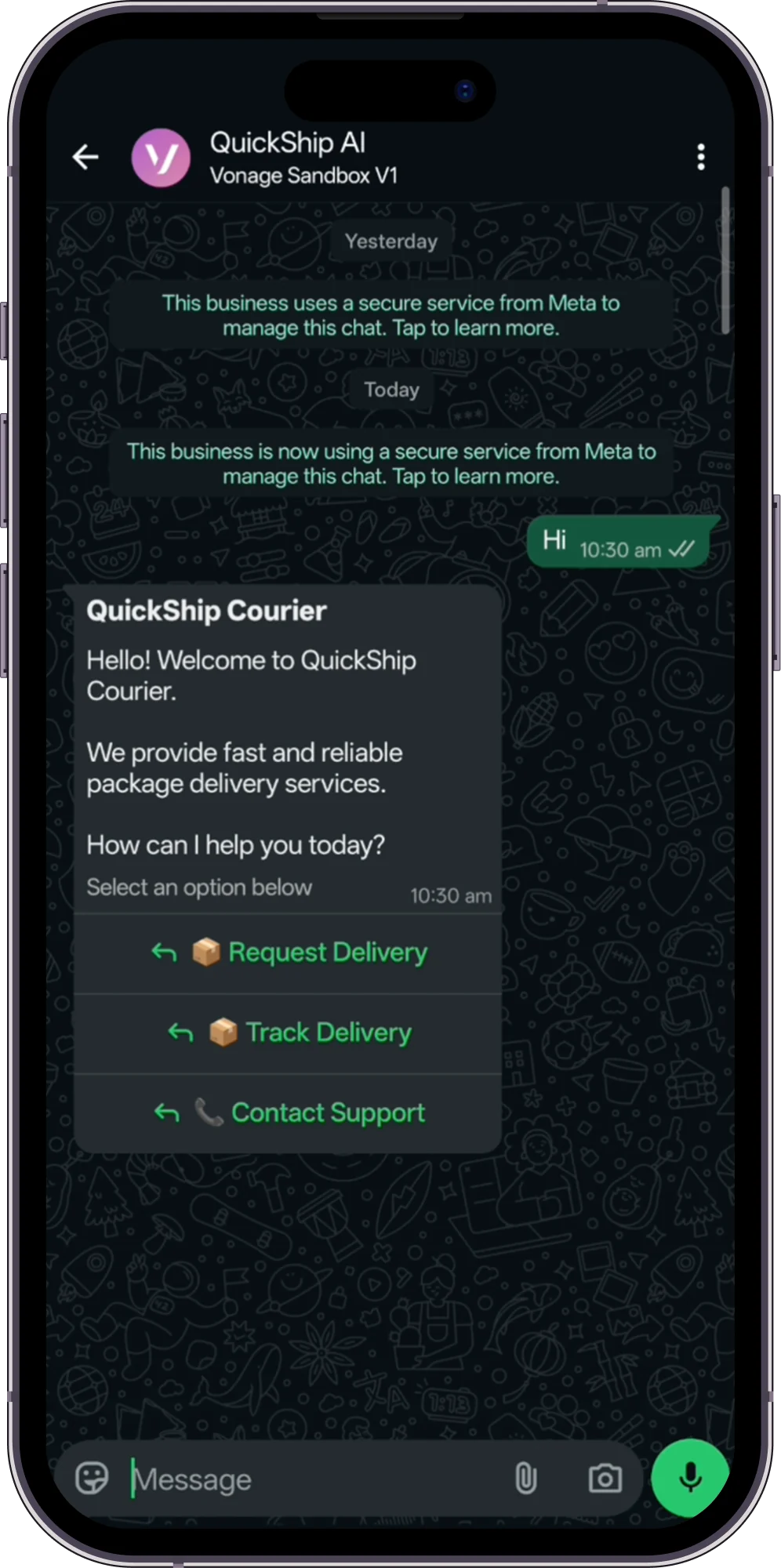
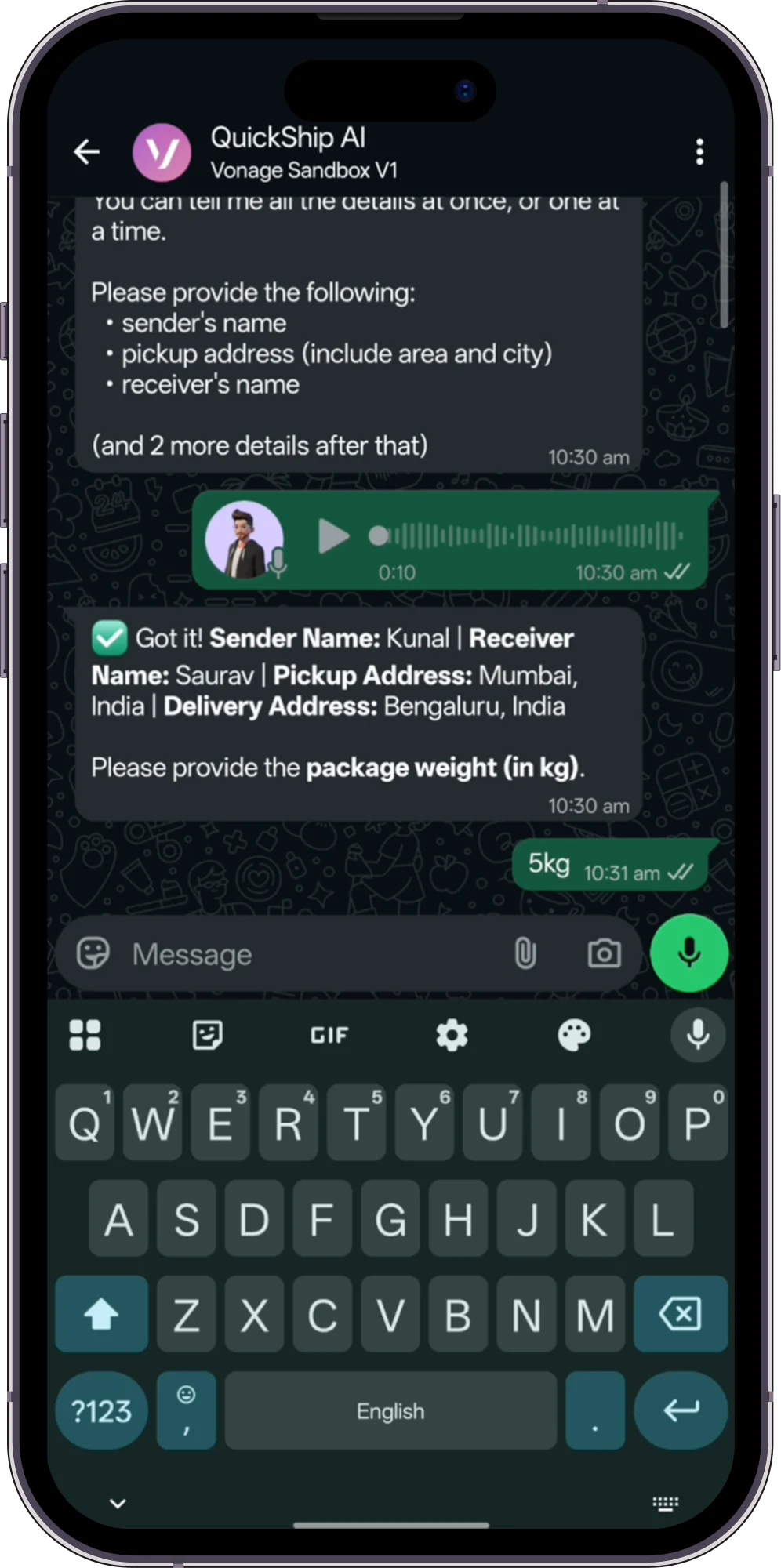
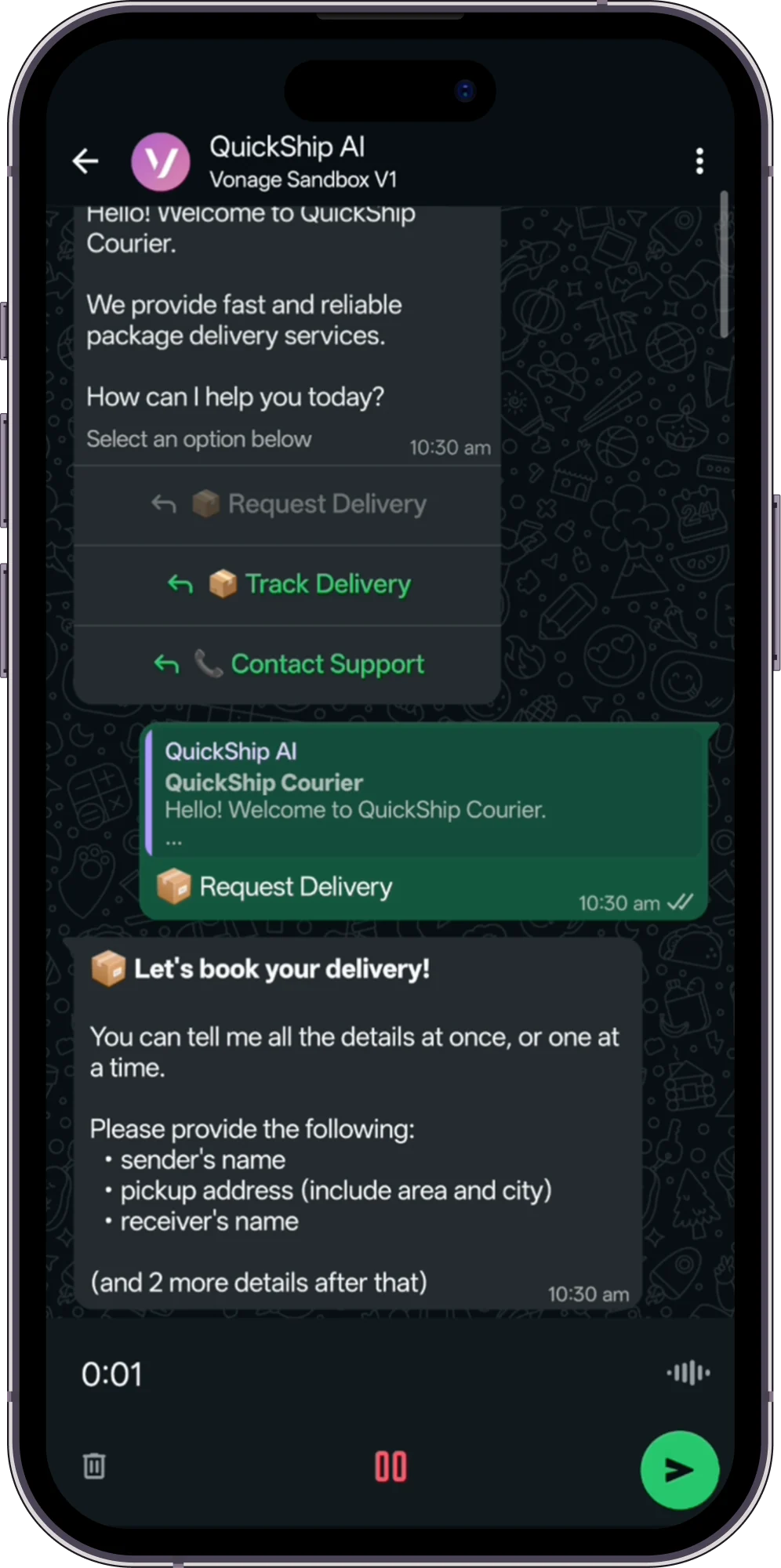
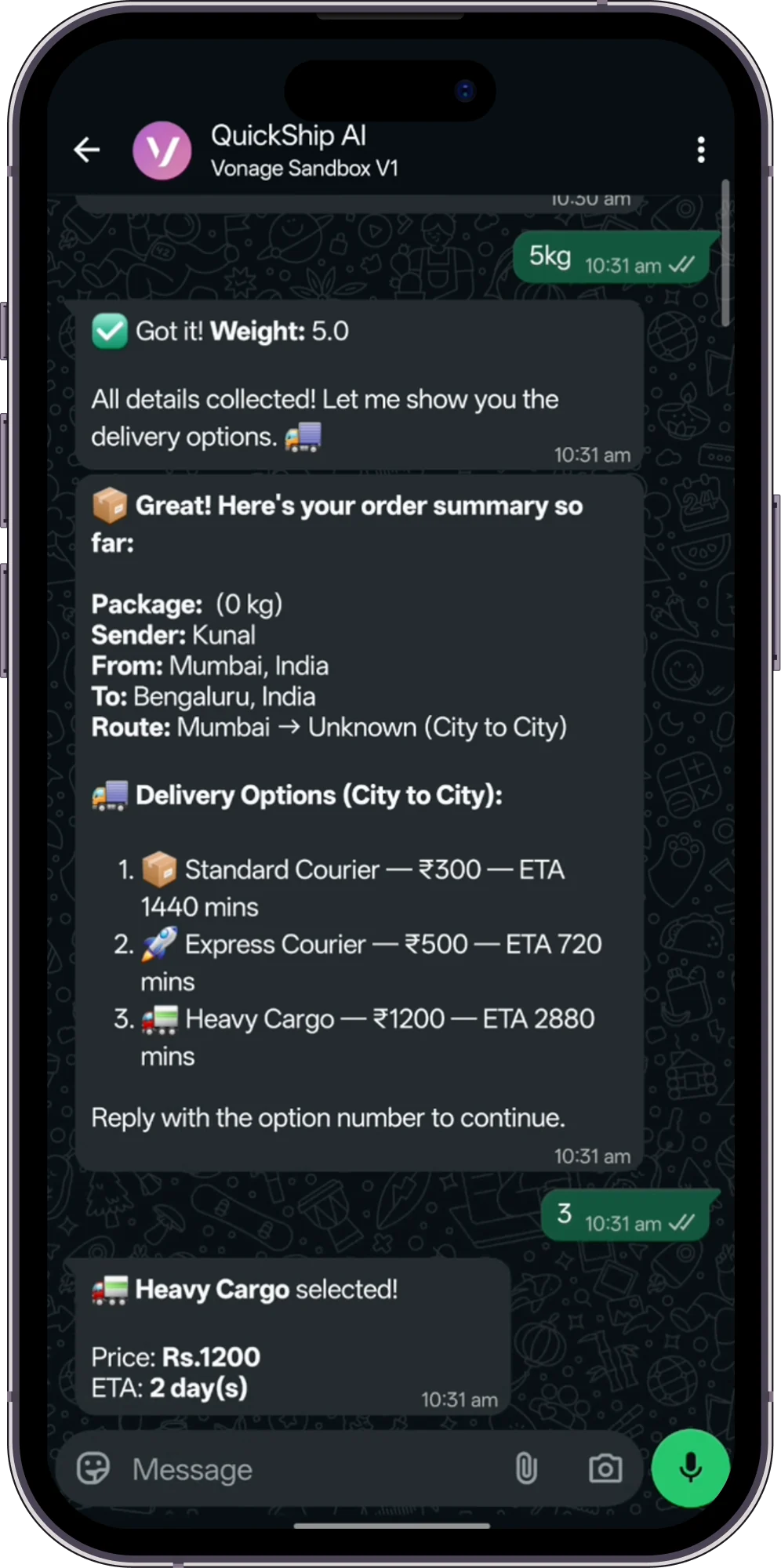
Key Takeaways
WhatsApp is where business happens in many markets, and AI agents that operate inside WhatsApp natively are the capability that turns this channel from a customer service overflow into an operational backbone.
Unico Connect has built this capability across client engagements covering customer query handling with knowledge base grounding, B2B ordering agents integrated with platform backends, voice-enabled agents that handle speech-to-text and audio playback, and the escalation discipline that keeps the agent useful without creating coverage gaps for genuinely complex queries.

The Challenge
In many markets, WhatsApp is not a channel; it is the channel. Customer queries arrive through WhatsApp. Suppliers communicate through WhatsApp. B2B customers place repeat orders through WhatsApp messages. The expectation in these markets is not that WhatsApp is one of several channels a business supports; it is that the business operates inside WhatsApp because that is where the customers and partners already are.
The challenge for businesses in these markets is that the volume of WhatsApp interactions outruns what human teams can handle as the business scales. Routine queries (where is my order, what are your hours, what is the status of my account) consume disproportionate operational time. B2B ordering through WhatsApp creates coordination work between the customer and the operations team that the platform should be handling automatically. Voice notes are common in WhatsApp business communication, particularly in markets where typing is less convenient, and businesses that cannot handle voice notes effectively lose customer trust quickly.
The pattern across our client engagements has been consistent. Clients in retail, logistics, healthcare, BFSI and travel come to Unico Connect with WhatsApp at the centre of their customer relationship and a need to handle the volume without scaling human headcount in proportion. The standard contact-centre approach does not work because customers do not want to leave WhatsApp for a separate channel. The point-solution chatbots that some businesses deploy do not work because they are not grounded in the actual business data, which means their answers either stop short of what the customer needs or wander into wrong answers that erode trust.
The opportunity was clear. The capability we have built across engagements solves this pattern. It combines natural language understanding tuned for WhatsApp conversational register, grounded answers from the client actual knowledge base or platform data, support for voice messages and audio playback that reflects how customers in many markets actually use WhatsApp, and the escalation discipline that hands off to humans cleanly when the agent reaches its limits.
The engagements have spanned the use case spectrum. Customer service agents handling routine status and informational queries. B2B ordering agents that recognise repeat customers and let them place orders conversationally. Knowledge base agents that surface policies, product information or service procedures on demand. Each engagement has its own context, but the underlying capability is the same.
Our Approach

The approach we have developed across client engagements is structured around three concerns that have to be addressed together for the capability to be production-ready: the conversational layer, the grounding layer and the escalation discipline. We treat voice as a first-class concern in the engagements where it matters, integrating speech-to-text on incoming notes and audio playback on outgoing responses so the customer preferred modality drives the experience rather than the agent limitations.
Key decisions:
Conversational layer tuned for WhatsApp register
WhatsApp messages are casual, mix languages, and include abbreviations and colloquialisms, and they sometimes arrive as voice notes that need transcription before processing. We design the conversational layer for this register rather than for polished benchmark prose, using Langchain orchestration with the underlying LLM (OpenAI in most engagements) tuned for the specific client context.
Grounding that makes the agent useful, not dangerous
The agent answers are constrained to the client actual knowledge base, platform data or operational systems rather than allowed to generate freely. A customer service agent answers from the client policies and the customer actual account state; a B2B ordering agent reflects the customer order history and the platform current inventory. Grounding is the structural choice that prevents confidently wrong answers where trust matters.
Escalation discipline as the normal operating mode
The agent handles what it can; when it cannot, the conversation hands off to a human with the context preserved so the human does not start cold. This is not a fallback for failure, it is the normal operating mode for any AI agent in a customer-facing context. Designing the escalation paths cleanly is what makes the capability sustainable rather than fragile.
The solution we built
The capability is structured around the agent surfaces, the grounding layer that constrains the agent behaviour, the integration with the client platforms and the escalation discipline that hands off to humans when needed.
Customer query handling agents
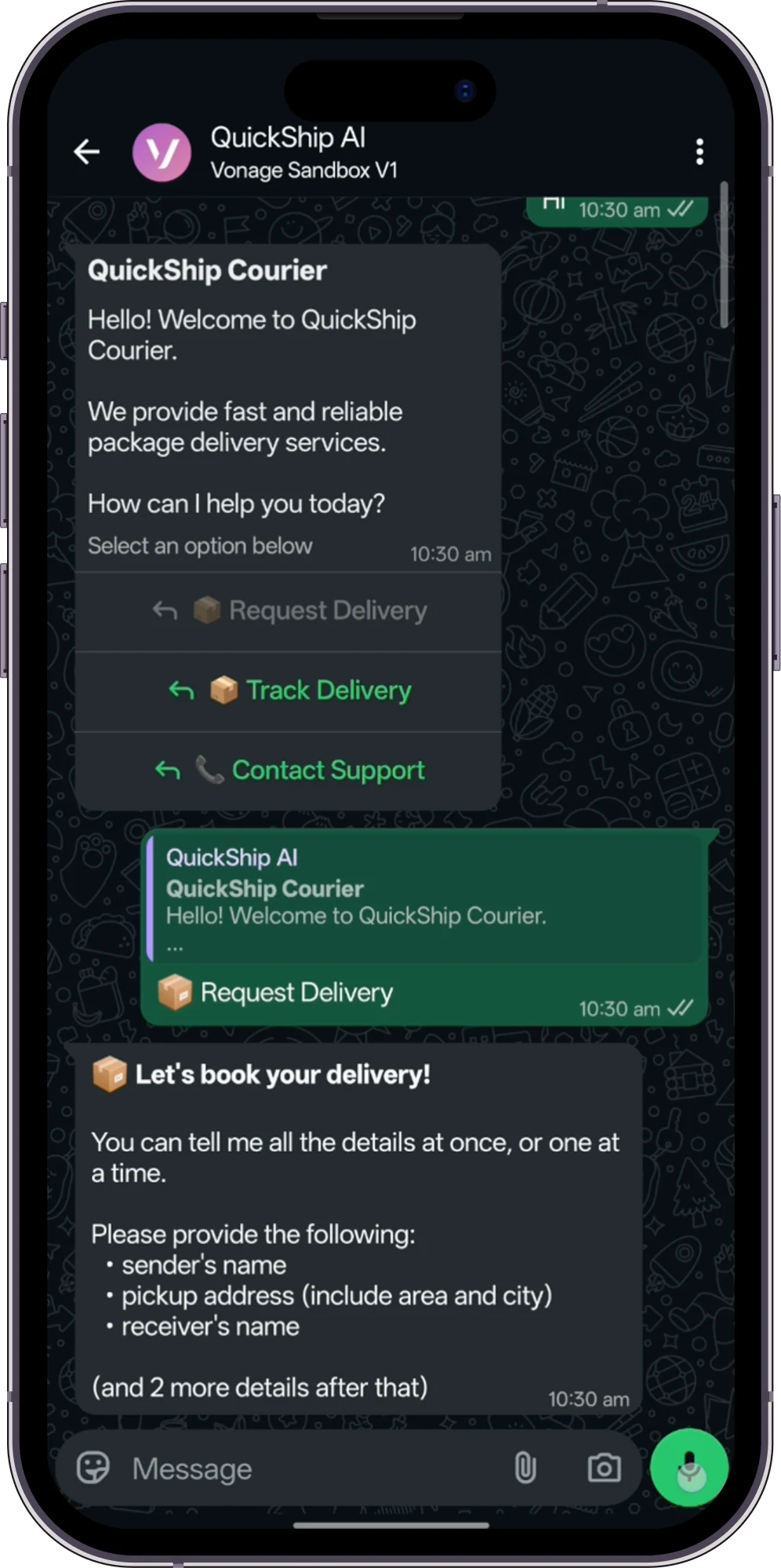
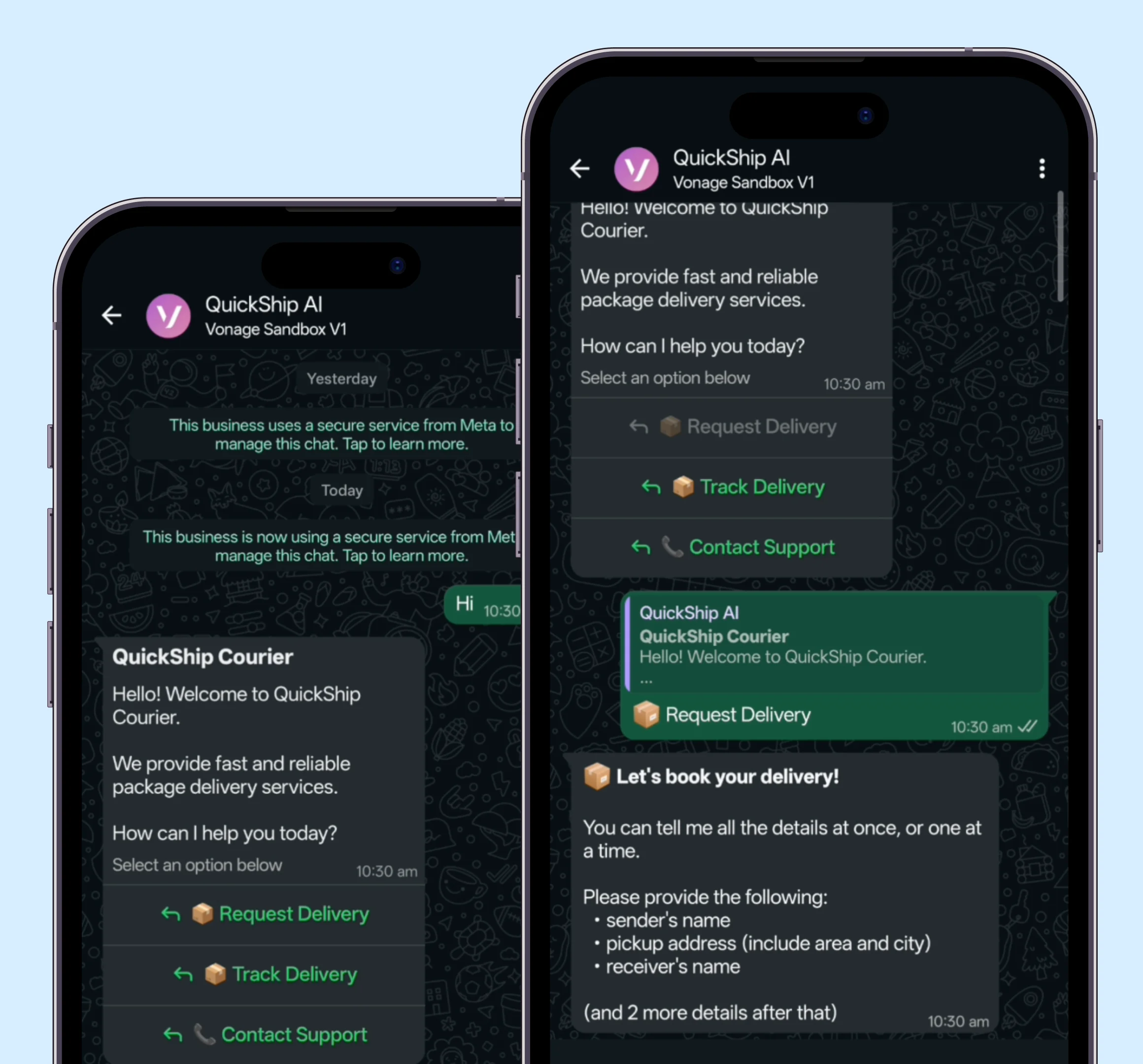
Process incoming WhatsApp messages with natural language understanding tuned for the client domain. Customers ask routine operational questions (status, hours, account state, billing) and the agent responds with answers grounded in the client data. For a logistics customer, the agent looks up the actual shipment state; for a retail customer, it answers from the policies and the customer account history. When the answer is outside the grounding, the conversation escalates to a human with the context preserved.
B2B ordering agents
Handle repeat ordering for business customers. The agent recognises returning customers, surfaces their typical order patterns, and lets them confirm an order conversationally rather than walking through a structured workflow. It integrates with the client platform for inventory, pricing and order processing, so an order placed through WhatsApp lands in the operational workflow without manual handoff.
Voice-enabled agents
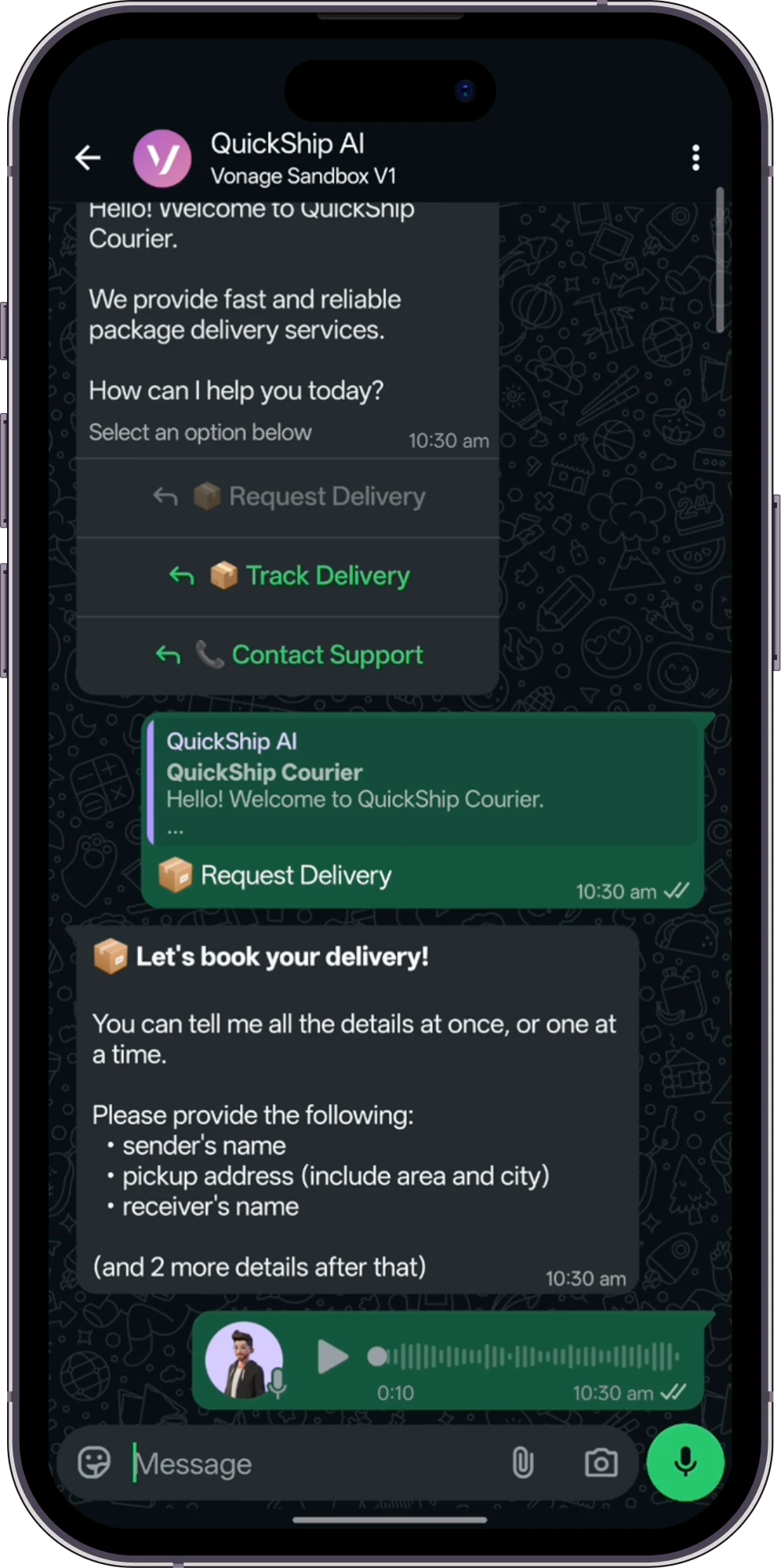
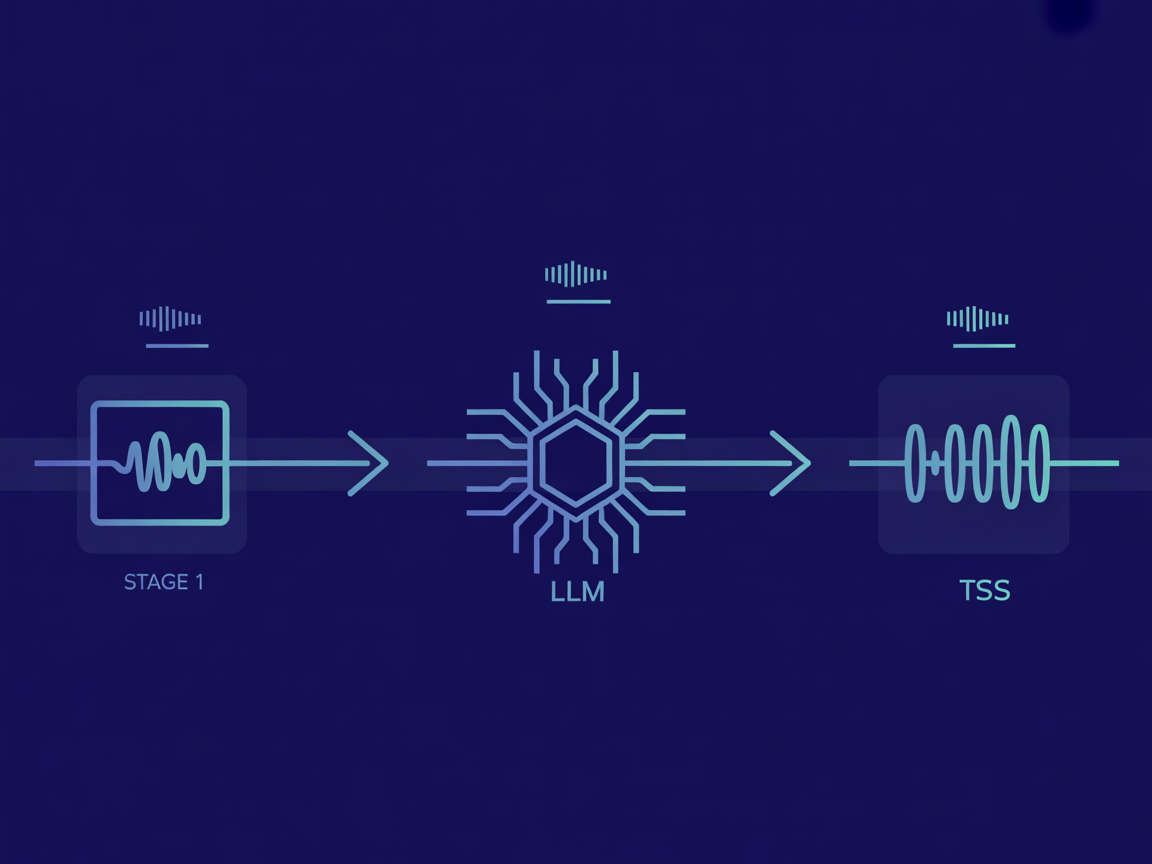
Handle the markets and use cases where WhatsApp voice notes are common. Customers send voice messages, the agent transcribes through speech-to-text, processes the query through the same conversational and grounding layers as text, and responds in either text or audio depending on the engagement design. The voice modality is native to WhatsApp rather than redirecting customers to a separate voice channel.
Knowledge base agents
Surface client-specific information on demand. For a healthcare context this might be policy answers or procedure information; for a BFSI context, product feature explanations or service guidance; for a travel context, destination information or booking-related queries. The grounding layer keeps the answers anchored to the client actual knowledge base rather than generic web information.
WhatsApp Business API integration
Across all the agent types, the integration with the WhatsApp Business API handles the messaging mechanics, the templates required for business-initiated conversations and the operational considerations that the business platform requires.
Clean human escalation
The escalation paths route to human agents in the client existing customer service tooling with the conversation context preserved, so the human picks up where the agent left off rather than starting cold.
Tech stack





Outcomes & Impact
Operating channel
Native WhatsApp, no channel switching for customers
Routine queries that used to consume human agent time now resolve in under a minute inside the customer existing WhatsApp thread. The friction of channel-switching that traditional customer service produces is gone, and customers only escalate to humans when the query genuinely requires it.
Modalities
Text and voice supported equivalently
Voice messages, common in many markets, are handled equivalently to text rather than treated as a degraded mode. Speech-to-text on incoming notes and audio playback on outgoing responses let the customer preferred modality drive the experience.
Grounding
Answers stay grounded in the client actual data
The agents are grounded and signal uncertainty when the grounding does not contain the answer rather than guessing. This is the structural feature that has let clients put the agents in front of real customers rather than keeping them in pilot.
Escalation
Clean handoff to humans with context preserved
For B2B ordering, the agent reduces the order to a conversation rather than a workflow, capturing orders that would otherwise have leaked to inertia. Across engagements the architecture has consolidated into a reusable capability with predictable integration patterns and mature escalation mechanics.
Trusted and verified by our clients


 ISO/IEC 27001:2022
 ISO 9001:2015
 GDPR compliant
Frequently Asked Questions
Tell us about your project
Tell us about your customer base, the queries or workflows you want to automate and where you want the capability to be in twelve months. A 30-minute call with our team is the fastest way to find out whether Unico Connect is the right partner.
Prefer to book directly?
🗓️ Schedule on Calendly →Or email us:
✉️sales@unicoconnect.com