










What does a healthcare app development company do?
A healthcare app development company builds the software that patients, clinicians, and health businesses depend on, where a single data field can be protected health information and a single bug can affect care. Telemedicine and virtual care, remote patient monitoring, patient engagement apps, clinical and provider tools, and the integrations that connect them to electronic health records. The work is different from ordinary app development in one way that matters. Every feature touches sensitive health data, so security, privacy, and interoperability are designed in from the first sprint, not bolted on before launch.
We are an AI led team that ships healthcare and wellness products with compliance built in. We are certified to ISO/IEC 27001:2022 and ISO 9001:2015, we are GDPR compliant, and we build for HIPAA workloads with encryption, role based access, and full audit logging. Below is what we build, how we handle compliance and interoperability, the stack we work in, and the healthcare products we have already shipped.
Why Healthcare Builds Fail Without Compliance First
Most healthcare products stall not on features but on the security and interoperability work left for later. Here is the difference in how we build.
Compliance Bolted On Later
PHI scattered everywhere
Protected health information stored and logged without controls, so an audit or a breach becomes a crisis.
Interoperability as an afterthought
EHR integration discovered late, when the data model was never designed for HL7 or FHIR.
Access left flat
No role based access or audit trail, so you cannot prove who saw which record.
Device line crossed by accident
A feature drifts into clinical decision territory with no thought to medical device regulation.
Rewrite before launch
The gap surfaces at security review and forces expensive rework right before go live.
How We Build Healthcare
PHI protected by design
Encryption, role based access, and full audit logging built into the data model from sprint one.
Interoperability scoped early
HL7 and FHIR integration planned up front, with SMART on FHIR for launching inside EHRs.
Audit ready access control
Multi factor access and a complete trail, so compliance can be demonstrated to reviewers.
Device line drawn early
We identify Software as a Medical Device risk up front and plan the build accordingly.
Secured and owned
Encryption, business associate agreements, and infrastructure you own, ISO 27001 certified.
Healthcare Products We Build

Telemedicine & Virtual Care
Secure video, messaging, scheduling, and e prescribing for virtual visits, built for privacy and reliability.

Remote Patient Monitoring
Wearable and device data through FHIR, designed around the documentation that billing codes require.

EHR & EMR Integration
HL7 and FHIR integration with systems such as Epic and Oracle Health, using SMART on FHIR where it fits.

Patient Engagement Apps
Onboarding, education, reminders, and consumer health apps that patients actually keep using.

Clinical & Provider Tools
Provider portals, care coordination, and operations tools that run on the same trusted data.

Healthcare AI & Imaging
Grounded documentation, triage, and imaging AI with PHI protection, proven on our DICOM redaction work.
Our Healthcare Stack





Healthcare Work We Have Shipped
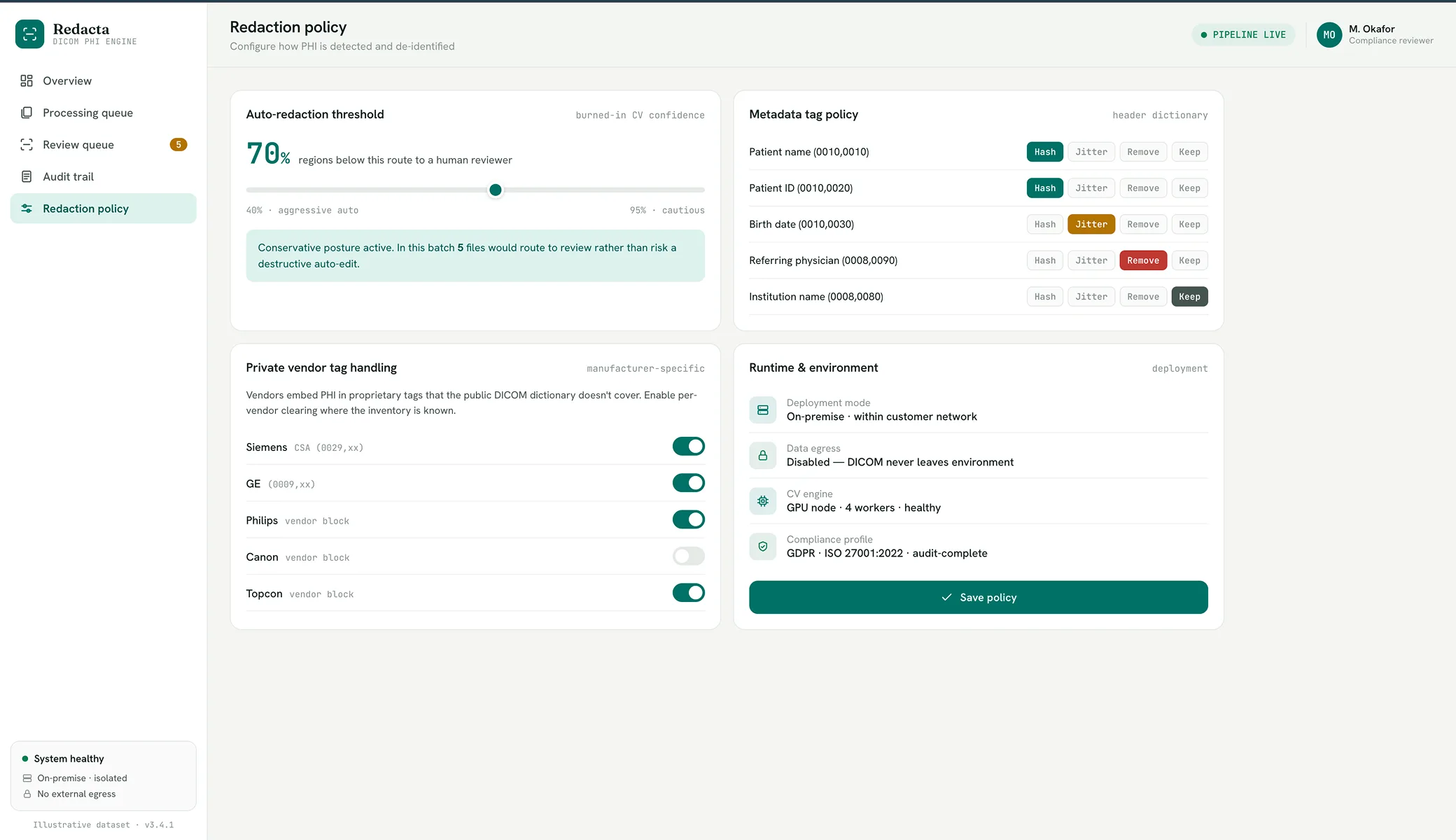
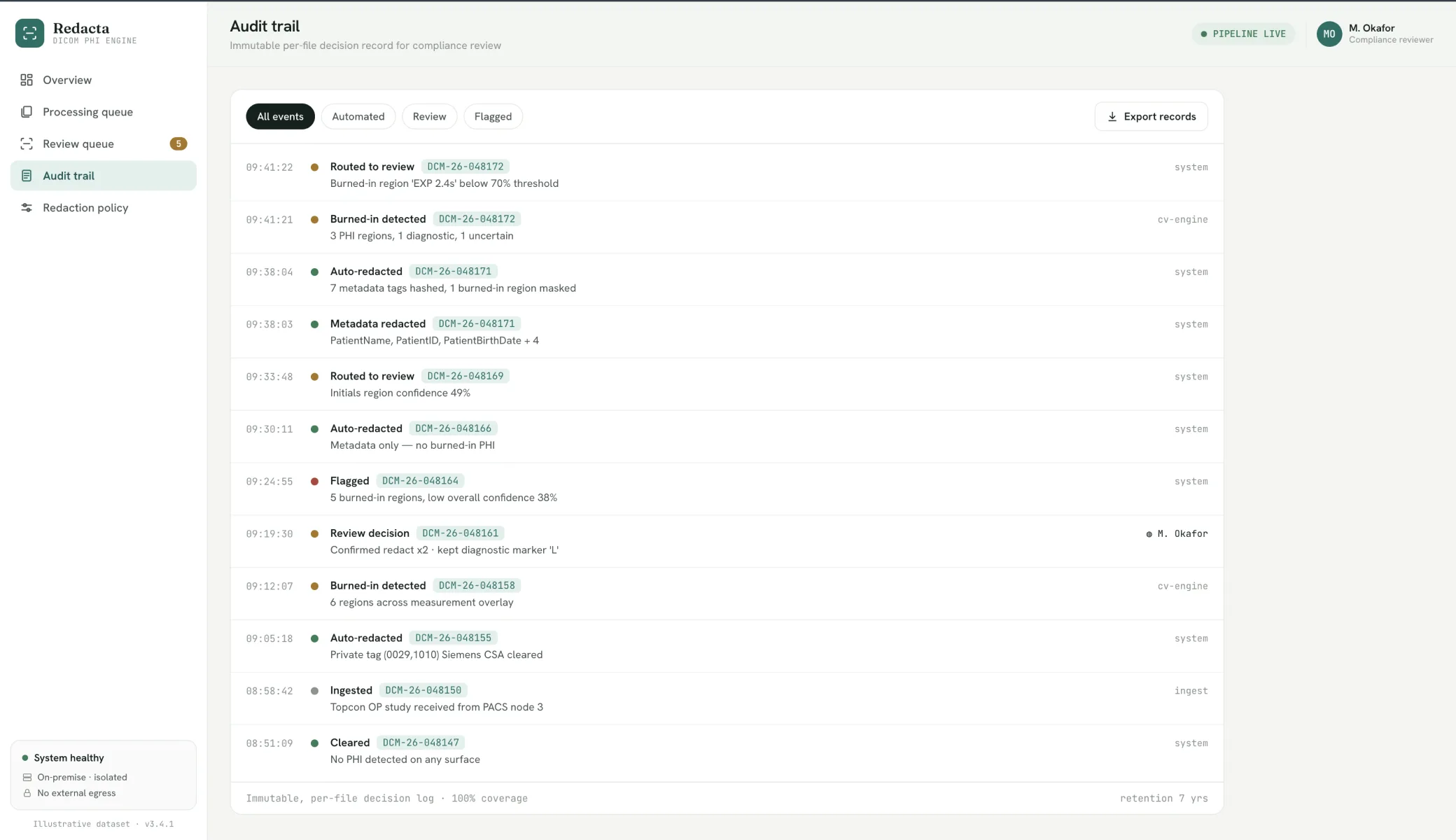
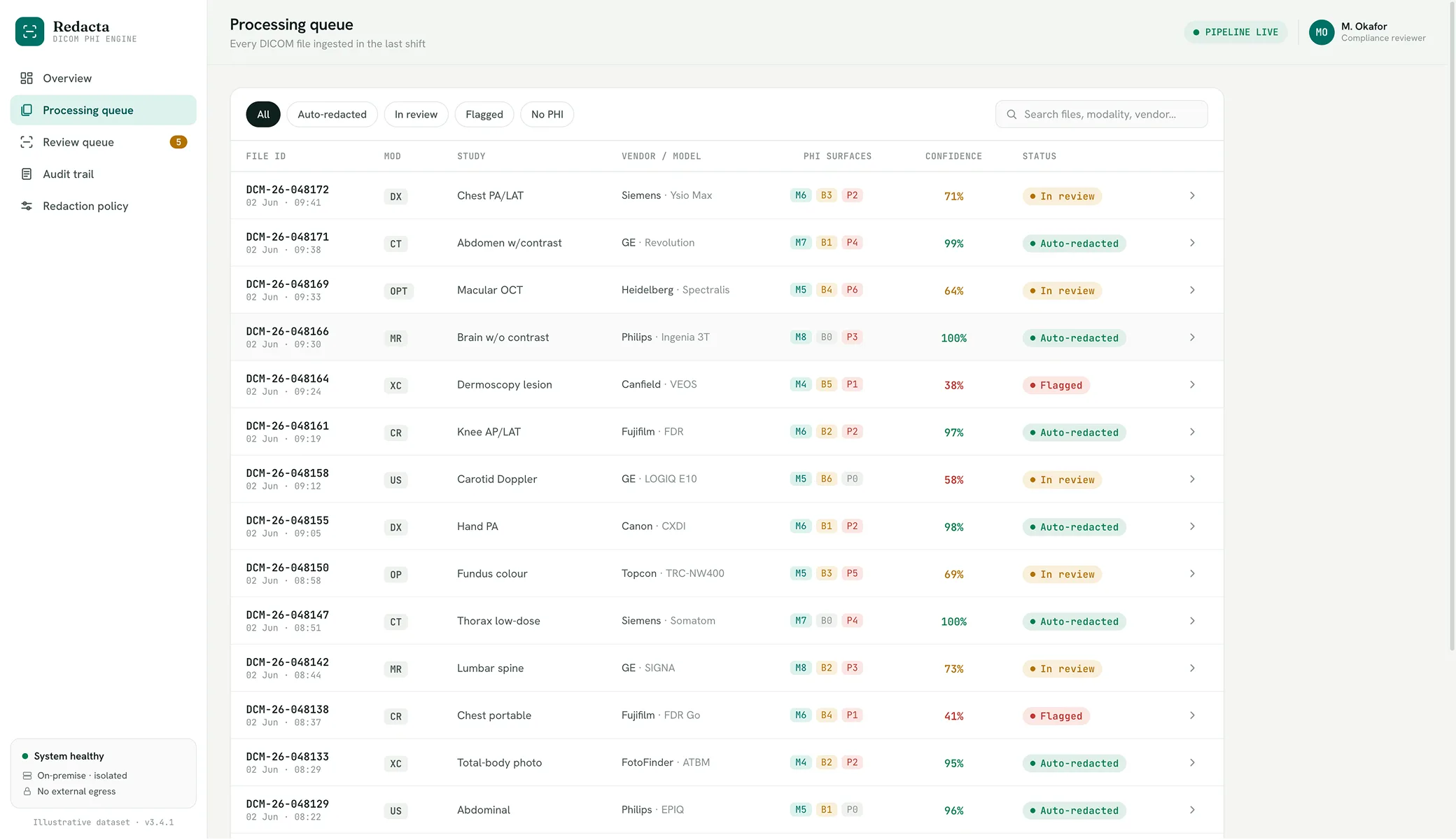
Built a PHI redaction pipeline for medical imaging that preserved diagnostic quality
3 layers
Of PHI protection
Intact
Diagnostic quality
In network
Deployment
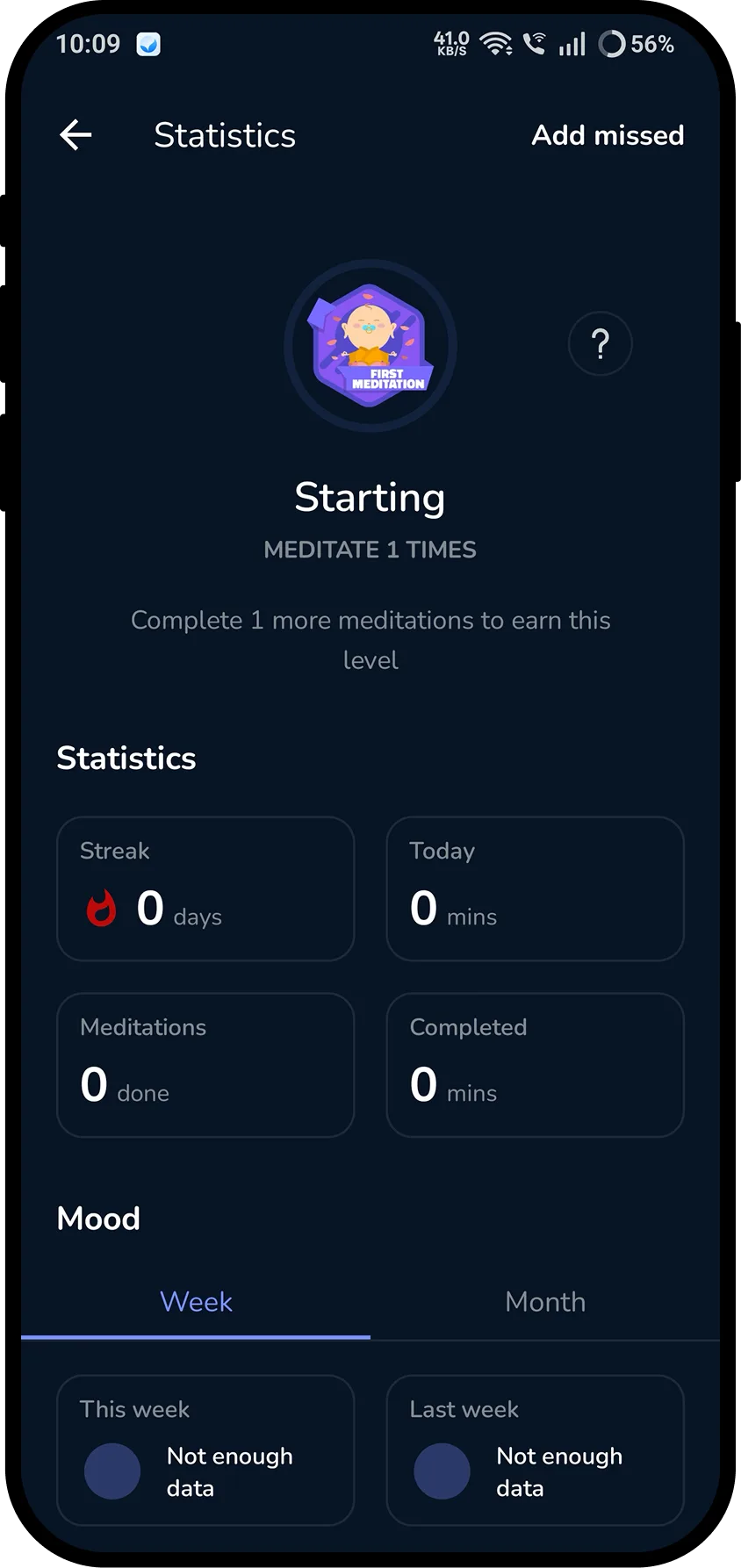
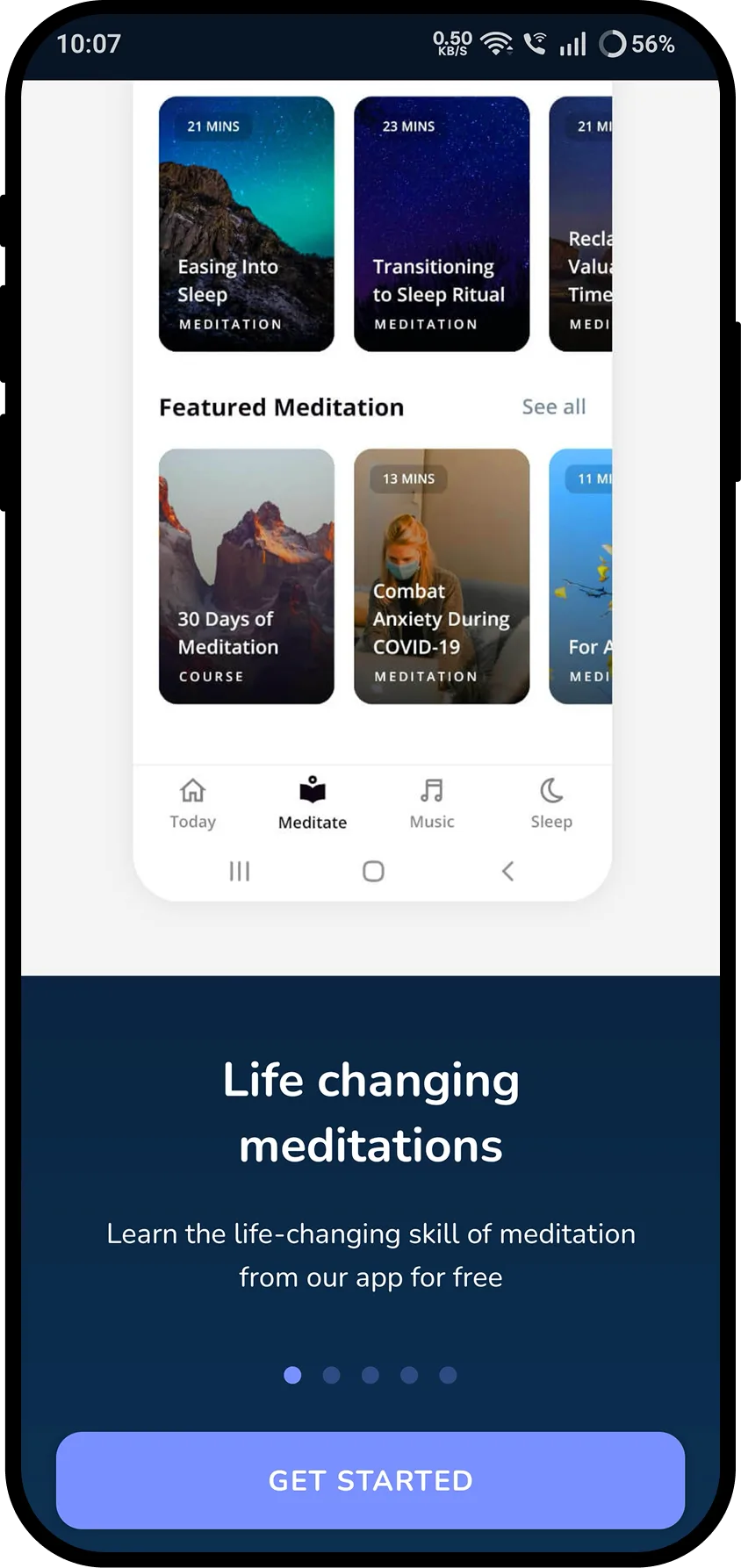
Shipped Deep Meditate, native iOS and Android health apps with 500K+ downloads
500K+
Downloads
4.8
App Store rating
3x
Session retention

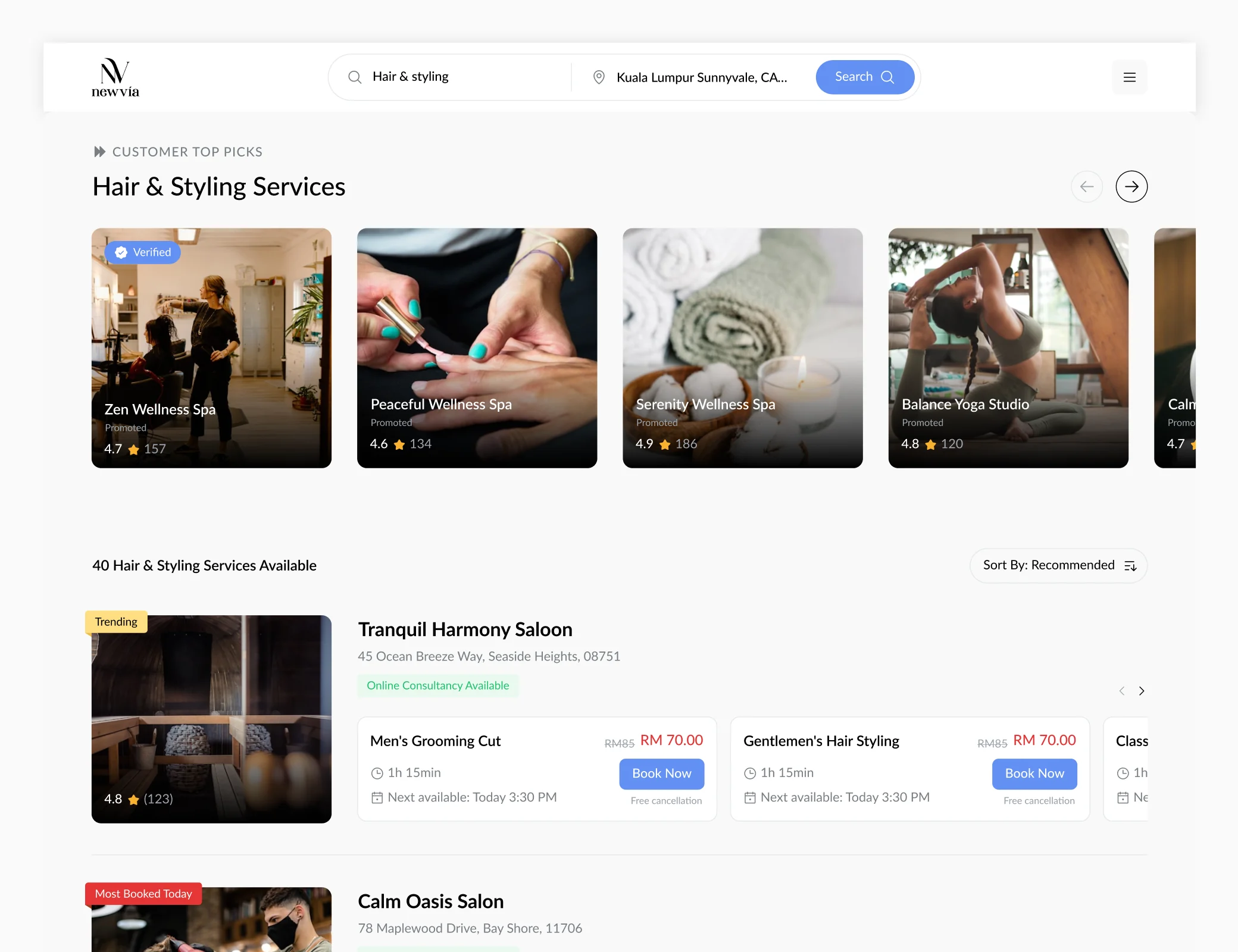
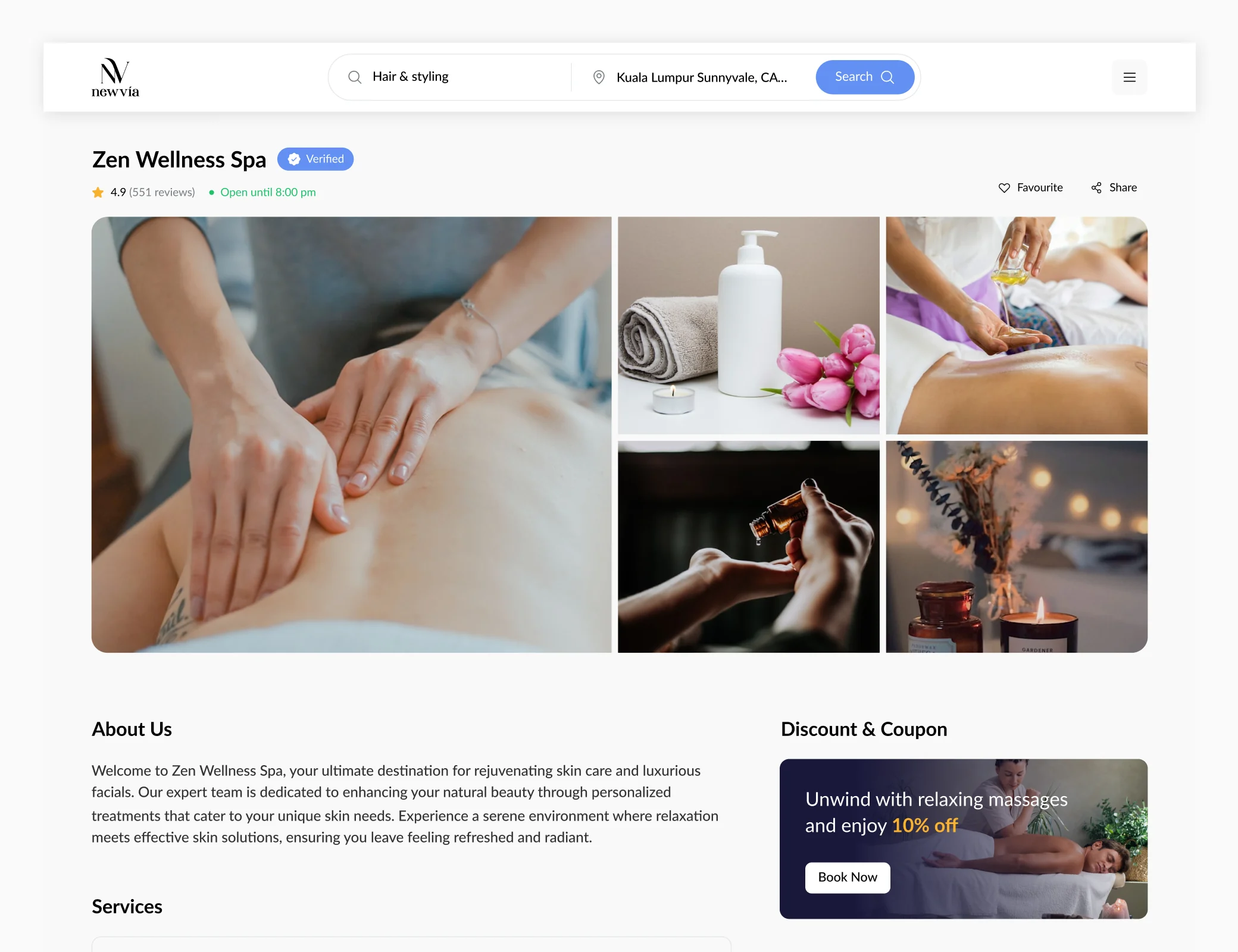
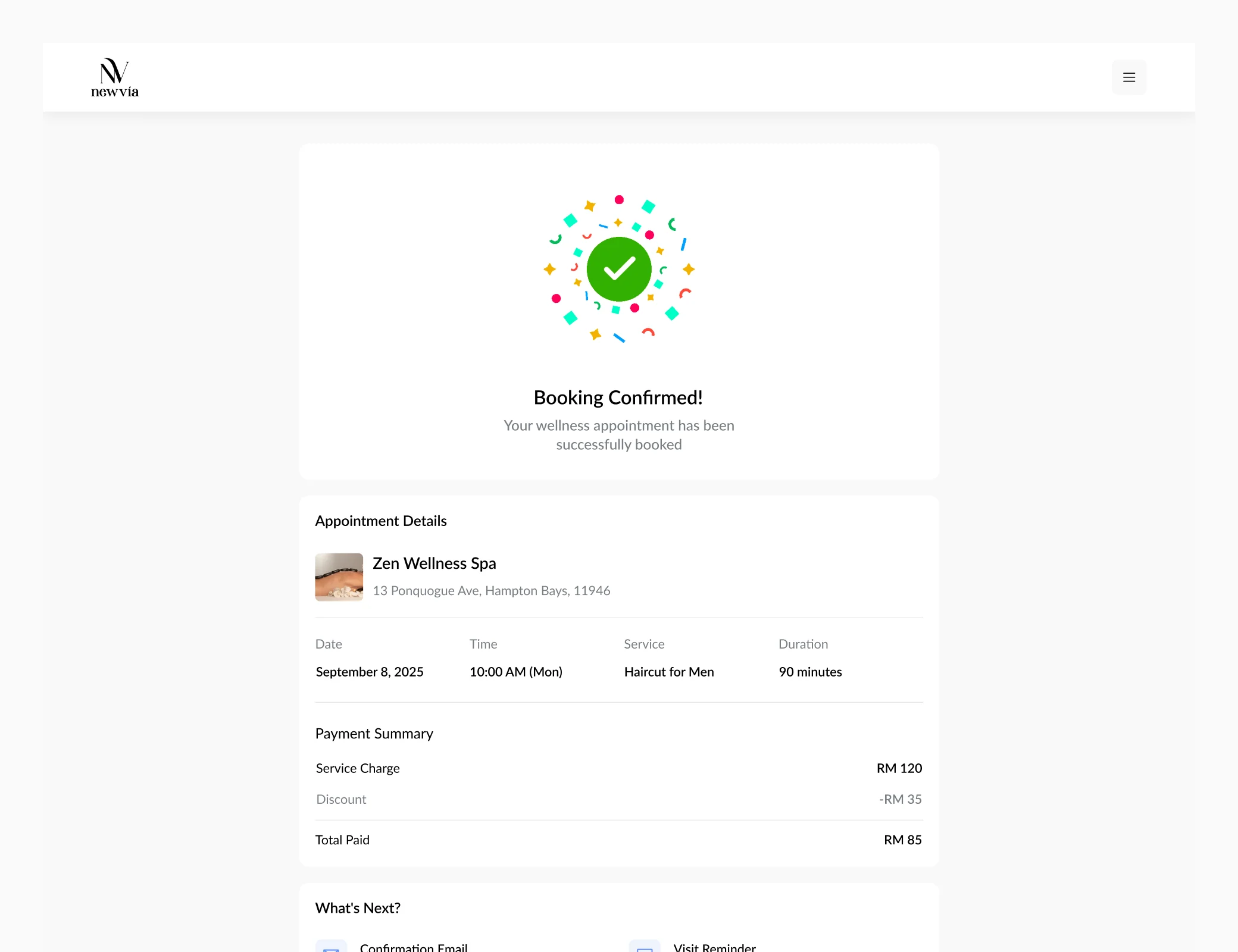
Built a three portal beauty and wellness booking marketplace as an MVP
3 portals
One marketplace
MVP
To launch fast
Tiered
Provider plans
What makes a healthcare app HIPAA ready?
A HIPAA ready app protects protected health information through engineering, not paperwork. That means encryption of data in transit and at rest, role based access control with multi factor authentication, full audit logging of who touched which record and when, automatic session timeout, and the ability to wipe data from a lost device. It also means a business associate agreement is in place with every service that processes health data on your behalf. We build all of this in from the first sprint, because retrofitting it after launch is both slower and riskier than designing it in.
Who actually holds HIPAA compliance, the developer or the provider?
This is the point most vendors gloss over, so we state it plainly. A development partner builds HIPAA ready software and signs a business associate agreement for its role, but compliance itself is held by the covered entity. It depends on your policies, your workforce training, how access is granted and revoked, and how the system is operated day to day, not on the code alone. We build software that makes compliance achievable and we support your audits, and we are honest that the obligation ultimately sits with you.
Is there such a thing as HIPAA certified software?
No, and any vendor that claims a HIPAA certification is misleading you. The Office for Civil Rights, which enforces HIPAA, does not run a certification program and does not certify software or companies as HIPAA compliant. What exists is HIPAA ready software, built to satisfy the Privacy, Security, and Breach Notification Rules, delivered by a partner willing to sign a business associate agreement. Third party frameworks such as HITRUST or SOC 2 can be independently audited and certified, and they demonstrate strong controls, but they are not a HIPAA certificate either. We would rather tell you this plainly than sell you a badge that does not exist.
How do you handle PHI de-identification and redaction?
When protected health information needs to leave a clinical boundary, for analytics, research, or AI training, it has to be de-identified properly. HIPAA recognizes two methods, Safe Harbor, which removes a defined set of identifiers, and Expert Determination, where a qualified expert certifies the re identification risk is very small. We have built this for real. Our medical imaging PHI redaction pipeline detected protected health information across the surfaces of DICOM files, preserved diagnostic quality as a hard constraint, and produced a per file audit trail defensible in a compliance review. De-identification done wrong is a breach waiting to happen, so we treat it as an engineering discipline, not a checkbox.
Which healthcare apps do we build?
Healthcare is not one product, so we build across the field. Telemedicine and virtual care, remote patient monitoring, and patient engagement apps on the consumer side. Mental and behavioral health, including mood tracking and digital therapeutics. Chronic care management with condition modules for diabetes, hypertension, and similar, plus caregiver coordination. On the clinical and operational side, pharmacy and e prescribing, medical imaging and DICOM viewers, clinical trials software, hospital and practice management, and medical billing and revenue cycle management. And across all of them, wearables and connected device integration. If your product sits in one of these areas, we have built adjacent to it.
How does EHR and EMR integration work with HL7 and FHIR?
Health systems exchange data through HL7, and the modern approach is FHIR, the HL7 API standard, with R4 and US Core as the current production baseline. We integrate with electronic health record systems such as Epic, through its Showroom and Connection Hub program, Oracle Health, and athenahealth, and where a system still speaks older HL7 version 2 messages we handle that too. SMART on FHIR lets an app launch inside the EHR with authorized, context aware access. Beyond FHIR we work with the coding and document standards real health data uses, including DICOM for imaging, and LOINC, SNOMED, ICD-10, and CPT for clinical and billing data. We also build for the newer United States interoperability requirements, including the CMS Interoperability and Prior Authorization rule with its patient access, provider access, and prior authorization FHIR APIs, and the information blocking rules that go with them. Getting interoperability right is often the hardest and most valuable part of a healthcare build, so we scope it early rather than discovering it late.
Should you integrate directly, through an aggregator, or via a marketplace?
There are three honest paths into an EHR and we help you pick the right one rather than defaulting to the hardest. Direct FHIR and SMART on FHIR integration gives the most control and is right when you need deep, real time access and will support a named system. An aggregator such as Redox, 1upHealth, or Health Gorilla trades some control for reach, connecting you to many health systems through one interface, which suits a product that must reach dozens of hospitals quickly. A marketplace listing, such as Epic Showroom, is about distribution and endorsement once you are integrated. For consumer health, device platforms like Apple HealthKit and Google Health Connect are often the faster route to vitals and activity data. We map your reach, control, and timeline needs to the right path before any code is written.
When does a healthcare app become a regulated medical device?
Software crosses into being a medical device when it is intended to diagnose, treat, or drive a clinical decision rather than simply inform. A meditation app or a booking marketplace is not a medical device. Software that interprets a scan or recommends a treatment may be regulated as Software as a Medical Device, which brings design controls and a regulatory pathway, and standards such as IEC 62304 for the software lifecycle, ISO 13485 for the quality system, and 21 CFR Part 11 for electronic records where they apply. We help you place your product on the right side of that line early, because it changes the build plan significantly, and we bring in regulatory specialists where a genuine device classification applies.
Do you need HITRUST, SOC 2, or something else?
It depends on who you sell to. Many health systems and payers ask a vendor for SOC 2 Type II, and some require HITRUST CSF certification, which is a prescriptive framework that maps HIPAA and other requirements into certifiable controls. We deliver under our own ISO/IEC 27001:2022 certified information security management system, which covers much of the same control ground, and we build the audit logging, encryption, and access controls that any of these audits check for. We help you decide which your buyers actually require rather than pursuing every badge, because the right answer is set by your customers, not by a checklist.
How much does it cost to build a healthcare app?
A healthcare MVP that proves one clinical or patient flow starts at 15,000 dollars when it runs on test data or only holds information people enter for themselves. Once the MVP stores or sends protected health information for a provider or health plan, it typically starts around 25,000 dollars, because the HIPAA safeguards are built in from the first sprint, including a business associate agreement with every host, audit logging, encryption, and role based access. A full platform with EHR integration runs into the low hundreds of thousands, and an enterprise system more still. Penetration testing and a deep EHR integration are scoped on top, at a blended 25 to 50 dollars per hour, and we scope a fixed estimate against your real product rather than quoting a template.
How long does a healthcare build take, and how do we run it?
We run it in phases. First a compliance and interoperability scoped discovery, where we decide which standards apply and design the data model and access controls around them. Then a focused MVP that proves one clinical or patient flow, which typically takes a few months, followed by iterative expansion, integration, and hardening toward launch, and then support. A lean MVP can start within about two weeks of kickoff and reach a usable build in a few months, while a full platform with deep EHR integration runs longer. We are an AI native team, and roughly 80 percent of our production code is AI generated and engineer reviewed, verified by our internal team, which lets a senior team ship at pace without giving up the review discipline healthcare demands. You own the full source, documentation, and infrastructure from day one.
For a comparison of strong candidates across scenarios, see our guide to the top healthcare app development companies.

Building a healthcare product that has to protect patient data?
Talk to our teamPRICING
Transparent pricing, published
$15,000 to $50,000
focused healthcare MVPs, from $25,000 with patient data
$50,000 to $150,000+
platforms with EHR integration
Published estimate ranges at a blended rate of $25 to $50 per hour. Every project is scoped individually before any number becomes a quote.
See the software cost guide + calculatorHealthcare App Development FAQs
It builds telemedicine, remote monitoring, patient engagement, and clinical tools, and integrates them with electronic health records. Because every feature can touch protected health information, a healthcare app development company designs security, privacy, and interoperability in from the first sprint rather than adding them before launch.

Build your healthcare product with a compliance first team
Tell us what you are building and which standards apply. We will get back to you within one business day.
Prefer to book directly?
🗓️ Schedule on Calendly →Or email us
✉️sales@unicoconnect.com