










Why Our Conversational AI Works in the Real World
The gap between a demo chatbot and a production conversational system is enormous. We have built systems that handle real transactions - orders, queries, multilingual conversations.
Scripted Chatbot
Decision Tree Logic
Predefined conversation paths. User must follow the script. Any deviation leads to "I don't understand" or a dead end.
Keyword Matching
Intent detection based on keywords. Miss the keyword, miss the intent. No understanding of context, nuance, or conversation history.
Single-Language, Single-Channel
Built for one language on one platform. Adding a language or channel means rebuilding the conversation logic from scratch.
No Graceful Degradation
When the bot cannot handle a request, it loops or fails silently. Users abandon the conversation. No escalation to a human with context.
No Learning or Improvement
Conversations are not instrumented. No visibility into where users drop off, what they actually need, or how to improve.
Production Conversational AI
Context-Aware Understanding
AI understands intent from natural language, not keywords. Handles follow-up questions, contradictions, and mid-conversation topic changes.
Voice & Text, Multi-Channel
Same conversational intelligence across WhatsApp, web, voice, and app channels. Deploy once, serve everywhere.
Transaction-Capable Conversations
Not just Q&A conversations that process orders, query databases, schedule appointments, and complete real business transactions.
Graceful Escalation with Context
When confidence drops, the system escalates to a human with full conversation history preserved. No repetition. No lost context.
Instrumented for Improvement
Every conversation is analyzed - where customers succeed, where they drop off, where AI needs improvement. Systems that get better over time.
What We Build

WhatsApp Business Automation
AI agents on WhatsApp handling inquiries, orders, notifications, and appointments. Text, voice messages, and media. Multilingual.

Web Chat & Support Bots
Intelligent chat interfaces accessing your knowledge base, CRM, and product catalog to resolve inquiries without human intervention.

Voice AI Agents
Phone and voice-based AI for customer service, scheduling, and information retrieval. Multiple languages and accents supported.

Multilingual Conversational Systems
AI that operates across languages without separate bot instances. Real-time translation and language-switching within conversations.

Enterprise Messaging Integration
Conversational AI on Slack, Teams, or custom platforms for IT helpdesk, HR inquiries, and knowledge base access.

Conversation Analytics & Optimization
Post-deployment analytics on patterns, resolution rates, satisfaction, and drop-offs. Continuous quality improvement.
Technology We Work With


















Our Work
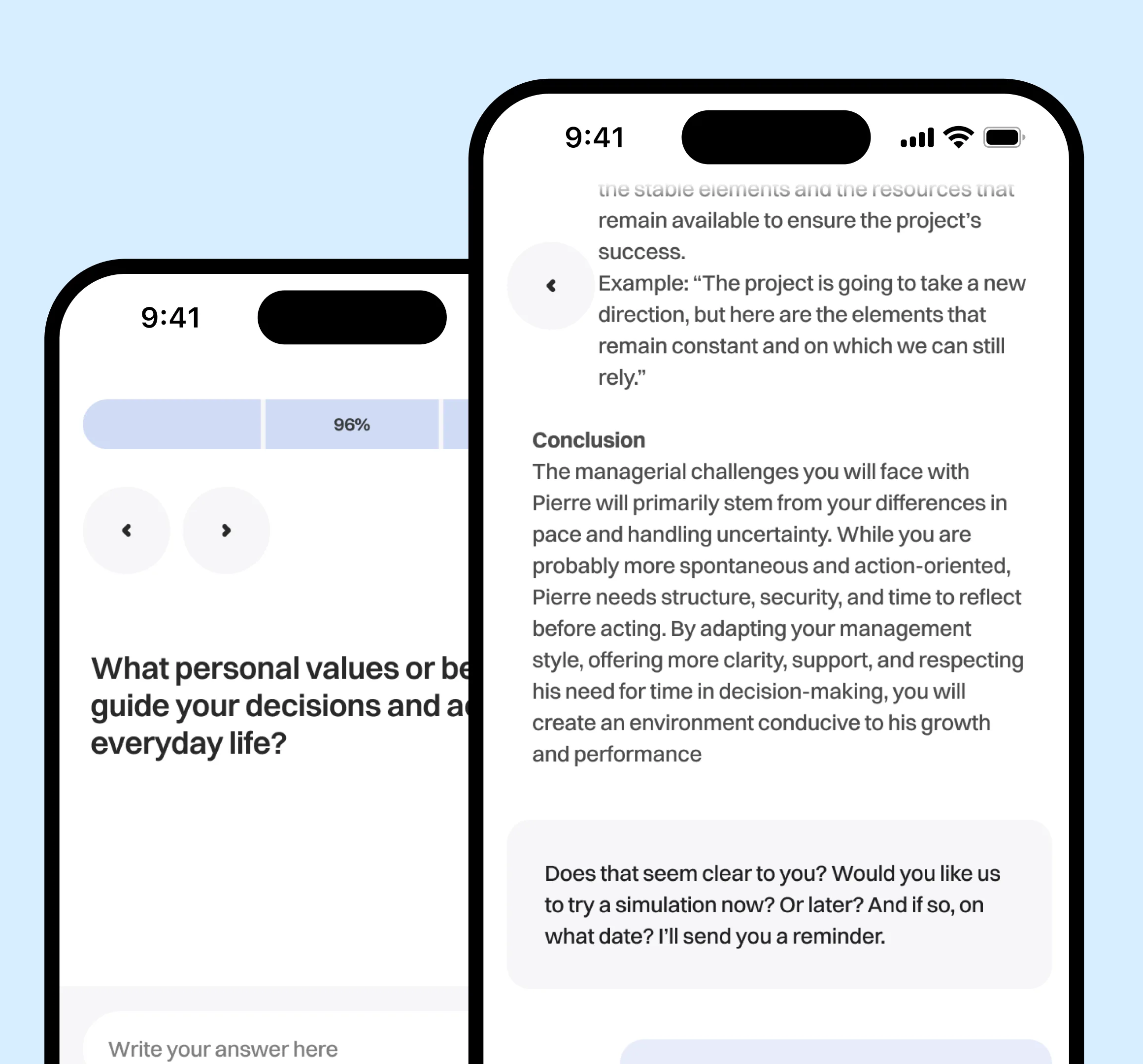
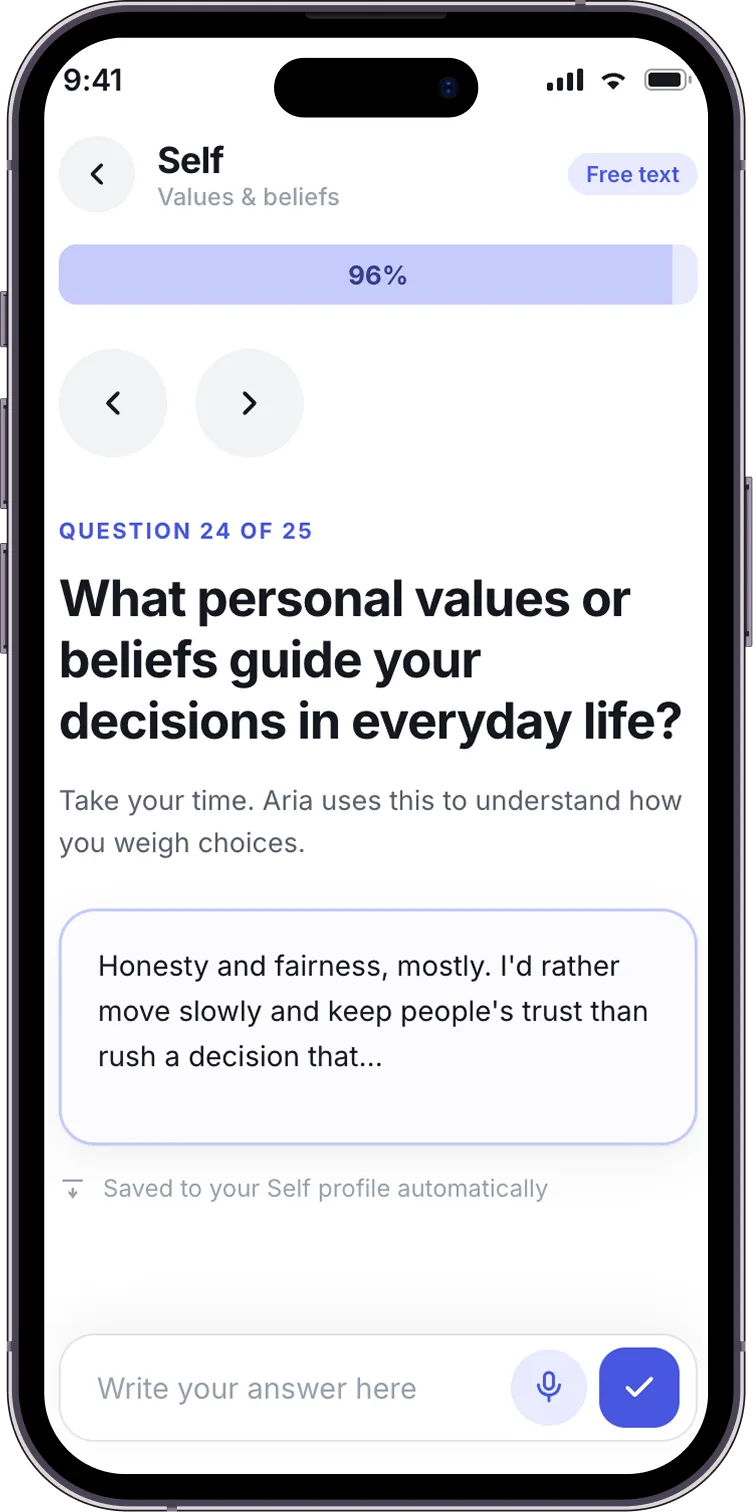
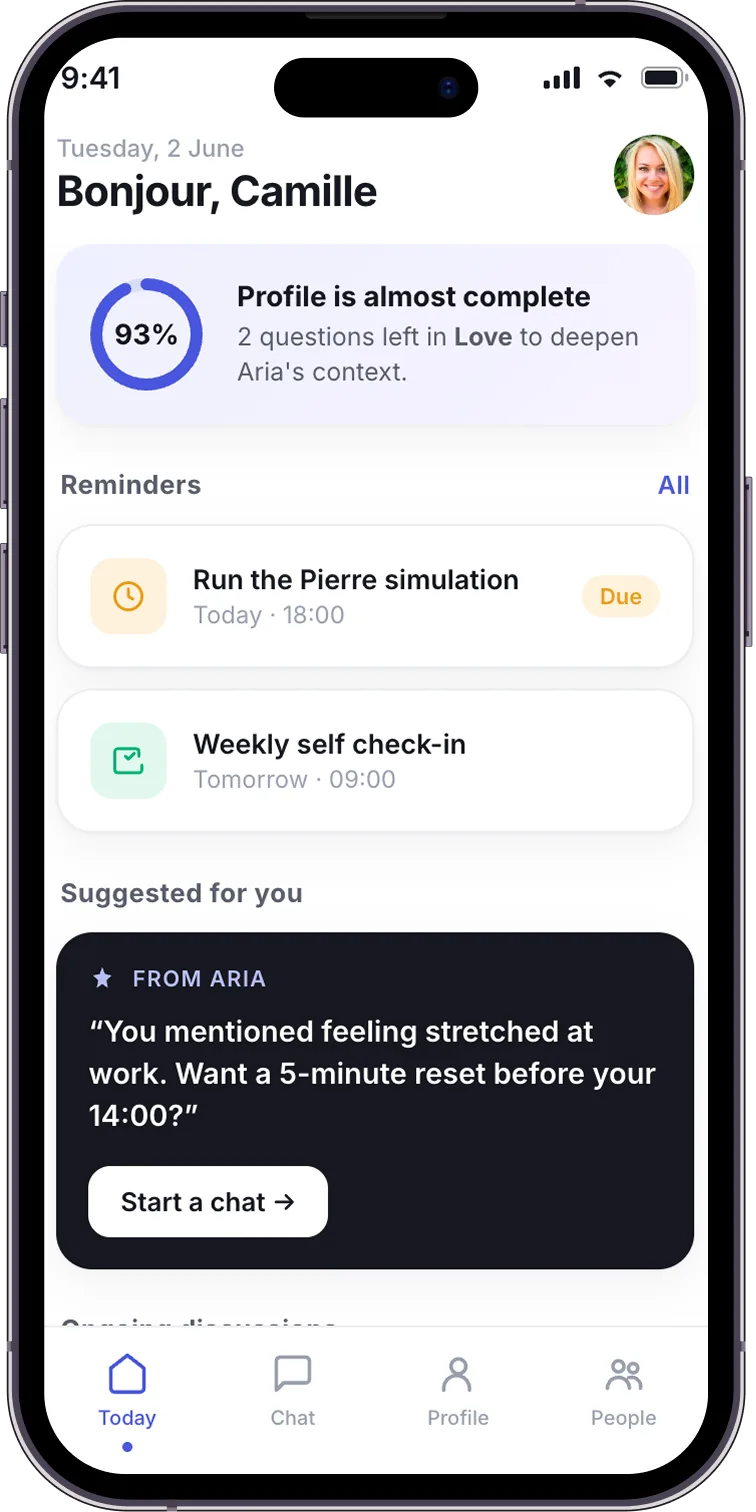
Shipped an AI chat platform with text and voice for a consumer wellness brand
Text + Voice
AI conversation
5 domains
Profiling coverage
iOS + Android
Live mobile app

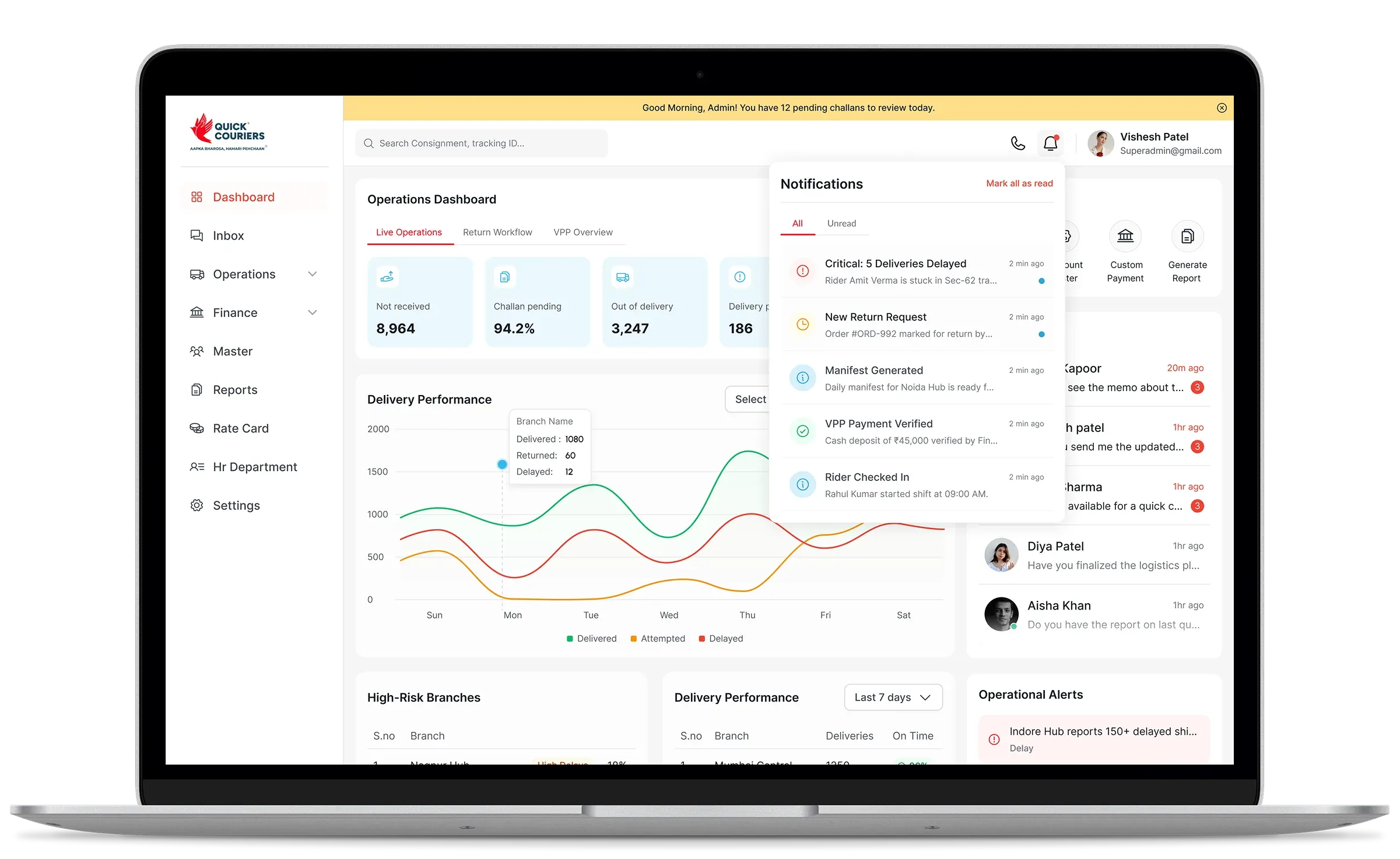
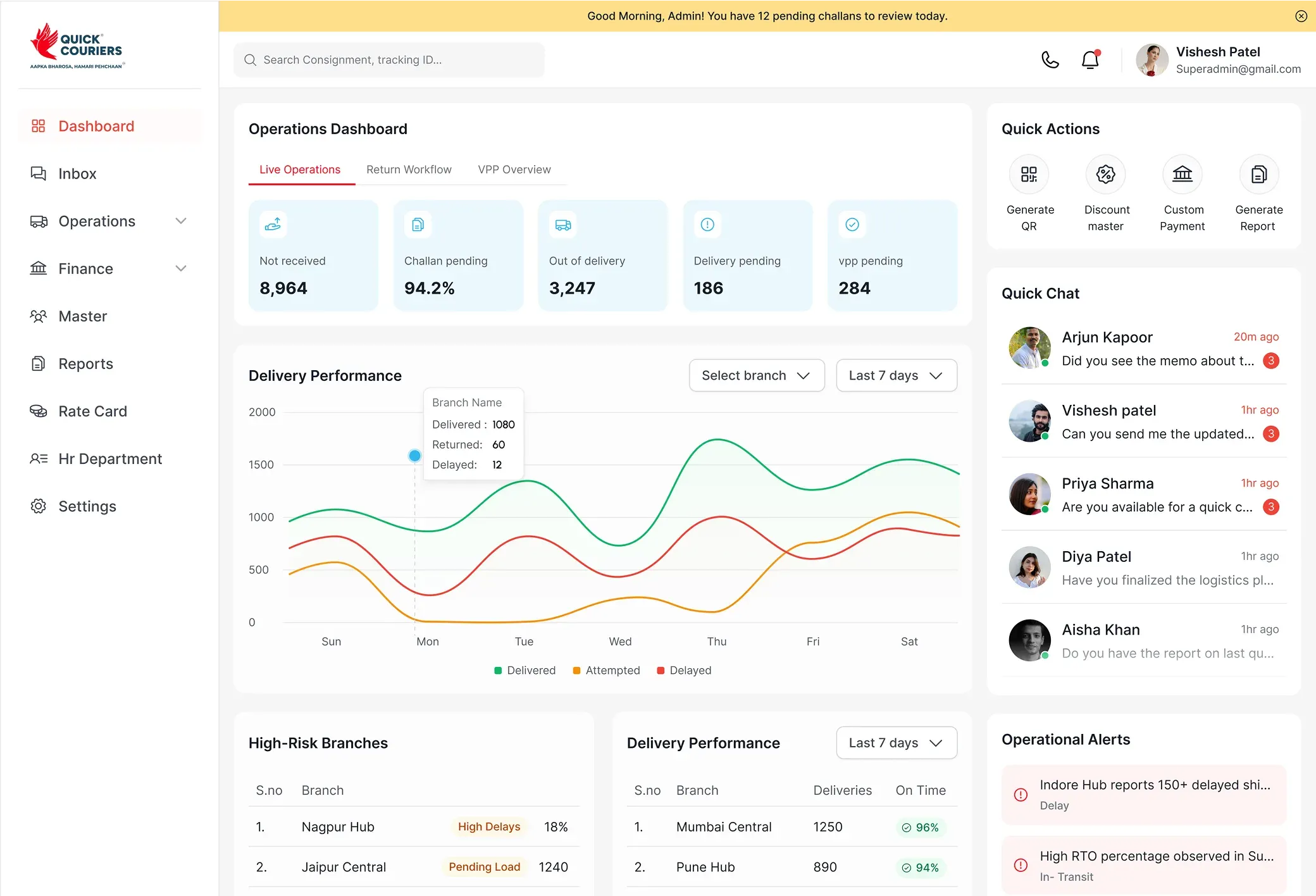
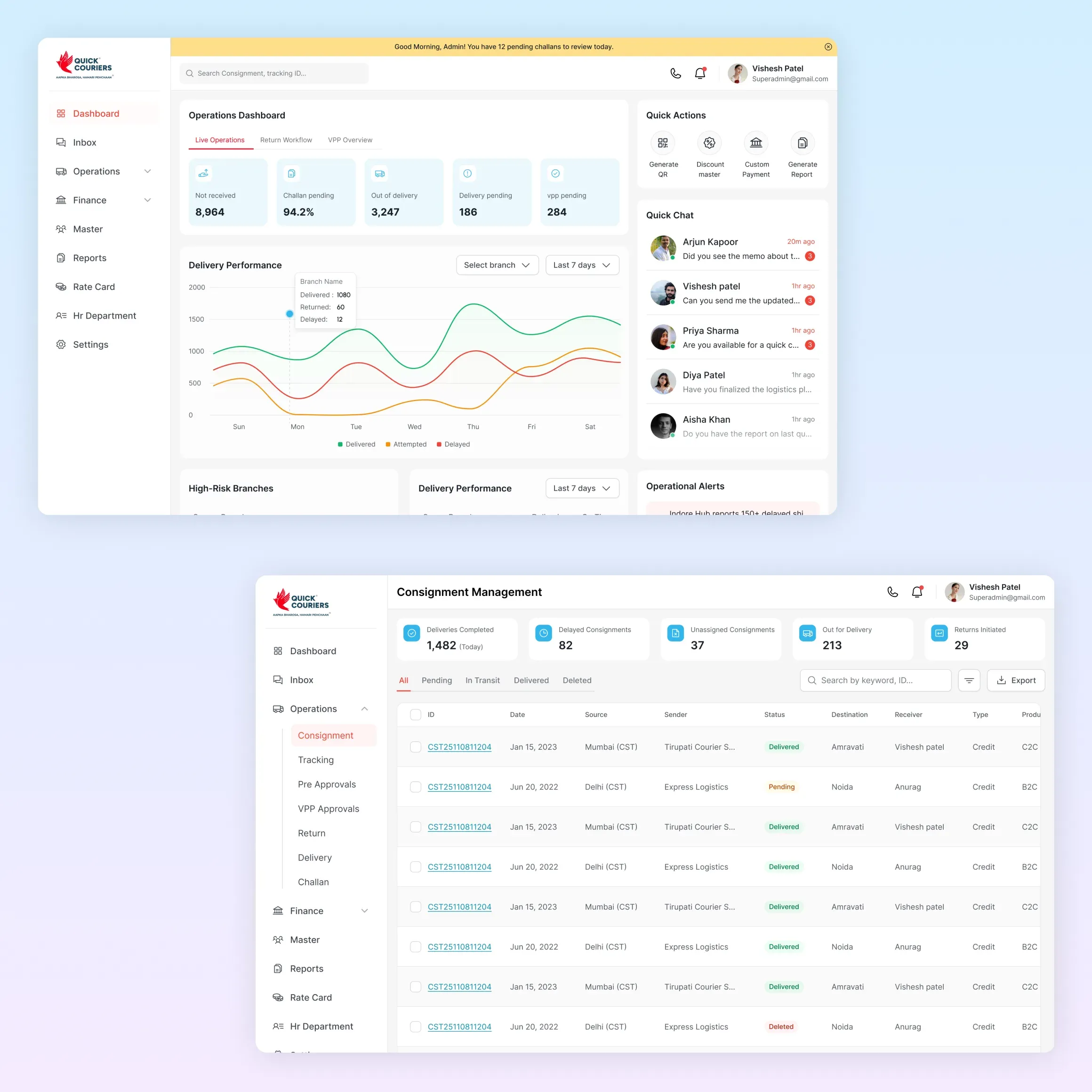
Built two WhatsApp AI agents and optimised cloud costs for a B2B logistics operator
2 agents
WhatsApp voice + B2B ordering live
AWS
Cloud optimised for cost-performance
Lower
Cost-to-serve on routine enquiries

 E-Commerce SaaS
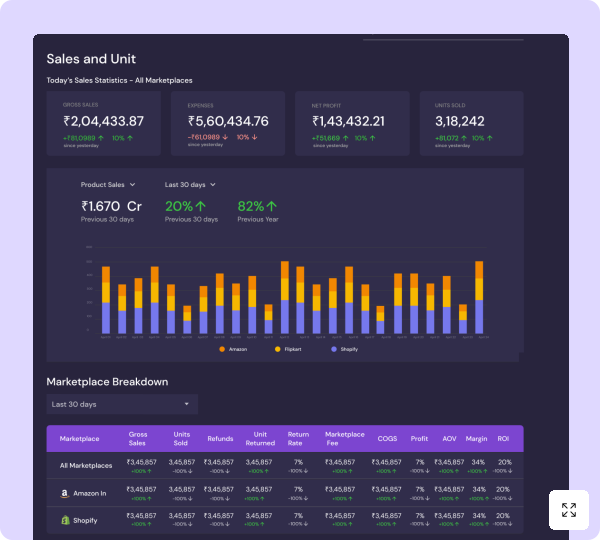
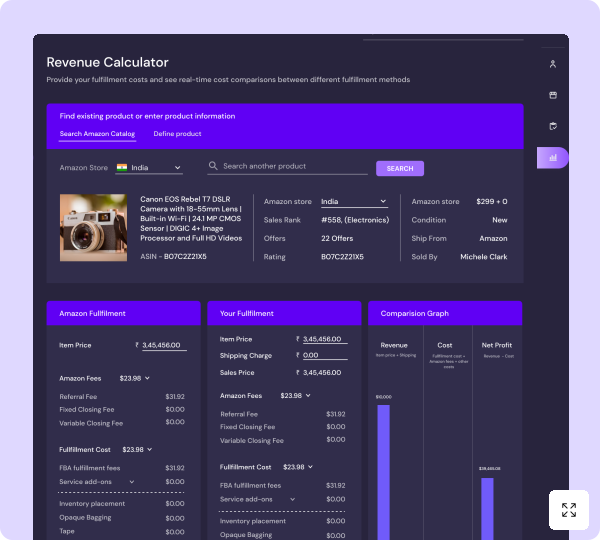
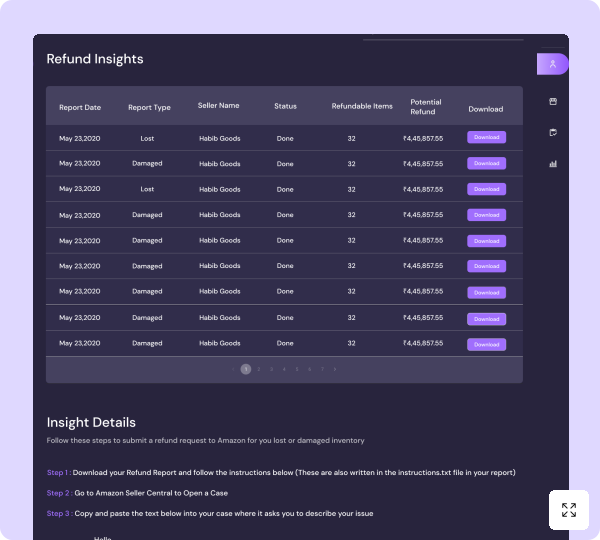
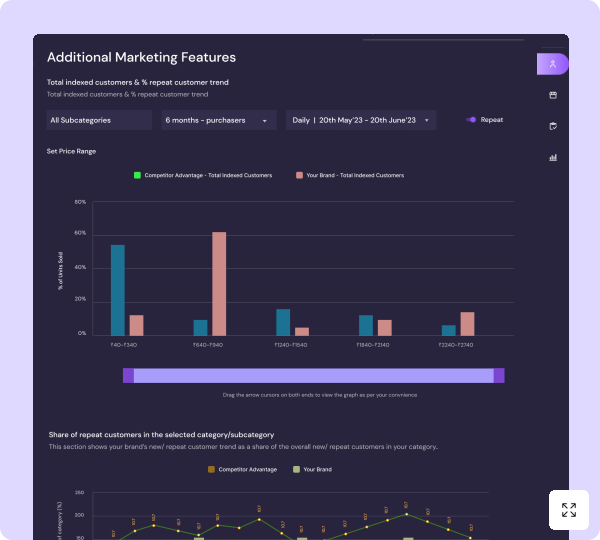
Democratized data access with a natural language analytics bot cutting reporting time by 50%
50%
Faster Reporting
Democratized Data Access
Natural Language Query

 Consumer
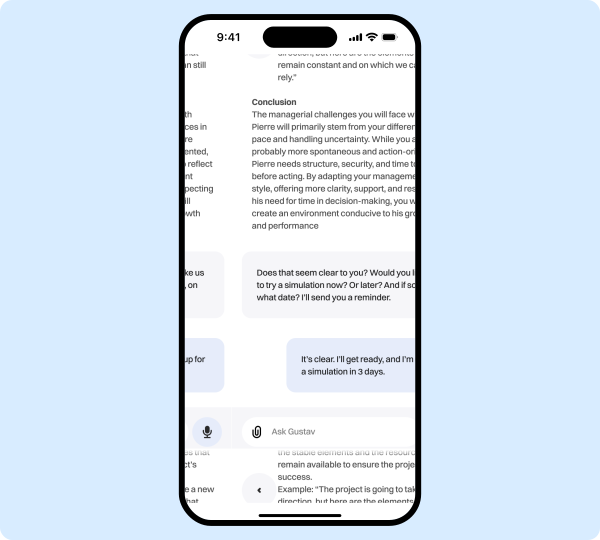
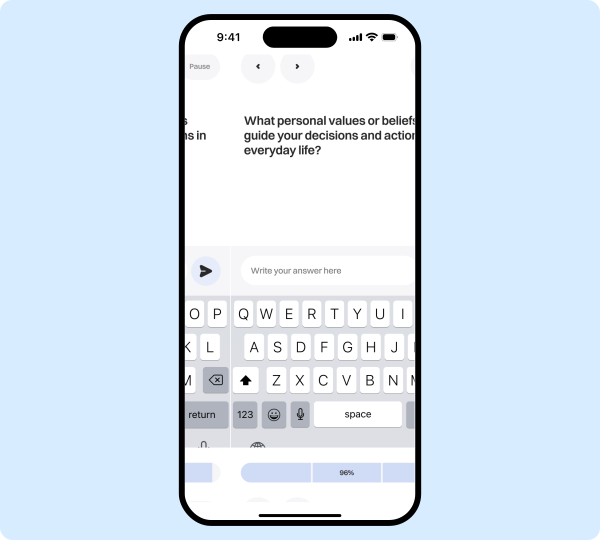
Built a conversational AI coach achieving 4.2/5 user satisfaction with 65% return rate
4.2/
User Satisfaction
3x
Average Session Length
65%
Return Rate
What is the difference between a chatbot and conversational AI?
An old style chatbot follows a decision tree. It only answers what it was scripted to answer and breaks the moment a customer phrases something in an unexpected way. Conversational AI is built on large language models, so it understands natural language, infers what the customer actually wants, and answers in context across a multi turn conversation. The practical result is that customers stop hunting for the magic words and simply talk, and the system keeps up.
The tradeoff is that a model that reasons freely can also make things up. That is why production conversational AI is never just a model behind a chat box. It is a model grounded in your real content, with tools it can call and guardrails around what it is allowed to say and do.
Are voice AI agents ready for production in 2026?
Yes. The speech models and low latency streaming that make a voice agent feel natural have matured to the point where voice is a real channel, not a demo. A production voice agent listens while the caller is still speaking, handles interruptions, and responds fast enough that the conversation does not feel stilted. We build voice agents that transcribe with Whisper class models, reason with a language model, and speak back, connected to your booking, ordering, or support systems so the call actually gets something done. Our voice AI agents production guide covers what separates a working voice agent from a fragile one.
How do you stop a conversational AI from giving wrong answers?
We ground it. Instead of letting the model answer from general training, we retrieve from your trusted sources, your product docs, policies, and data, and have the model answer from that material with the source attached. On top of retrieval we add guardrails that constrain what the assistant can say, validation on anything that touches a transaction, and a confidence threshold that hands the conversation to a person when the system is unsure. The combination is what turns a plausible sounding bot into one you can put in front of customers.
Which channels can conversational AI run on?
One assistant can serve many channels from the same core. We deploy to your website and app, to WhatsApp Business and other messaging platforms, and to voice for phone lines. The knowledge, the tools, and the guardrails are shared, so the assistant behaves consistently whether a customer types on the web or calls in, and you maintain one system rather than a separate bot per channel.
How do you keep a human in the loop?
Automation handles the volume, and people handle the exceptions. We set a confidence threshold and clear escalation rules, so routine questions are resolved end to end while anything sensitive, ambiguous, or high value is handed to a human agent with the full conversation history attached. Nothing irreversible happens without a person when the stakes call for it, and every handoff carries context so the customer never has to repeat themselves.
How much does a conversational AI system cost?
A focused assistant on a single channel is a modest build with usage based running costs, since most conversational AI is billed by conversation or by token consumed. A multi channel assistant with voice, deep system integrations, and retrieval over a large knowledge base costs more to build and to run. The honest driver is the integration and grounding surface rather than the chat interface itself, so we scope a clear estimate against your real use case before any number becomes a quote.
For a comparison of strong candidates across scenarios, see our guide to the best conversational AI companies.

Want to automate customer conversations without losing the human touch?
Talk to an ExpertFrequently Asked Questions
Rule-based chatbots follow predefined decision trees and only handle scenarios explicitly programmed. Conversational AI uses large language models to understand natural language, infer intent, and generate contextually appropriate responses. It handles unexpected questions, multi-turn conversations, and nuanced requests that rule-based bots cannot.
Conversational AI Insights
View all blogs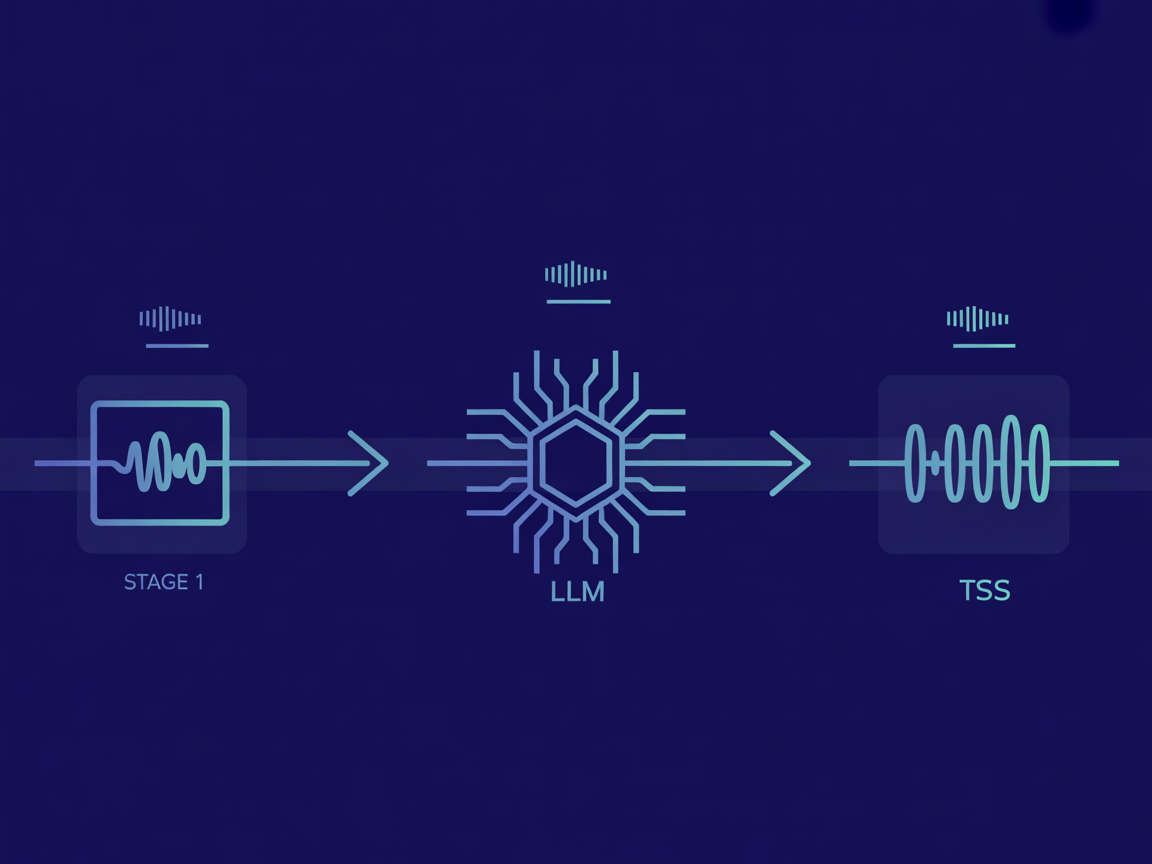

Let's Build The Next Big Thing
Fill in the form or schedule a meeting to map out a path to success.
Prefer to book directly?
🗓️ Schedule on Calendly →Or email us:
✉️sales@unicoconnect.com