










Built a three-portal marketplace MVP that connects customers, beauty and wellness providers, and the platform operator in one booking ecosystem
A Xano and React marketplace platform with separate customer, provider and admin portals, covering listing discovery, booking workflows, subscription-based provider monetisation and centralised admin moderation, designed for the Malaysian beauty, wellness and personal health services market.
Key Takeaways
A beauty and wellness marketplace operator came to Unico Connect to build the MVP of a three-portal platform: a customer portal for booking discovery, a provider portal for service businesses to manage their listings and bookings, and an admin portal for the platform team to moderate and operate the marketplace.
We delivered the platform on Xano and React, with subscription-based provider monetisation, location-based discovery, integrated payments, blog content management and the operational dashboards that a marketplace launch actually requires.

The Challenge
Beauty and wellness services are a category where local discovery is the entire game. A customer looking for a spa, a hair salon or a personal care treatment is typically searching within a specific geography, their city, their neighbourhood, their pin code, with specific category needs and specific timing constraints. Generic discovery experiences fail this category because the moment a customer cannot find what they want in their area, they abandon the platform and go to a search engine or a referral. Building a marketplace that wins this category requires getting the discovery experience right from launch.
The client came to Unico Connect with a marketplace thesis for the Malaysian beauty, wellness and personal health services market. Three audiences had to be served by the platform from launch. Customers needed a clean discovery experience with category-relevant filters, listing detail that helped them choose and a booking workflow that converted without friction. Providers needed onboarding that they could actually complete, listing management that did not require a tech team and a booking workflow that fitted their own operational rhythm. The platform operator needed the admin tooling to moderate provider quality, manage payments and run the marketplace as a business.
The strategic complexity sat in the provider monetisation model. Marketplaces in this category have to walk a line between accessibility, a low entry barrier to attract supply, and revenue, the platform needs to generate revenue beyond transaction fees alone. The client had designed a freemium model: a free plan with a higher commission rate and limited features, and a paid plan at $99 a month with lower commission, discount codes, priority listing, paid-only badges and other capabilities. Building the platform to handle this distinction cleanly was a substantial engineering decision that affected the data model, the booking flow and the admin controls.
The MVP scope was deliberately ambitious for a launch. Three portals, two provider tiers, integrated payments, location-based discovery, booking with cancellation logic, business reviews, dynamic pricing per date, role-based access for provider staff, blog content management. The client knew that a thin MVP would not validate the marketplace thesis. What they needed was a platform with enough surface to test whether customers and providers would actually adopt it.
The technical constraints were practical. The platform had to be delivered at a cost that fit a marketplace launch rather than enterprise infrastructure, but with the architecture that could scale beyond MVP if adoption justified it. Xano was the backend choice for its data discipline and operational economics. React was the front-end choice for the customer portal, which had to work on both desktop and mobile, and for the provider and admin portals, which are desktop-optimised since providers do operational work from desktops.
Our Approach

We engaged with the client as a product partner, with the engagement structured around designing and building all three portals as one coherent platform rather than as separate products. The first phase was UX research and design across all three audiences, with user personas grounded in actual Malaysian beauty and wellness market behaviour rather than generic marketplace assumptions. The information architecture and design system were established before the engineering work began, which kept the build focused and the surfaces internally consistent.
Key decisions:
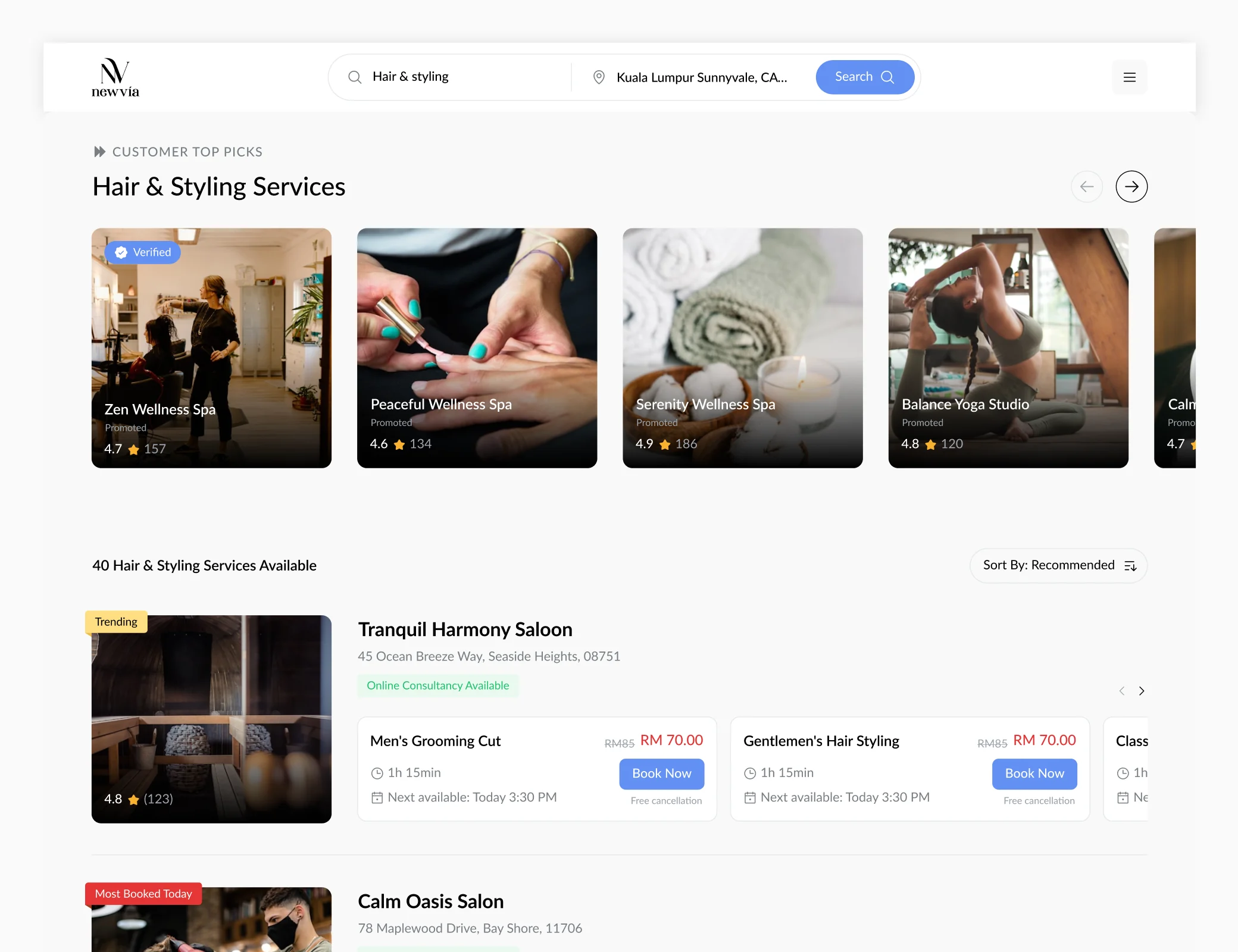
Customer discovery designed location-first
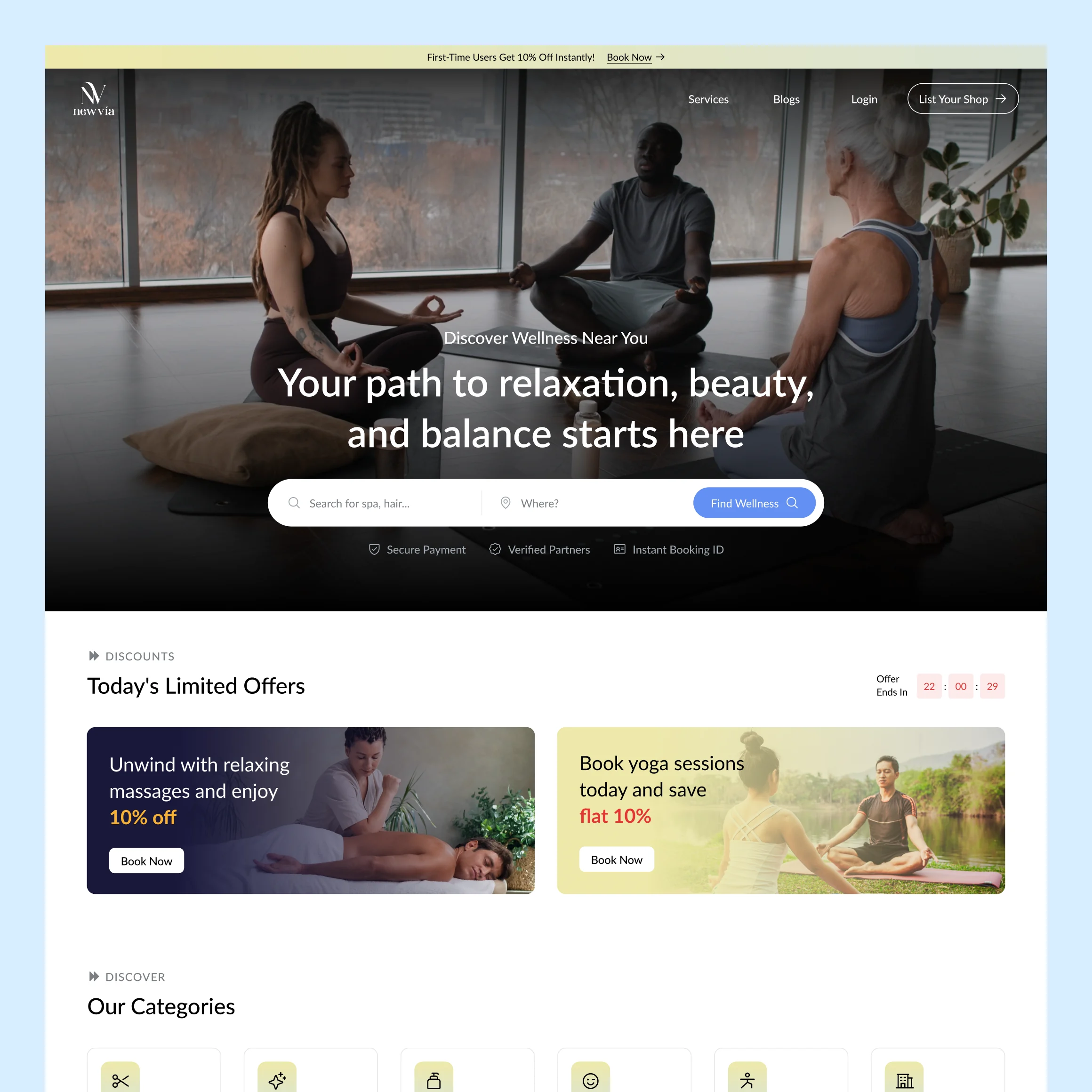
The location dropdown drives the listing surface, with category filters (spa, barber, salon, treatment, face) layered on top. Public browsing is allowed without sign-up, which is the right call for marketplace discovery. Sign-up is required only when the customer commits to a booking. This pattern matches how customers actually shop the category, a long discovery arc followed by a decisive booking moment.
Provider portal built around operational reality
The onboarding flow lets providers register, create their listing (business name, services, timings, location, availability, gallery), define service durations and pricing, and submit for platform approval. We recommended integrating Calendly for availability management rather than building that surface from scratch, because Calendly is the operational tool many providers in this category already use and replicating it would have absorbed engineering effort without producing better outcomes.
Subscription logic and admin controls built in from the start
Free providers get the basic listing experience with a higher commission rate of 15 percent. Paid providers at $99 a month get discount codes, priority listing, badges and a lower commission rate. A role management layer lets paid providers add staff with limited access, manage listing but no access to subscription and payments. The admin portal carries the moderation surfaces the operator actually needs: customer and provider management, listing approval, discount management, payment tracking, review approval and blog management.
The solution we built
The platform consists of three integrated portals on a shared Xano backend with React front ends. Each surface is designed for the operational rhythm of the audience it serves rather than for visual demo appeal, with the booking workflow integrated end-to-end across all three.
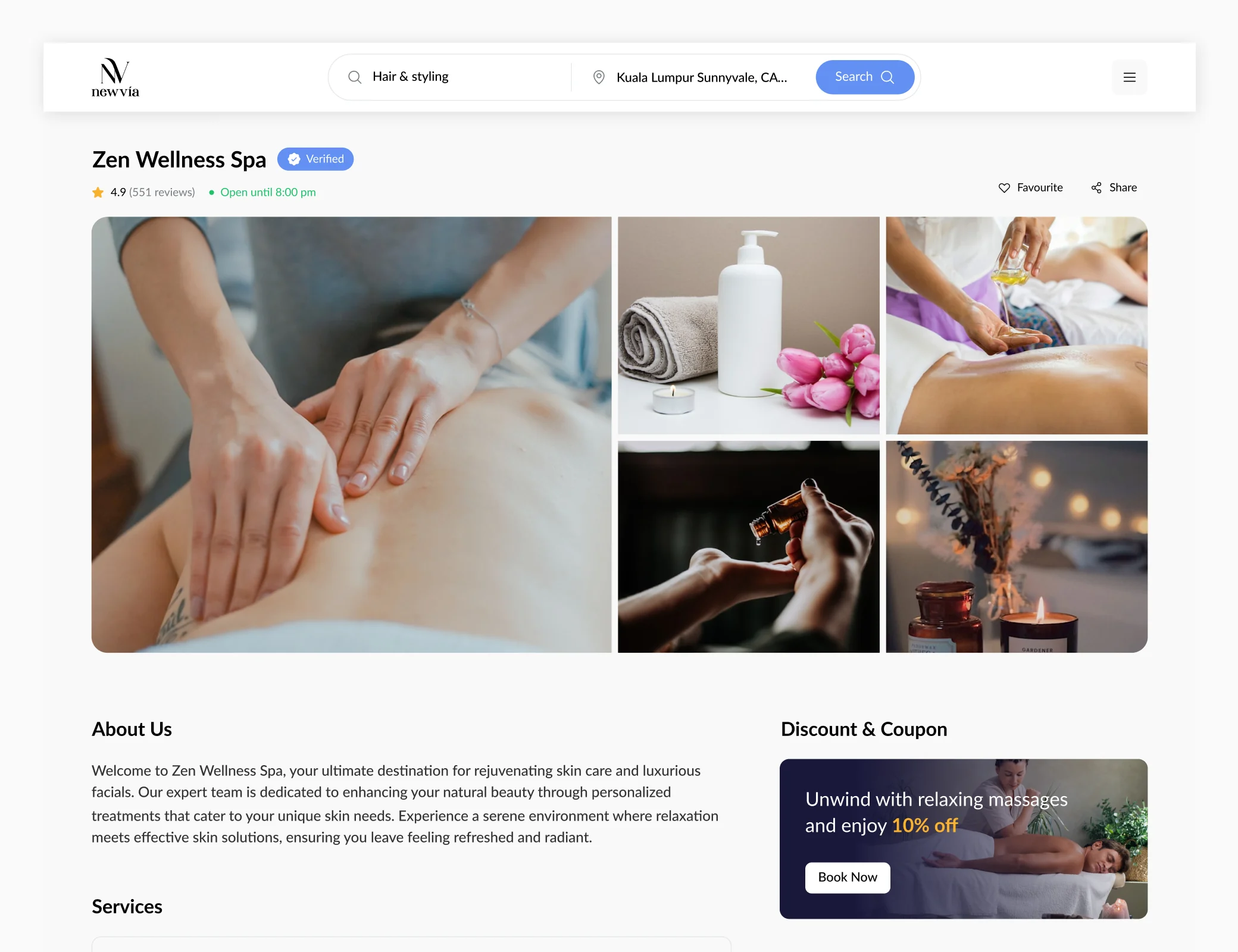
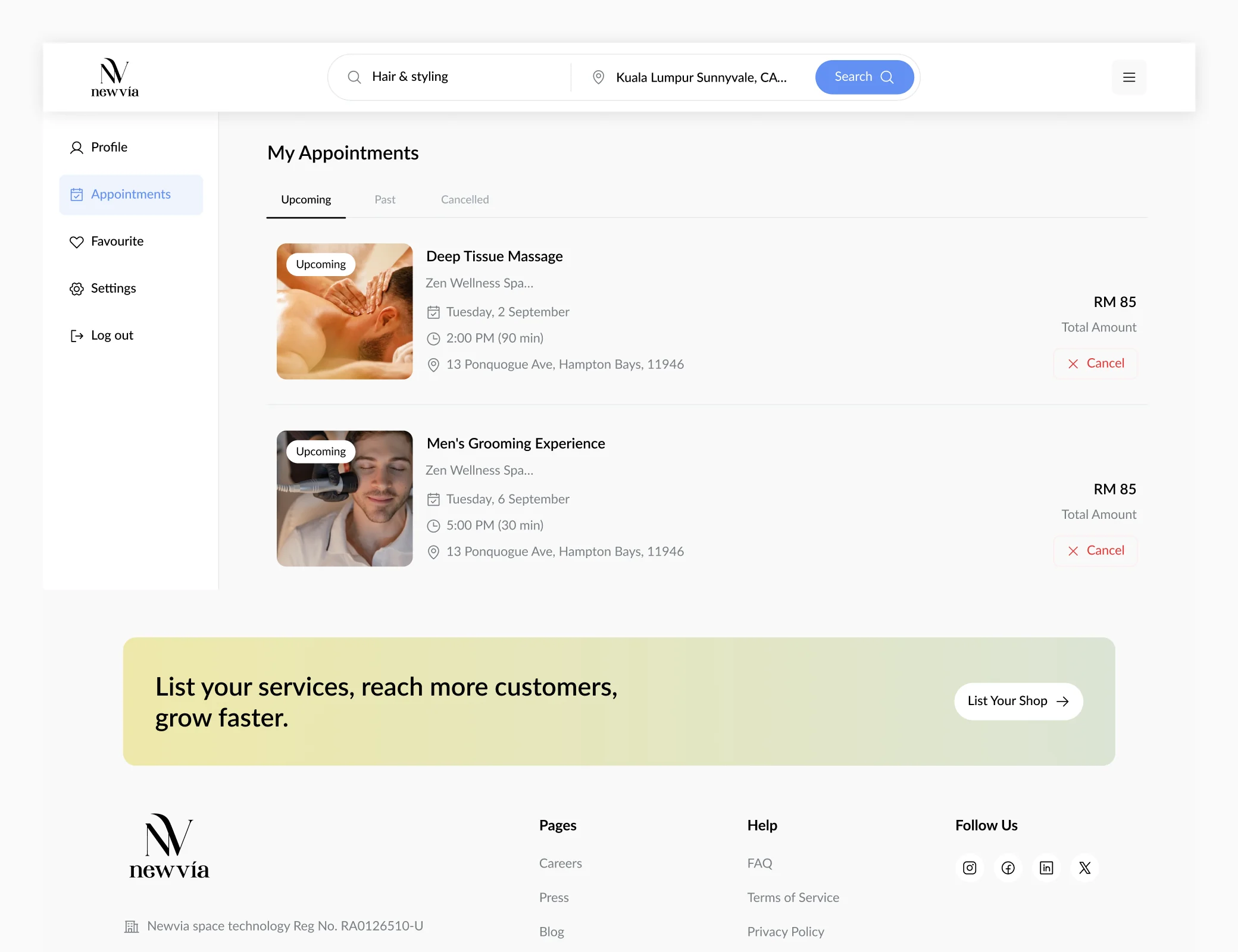
Customer discovery and dashboard
The homepage, listing discovery with location and category filters, listing detail with timings, services, location, reviews, availability and gallery, and a customer dashboard with upcoming bookings, past history, metrics, discount codes, business reviews and profile management. A blog with category filtering rounds out the consumer experience. The portal works on both desktop and mobile because customers shop the category from both contexts.
Provider onboarding and listing management
Providers go through onboarding with listing creation (business details, services, timing, location, availability, gallery) and submit for approval. Listing management handles the day-to-day work: defining service fees, managing availability with Calendly integration, and setting dynamic pricing by date.
Subscription monetisation and role management
The subscription surface handles free-versus-paid plan management with the upgrade path and the cancellation flow. Role management lets owners add staff with constrained access, manage listing without exposing subscription and payment surfaces, which matters operationally for businesses with multiple team members.
Provider bookings and dashboard
Bookings management gives providers their booking pipeline with confirm, decline and cancel actions, notifications and the operational visibility they need to run their business. Reviews appear with the option to flag inappropriate ones. The provider dashboard surfaces metrics around bookings, earnings (owner-only), reviews and subscription state.
Admin moderation and operations
Customer management gives the operator visibility into the customer base. Provider management includes the approval workflow for new listings, which is what controls platform quality. Discount management lets the operator create vouchers that paid-plan providers can use, payment management tracks transactions, earnings and payouts, and review management lets the operator approve or remove reviews. Blog management lets the operator publish categorised content for the customer portal.
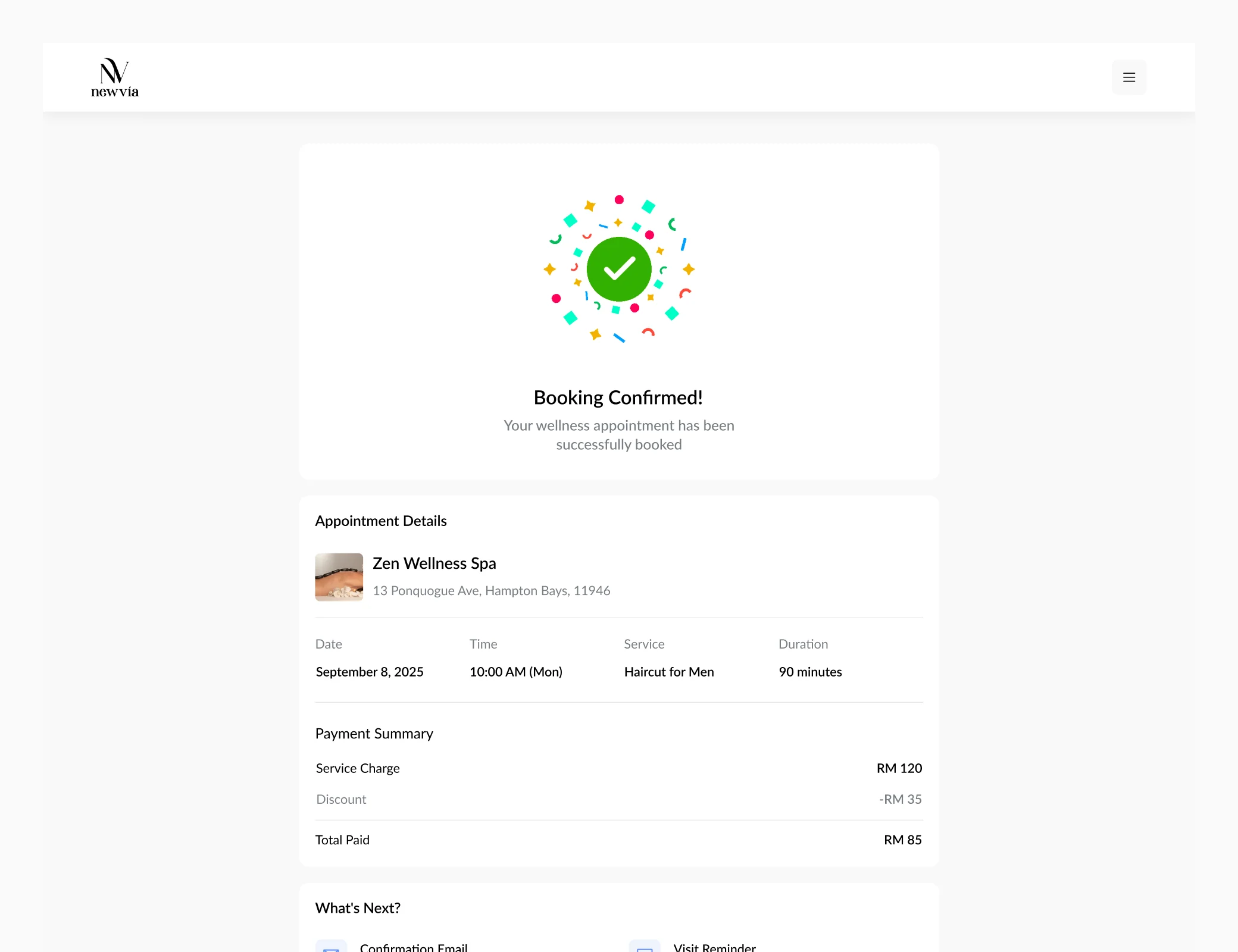
End-to-end booking workflow
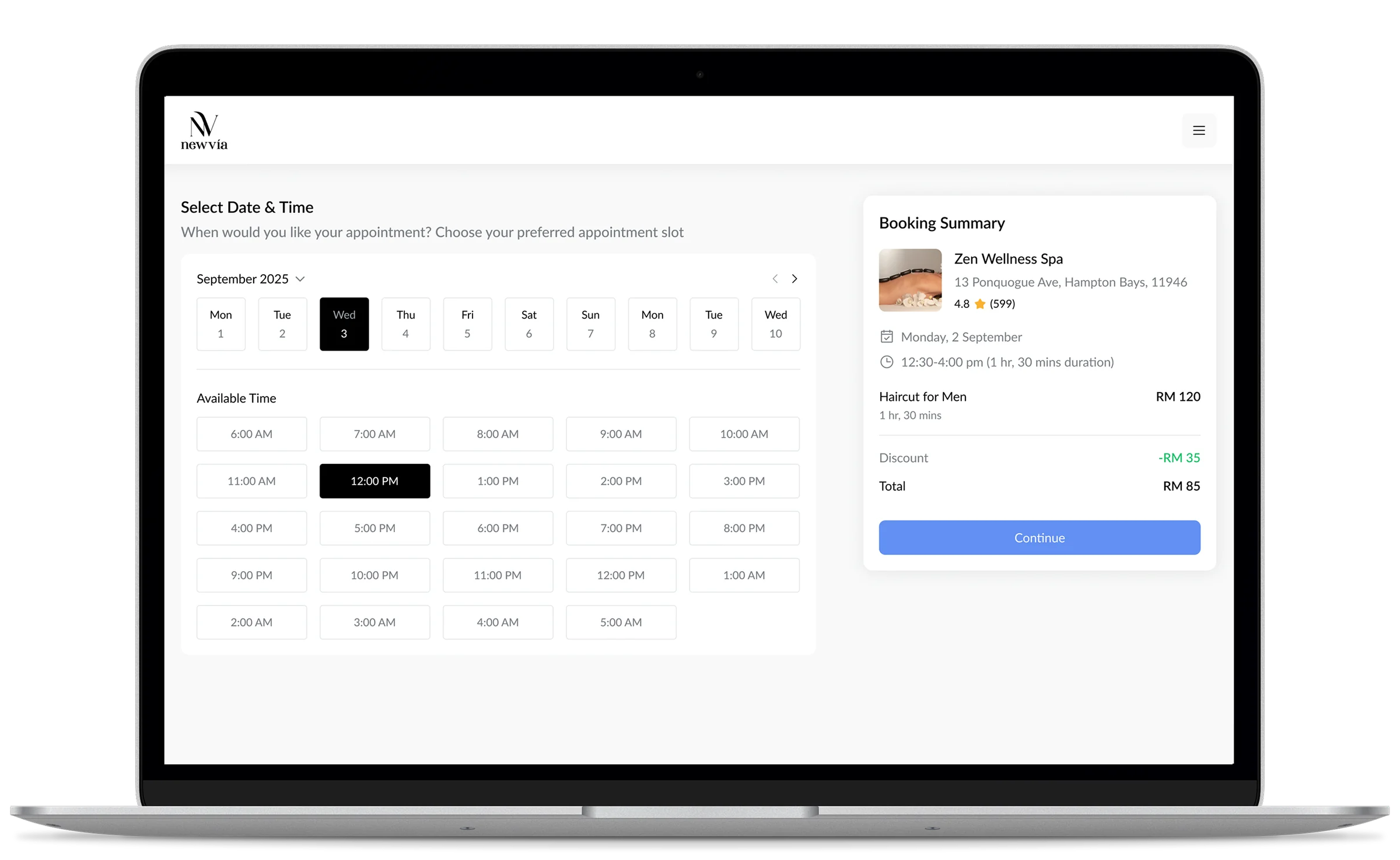
Customers search, select a provider, choose a service and time, complete payment and receive confirmation. Providers see new bookings instantly and can confirm, decline (no charge) or cancel after confirmation (with cancellation fee logic). Cancellations and refunds follow the platform policy logic rather than being handled manually.
Tech stack





Outcomes & Impact
Platform architecture
Three portals delivered as one coherent platform
The MVP is live with the customer, provider and admin portals that the marketplace thesis required, built on a shared Xano backend with React front ends so the three audiences operate against one consistent system.
Customer experience
Location-first discovery that closes the loop to booking
For customers, the platform delivers the location-first, category-relevant discovery this services category actually needs, with a booking flow that closes the loop from search to confirmation without forcing customers off the platform. The experience works across desktop and mobile.
Provider monetisation
Free and paid subscription tiers live from launch
The subscription monetisation model is live with both tiers serving real businesses. The Calendly integration keeps providers in the operational rhythm they already work in, and the role management layer lets providers with staff give their team access without exposing subscription and payment surfaces.
Operator tooling
A defined workflow for running the marketplace
For the platform operator, the admin portal provides provider approval, payment tracking, review moderation, discount management and content publishing. Running the platform is now a defined workflow rather than an ad-hoc combination of tools, and the architecture is built to extend with new categories, geographies and analytics as adoption grows.
Trusted and verified by our clients


 ISO/IEC 27001:2022
 ISO 9001:2015
 GDPR compliant
Frequently Asked Questions

Tell us about your project
Tell us about your platform, the audiences you serve and where you want it to be in twelve months. A 30-minute call with our team is the fastest way to find out whether Unico Connect is the right partner.
Prefer to book directly?
🗓️ Schedule on Calendly →Or email us:
✉️sales@unicoconnect.com