










What is React development?
React development is the engineering of user interfaces and web applications with React, the most widely used JavaScript library for building UIs. Single page apps, dashboards, SaaS products, and the front ends of AI tools. A React development company designs, builds, and ships these applications for you end to end, covering architecture, engineering, performance, testing, deployment, and long term support.
React earns its place through a huge component ecosystem, the largest front end talent pool in software, and a modern platform that keeps getting faster. We build React applications in strict TypeScript with Next.js, Vite, and the current React 19 feature set, and we have shipped them for education, retail, and analytics products with published results. This page is about project delivery. If you want React engineers embedded in your own team instead, see hire React developers.
What Production Grade React Looks Like
The gap between a React app that demos well and one that holds up in production is where most projects go wrong. Here is how we close it.
A Typical React Project
Client rendered by default
Ships a blank page to crawlers and slow first loads, then bolts on rendering later.
Loose typing
JavaScript or partial TypeScript, so bugs surface in production rather than at build time.
Manual performance work
Scattered useMemo and useCallback, and no measurement against Core Web Vitals.
Thin test coverage
Few automated tests, so every change risks a regression no one catches.
Stuck on old tooling
Built on deprecated Create React App with no clear upgrade path.
How We Build React
Rendering matched to intent
Server Components and SSR through Next.js where search and speed matter, Vite where they do not.
Strict TypeScript
Typed end to end, so whole classes of bugs are caught before they ship.
Performance as a target
React Compiler where it helps and Core Web Vitals measured as a delivery goal.
Tested and gated
Vitest and React Testing Library plus Playwright end to end, behind CI that blocks regressions.
Current and owned
React 19 on modern tooling, with full source and infrastructure in accounts you own.
React Development Services

Custom React Web Apps
Single page apps, dashboards, and SaaS products built to scale and to maintain over years.

Next.js & Server Rendering
App Router, Server Components, and streaming for public facing products that need speed and search visibility.

Performance & Core Web Vitals
Profiling and fixes for slow loads and poor interaction latency, including React Compiler adoption.

Component Libraries & Design Systems
Typed, reusable component systems with Storybook, so your product stays consistent as it grows.

Legacy React Modernization
Migrating Create React App and dated codebases to Vite or Next.js and bringing old React up to the current version.

React & AI Interfaces
Streaming LLM responses through Server Actions, chat interfaces, and retrieval augmented generation front ends.
Our React Technology Stack












React Products We Have Shipped
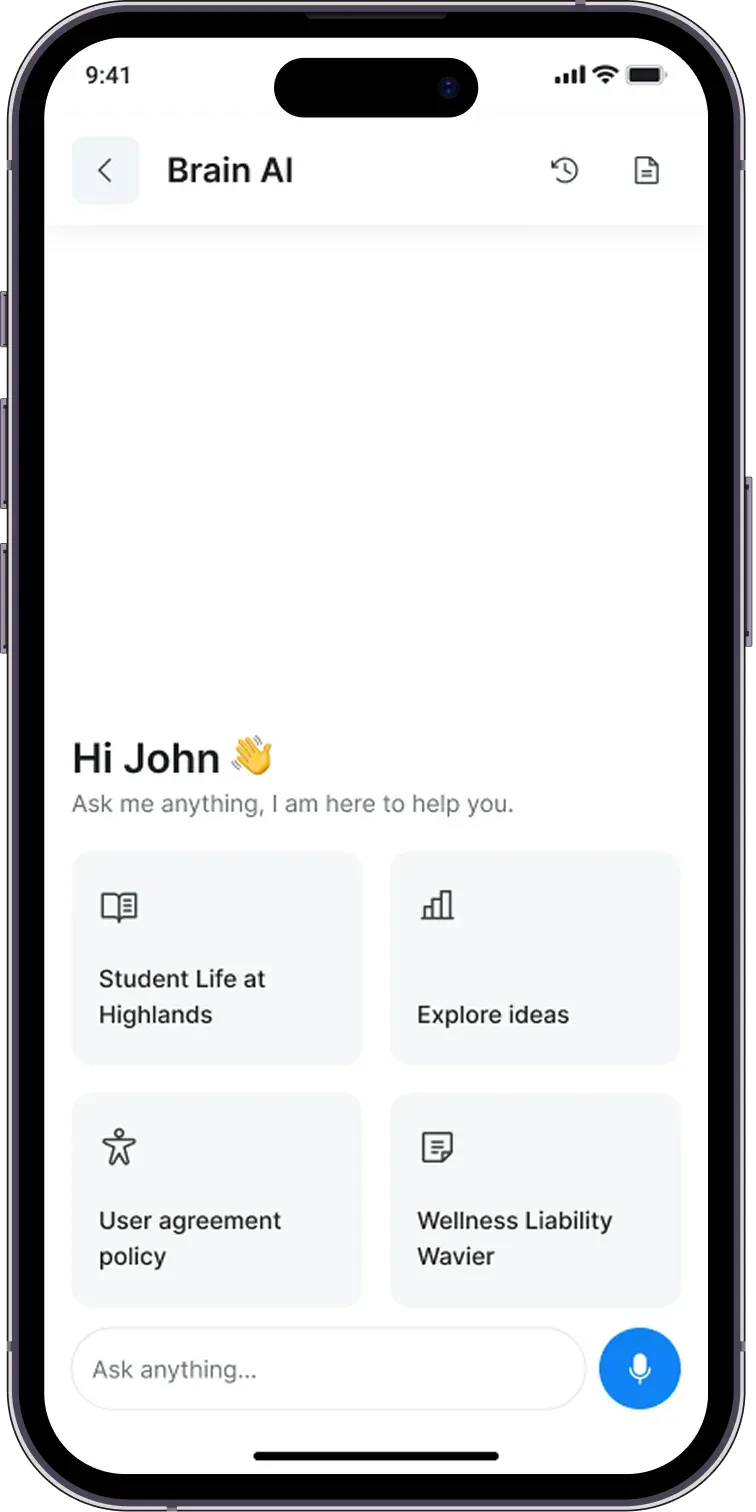
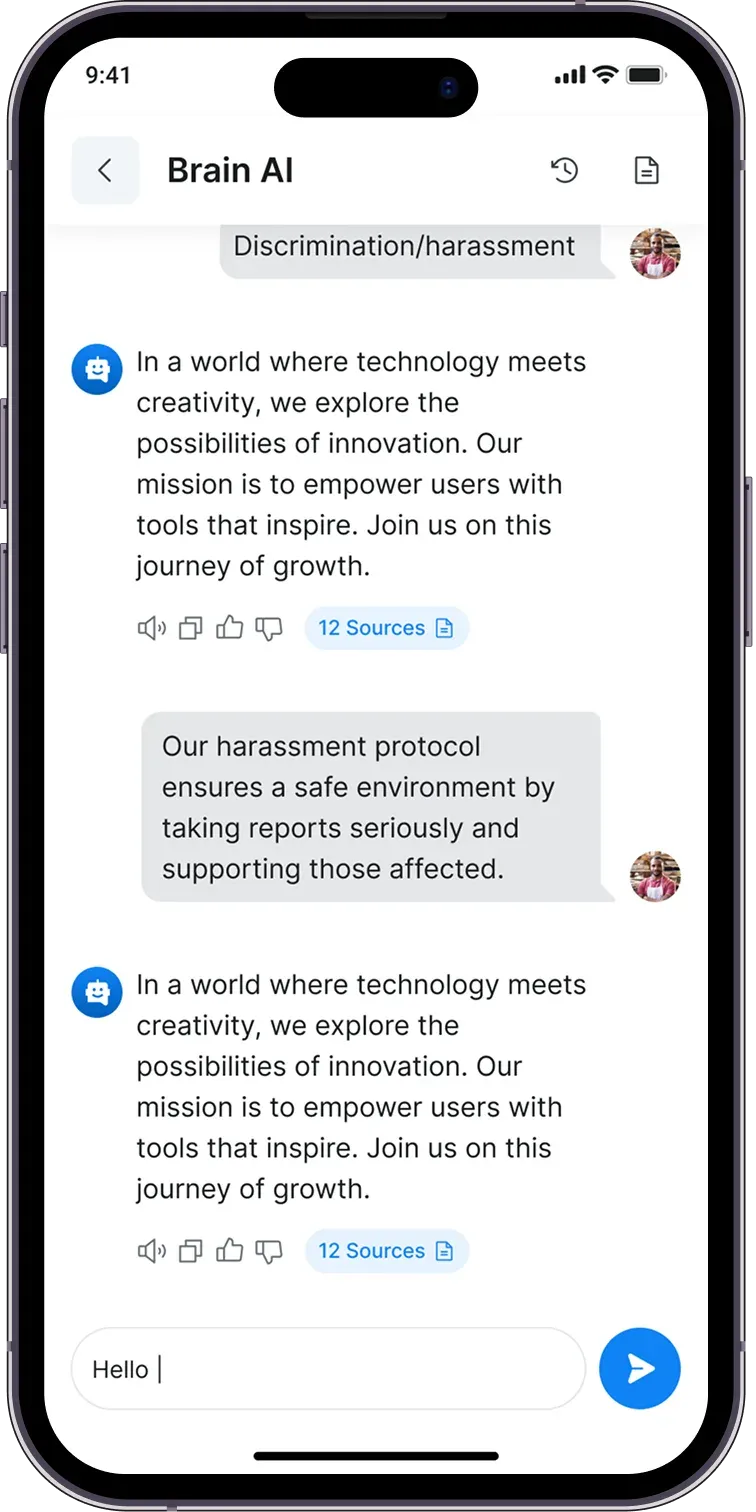
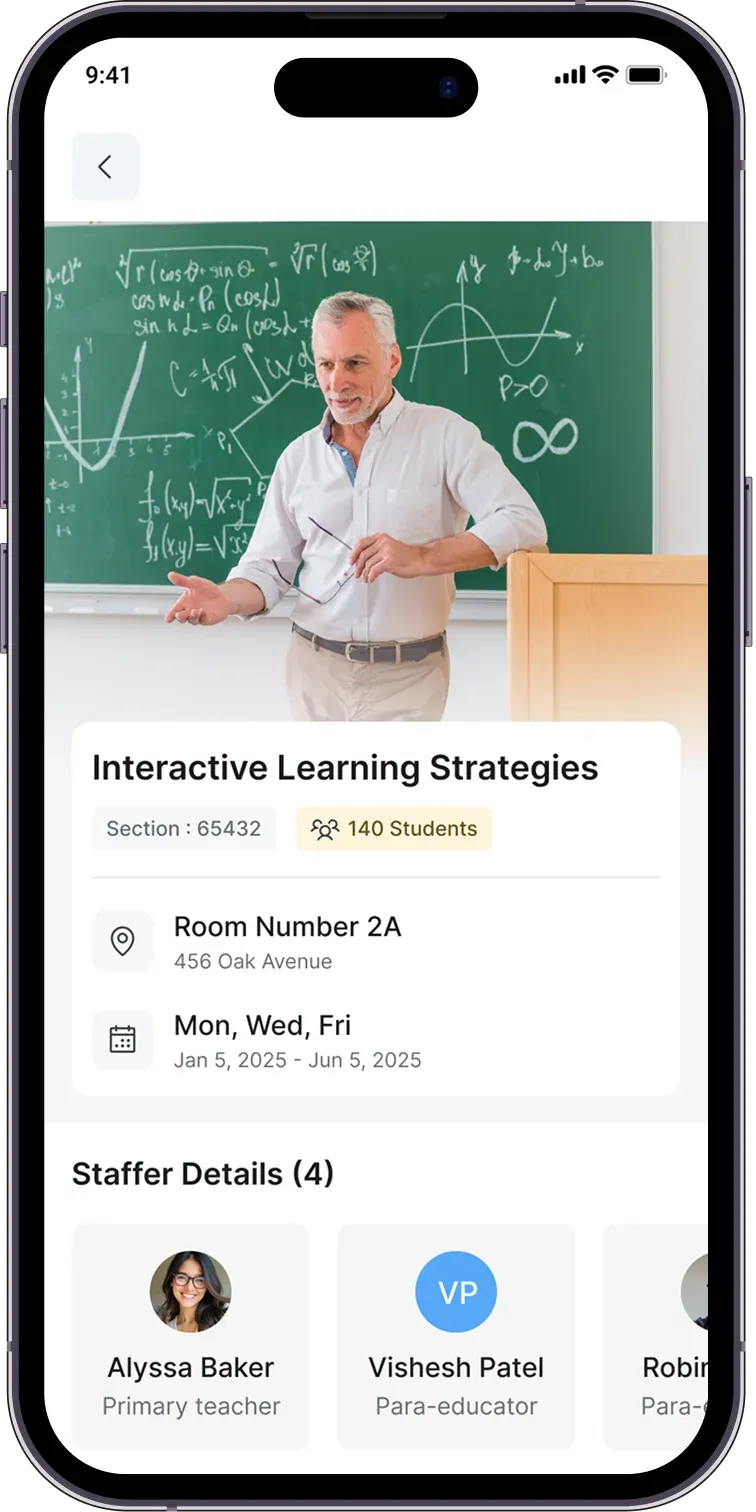
Built a unified web and mobile learning platform for 15,000+ students at Highlands
15,000+
Students served
97%
Two way translation accuracy
Web + mobile
One platform
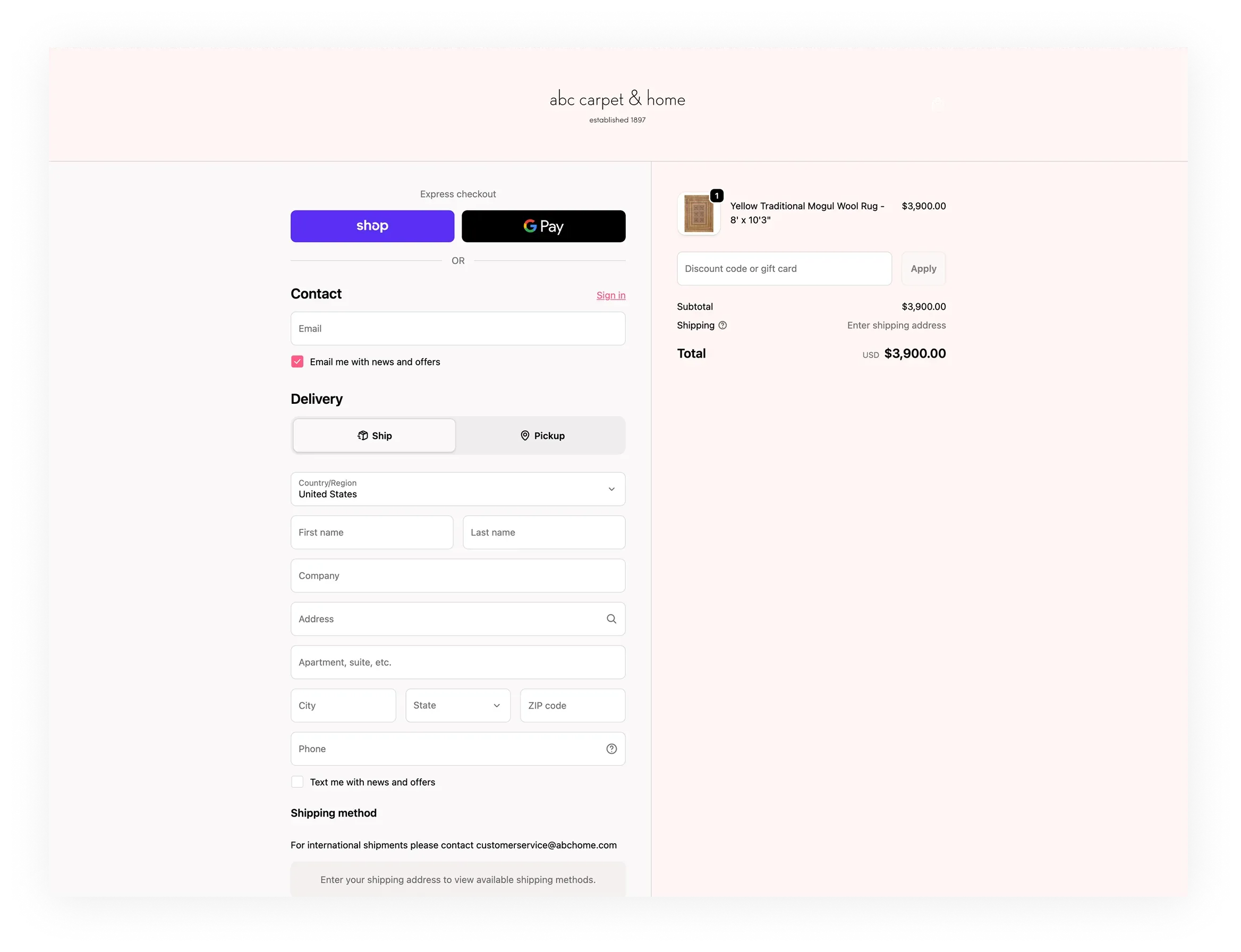
Rebuilt commerce for ABC Carpet and Home as a progressive web app across 200,000+ SKUs
+25%
Sales lift
200,000+
SKUs
PWA
Rebuilt commerce


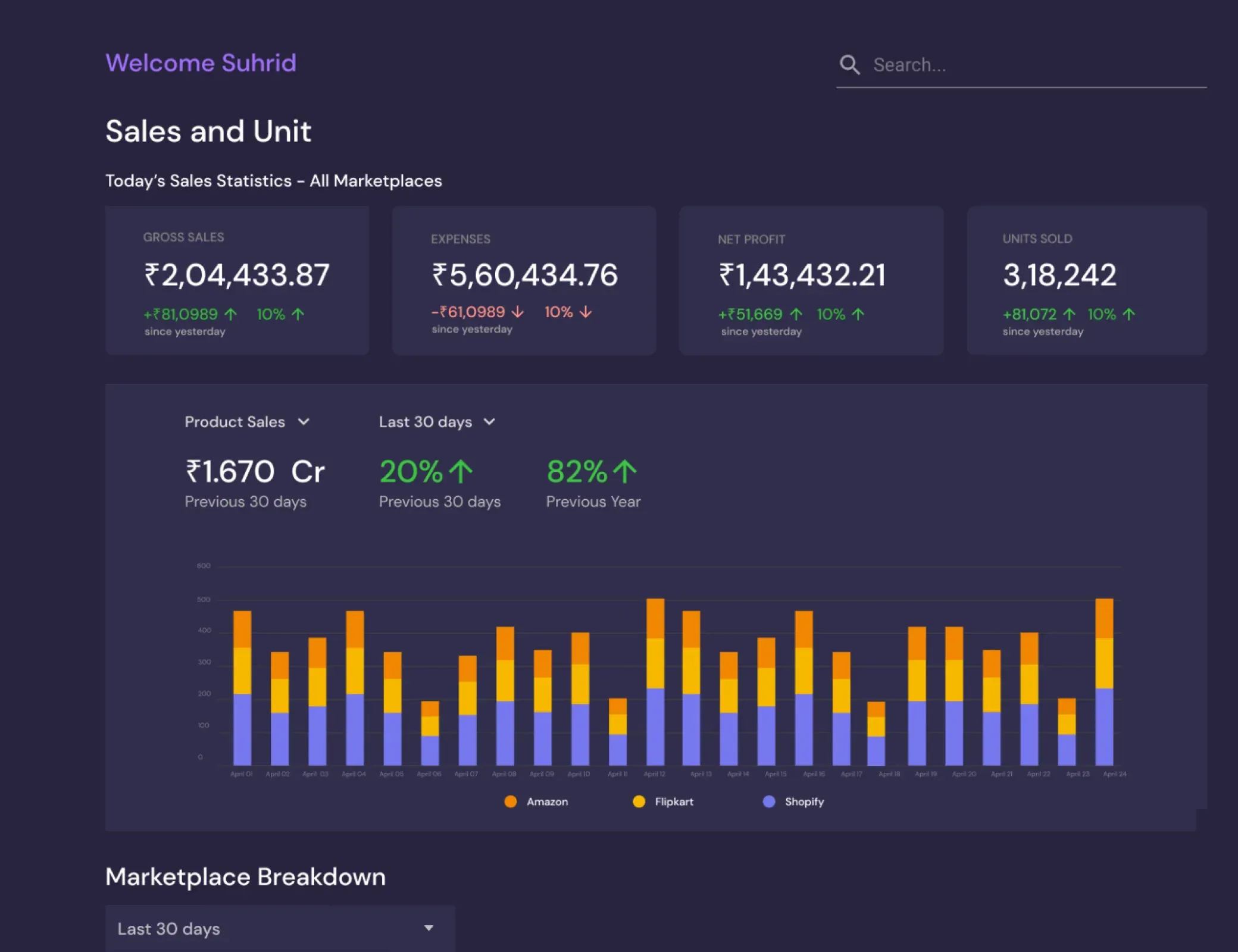
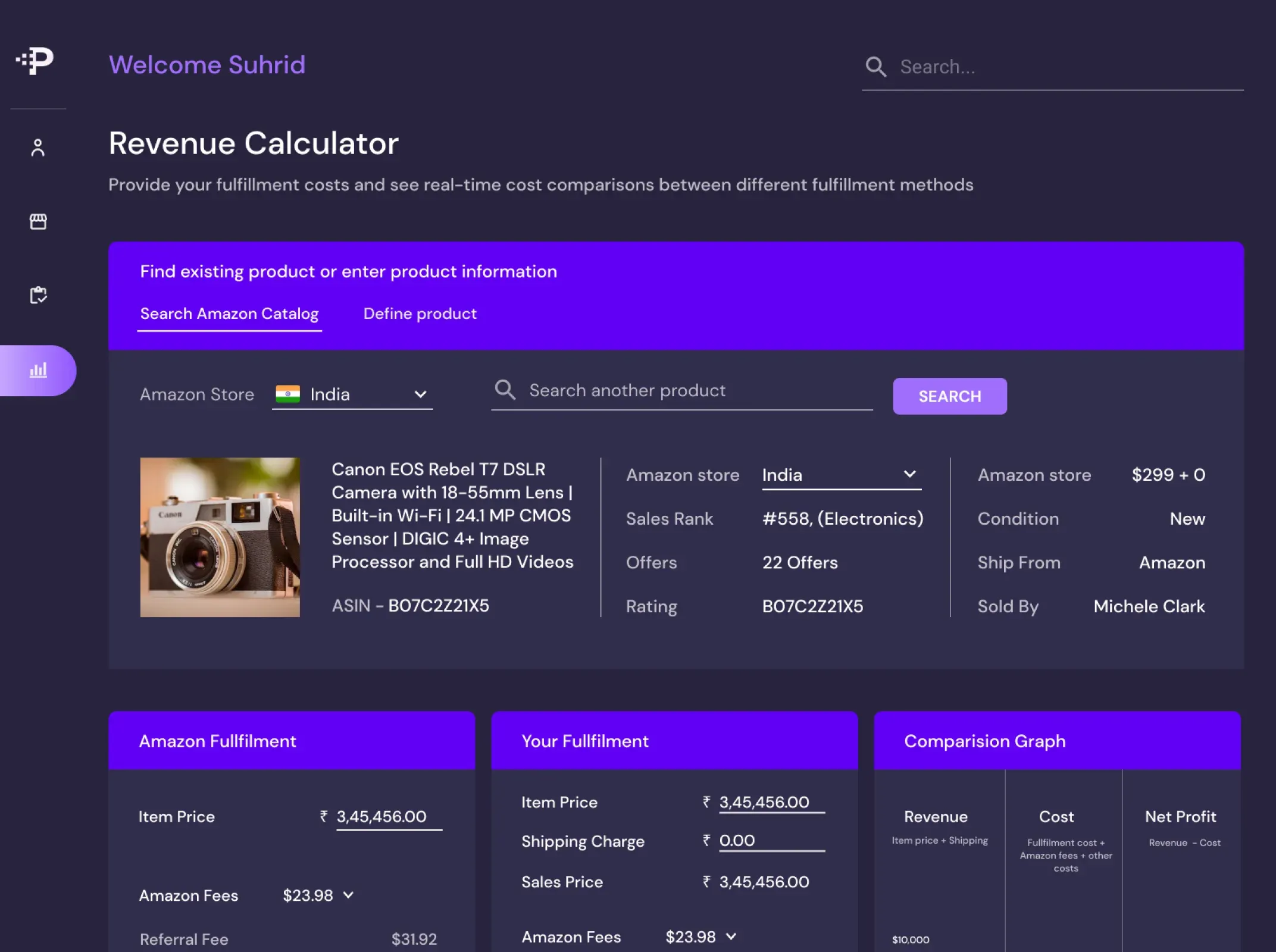
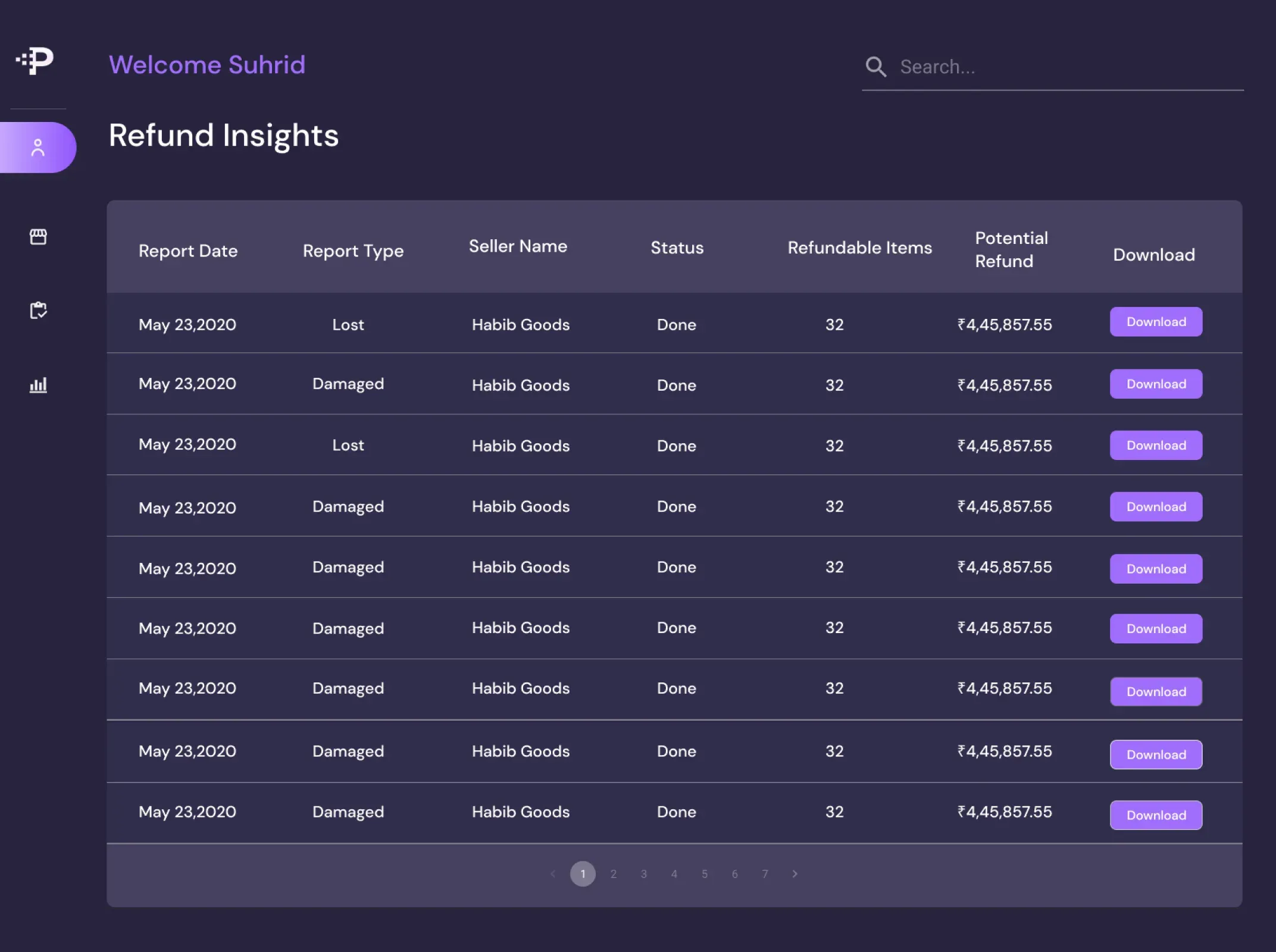
Shipped a React analytics dashboard for the EComm Pulse SaaS platform
Real time
Analytics
Reusable
Component system
SaaS
Built to scale
Why React in 2026 and When Is It the Right Choice
React remains the default choice for product interfaces, and 2026 is a strong moment for it. React 19, released at the end of 2024, brought Actions, the use API, first class Server Components, and built in document metadata, and the 19.2 release added the Activity component and better performance tooling. The bigger news for teams is the React Compiler, which reached its first stable release in late 2025. It memoizes your components automatically at build time, so the manual useMemo and useCallback work that used to fill React code is largely gone, and Meta reported production gains of up to 12 percent faster loads from it.
React is the right choice when you are building an interactive product interface, a dashboard, or a SaaS front end that a team will maintain for years. It is not always the right tool for a simple static marketing site, where a lighter setup can be enough. We tell clients which one their product actually needs rather than defaulting to the heaviest option.
React or Next.js, Which Does Your Product Need
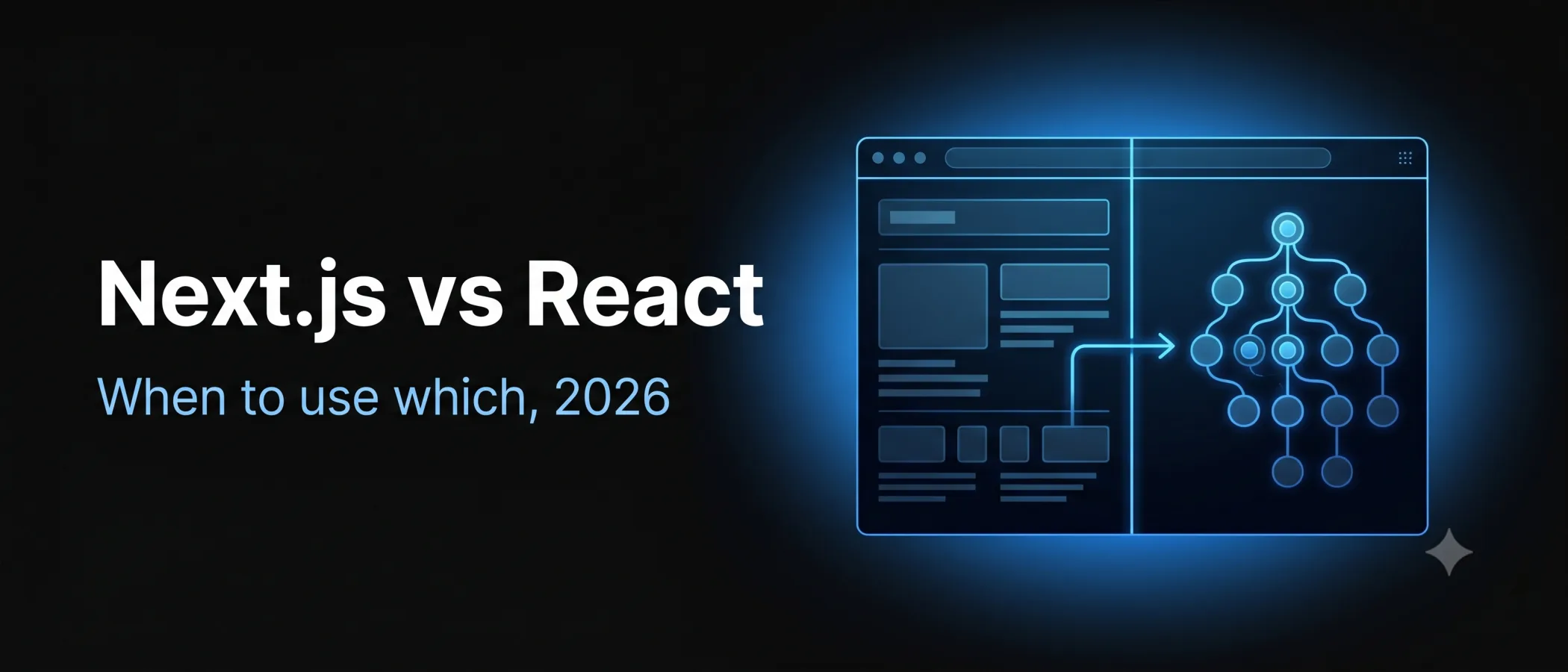
This is the most common question we get, and it is a false conflict. Next.js is a framework built on React, not an alternative to it. The real decision is about rendering. If your product is public facing and depends on search visibility, load speed, and server rendering, Next.js with its App Router and Server Components is the strong default, and it is now the most used way to build with React. If you are building an internal tool, an authenticated dashboard, or an app where search does not matter, plain React on Vite is a lighter and perfectly good choice. Note that Create React App was retired in early 2025, so new single page apps should start on Vite rather than the old tooling, and existing Create React App projects are worth migrating.
What React Development Services Does Unico Offer
- Custom React web apps. Single page apps, dashboards, and SaaS products built to scale and to maintain.
- Next.js and server rendering. App Router, Server Components, and streaming for public facing products that need speed and search visibility.
- React performance and Core Web Vitals. Profiling and fixes for slow loads and poor interaction latency, including React Compiler adoption.
- Component libraries and design systems. Typed, reusable component systems with Storybook so your product stays consistent as it grows.
- Legacy React modernization. Migrating Create React App and dated codebases to Vite or Next.js, and bringing old React up to the current version.
- React and AI interfaces. Streaming LLM responses through Server Actions, chat interfaces, and retrieval augmented generation front ends, which is where our AI native practice shows.
How Much Does React Development Cost
At our published estimate ranges, a focused React application or front end build costs $15,000 to $50,000. A mid sized product with multiple views, integrations, and role based access costs $50,000 to $150,000 over 3 to 6 months. Enterprise front ends run $150,000 and up. Our blended rate is $25 to $50 per hour, and US agencies typically quote 3 to 5 times more for identical scope. Cost is driven by the number of distinct interfaces, the depth of integrations, and design complexity more than by raw page count. The software cost guide has the full breakdown and a calculator.
How We Build React That Holds Up
We are an AI native team. Roughly 80 percent of our production code is AI generated and engineer reviewed, verified by our internal team, which lets a senior React team move at startup pace without giving up review discipline. Every build ships in strict TypeScript, with a component test suite in Vitest and React Testing Library, end to end tests in Playwright, and continuous integration that blocks regressions. We treat Core Web Vitals as a delivery target, not an afterthought, and we adopt the React Compiler where it helps. We operate an ISO/IEC 27001:2022 certified information security management system, and you own the full source, documentation, and infrastructure from day one.

Have a React product to build or an old one to modernize?
Talk to our teamPRICING
Transparent pricing, published
$15,000 to $50,000
focused React apps and front ends
$50,000 to $150,000+
products, dashboards, and integrations
Published estimate ranges at a blended rate of $25 to $50 per hour. Every project is scoped individually before any number becomes a quote.
See the software cost guide + calculatorReact Development FAQs
A React development company designs, builds, and ships user interfaces and web applications with React. That covers single page apps, dashboards, SaaS products, and the front ends of AI tools, across architecture, engineering, performance, testing, deployment into infrastructure you own, and ongoing support. It differs from hiring individual React developers, which is staff augmentation. We offer both models, and this page covers project delivery.


Build your React product with a senior team
Tell us what you are building. We will get back to you within one business day.
Prefer to book directly?
🗓️ Schedule on Calendly →Or email us
✉️sales@unicoconnect.com