








Rebuilt consumer and configurator apps for a smart home product line, doubling satisfaction and cutting setup time by 40 percent
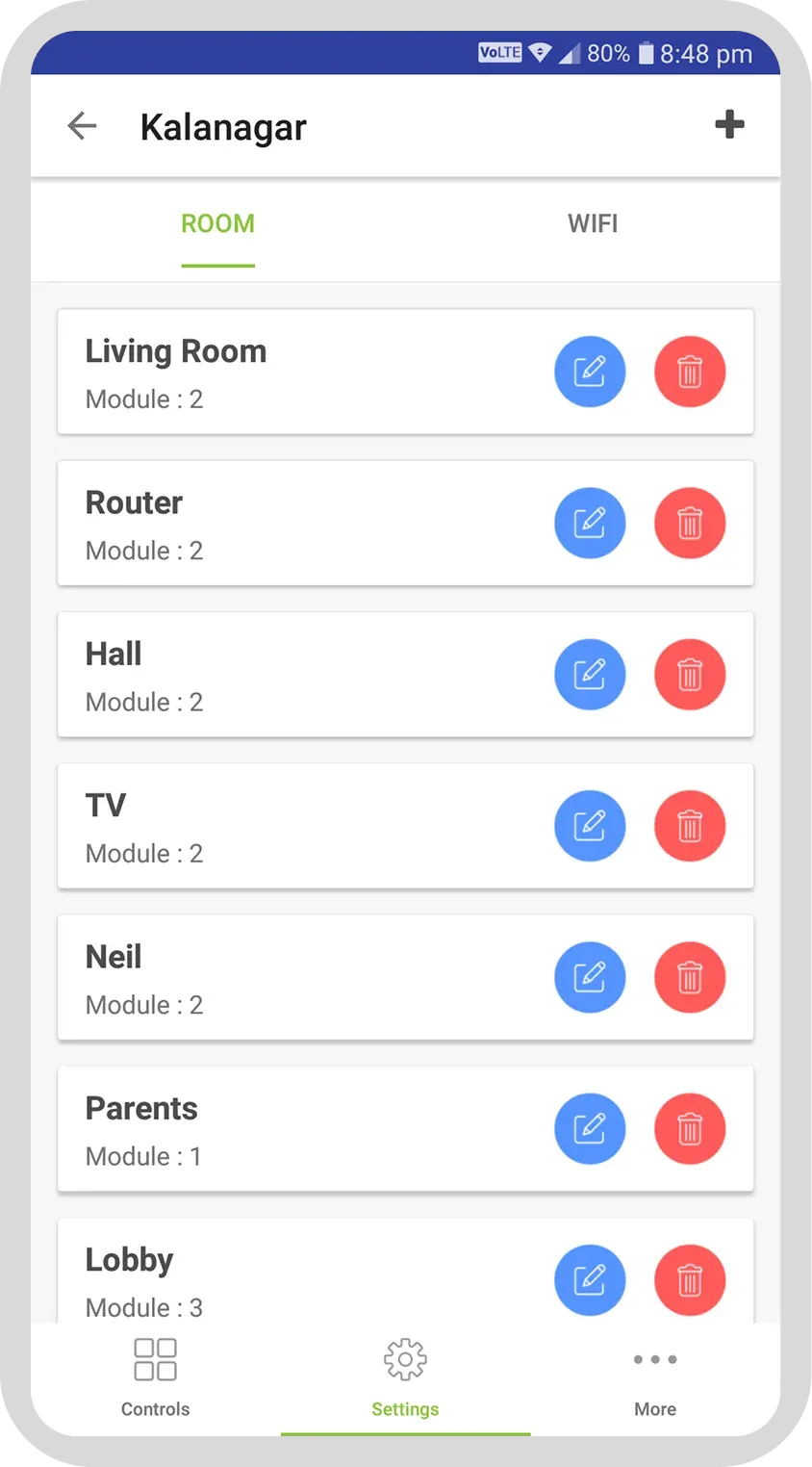
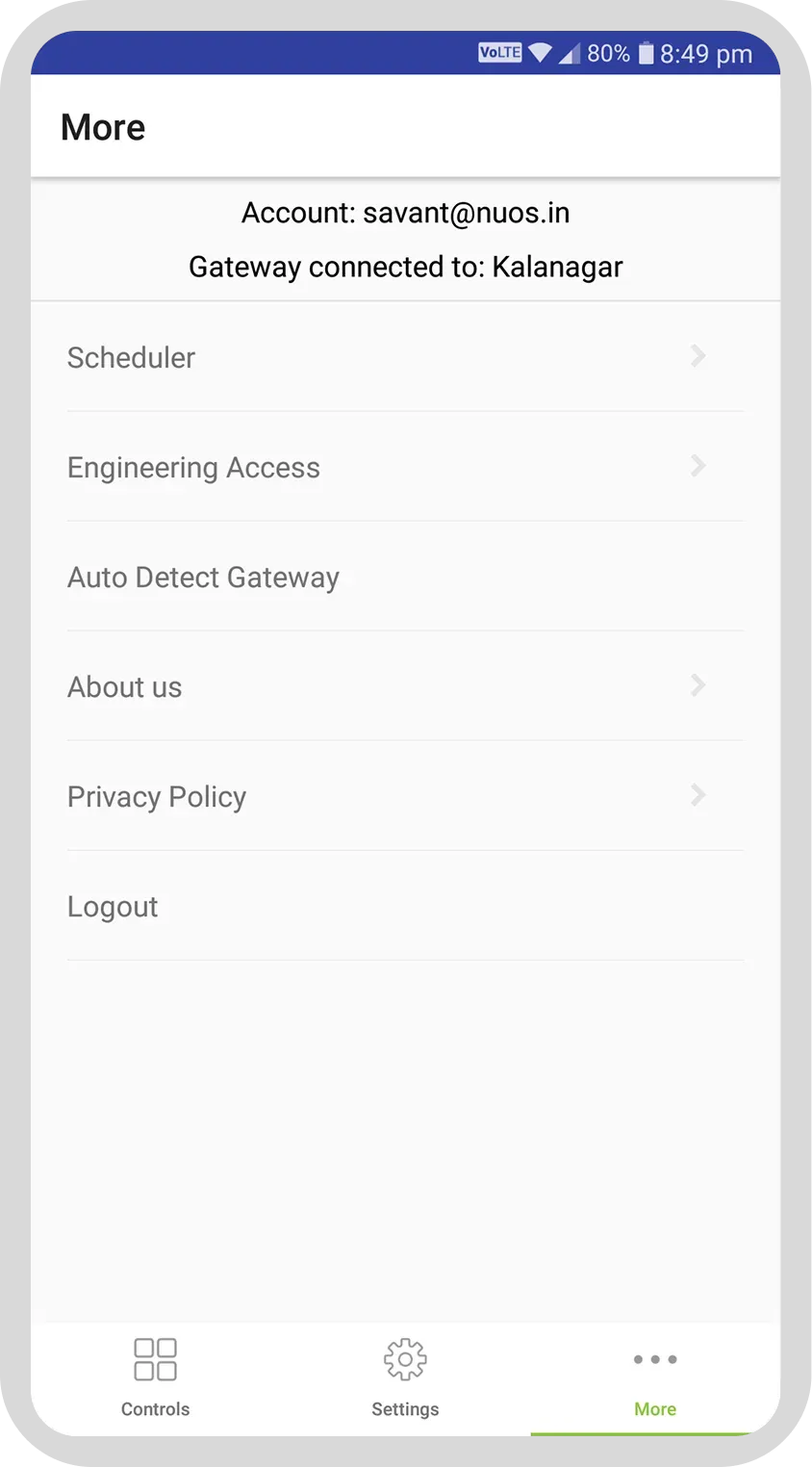
Two native mobile apps for a smart home automation brand: a consumer app for everyday control of lighting, climate, security and entertainment, and a configurator app for installers to set up smart devices across rooms and floors.
Key Takeaways
Nuos is a smart home automation company offering integrated solutions for lighting, climate, security and entertainment via mobile and IoT systems. Unico Connect rebuilt both consumer and configurator apps natively on Swift for iOS and Kotlin for Android, replacing an MVP Android-only app that did not scale.
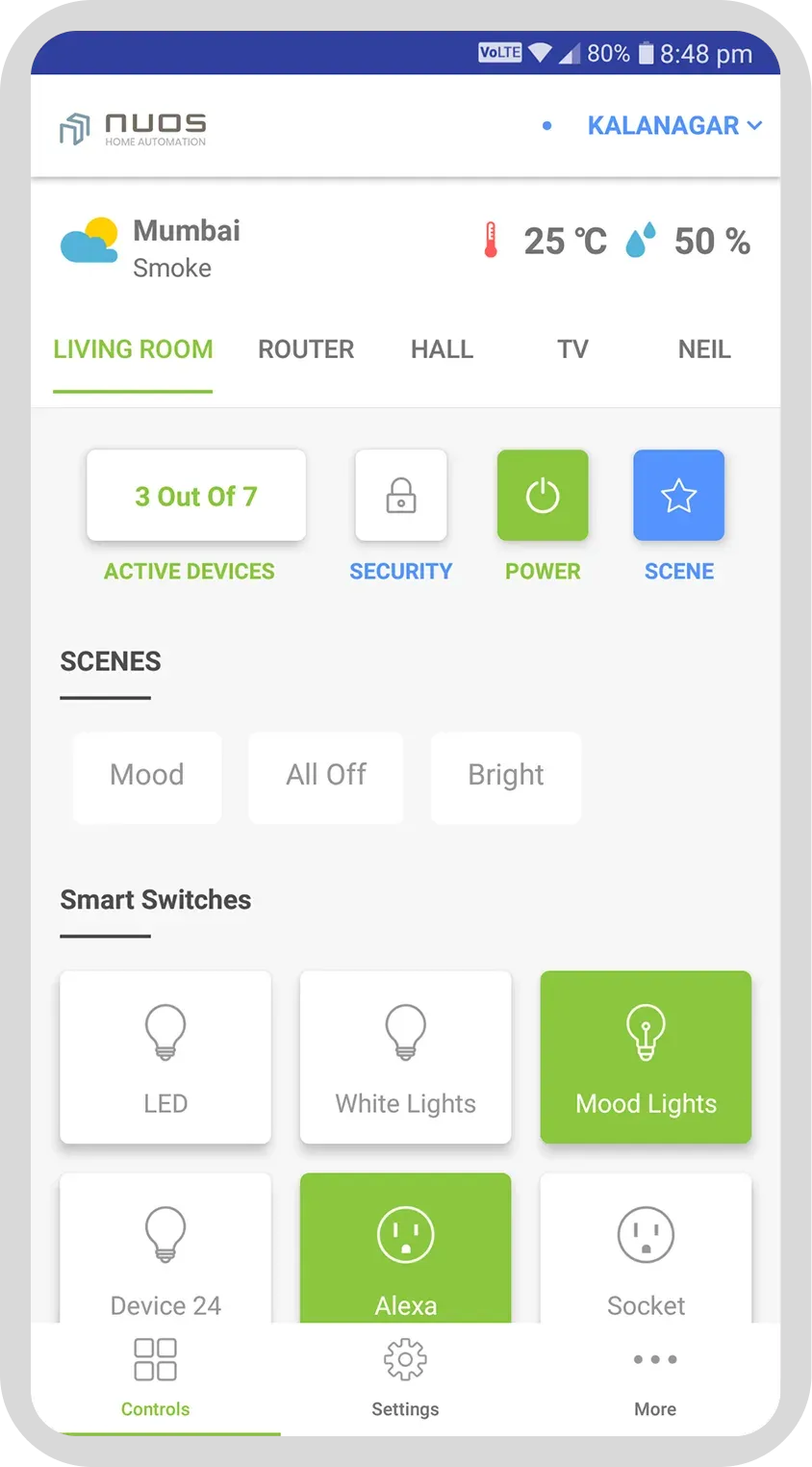
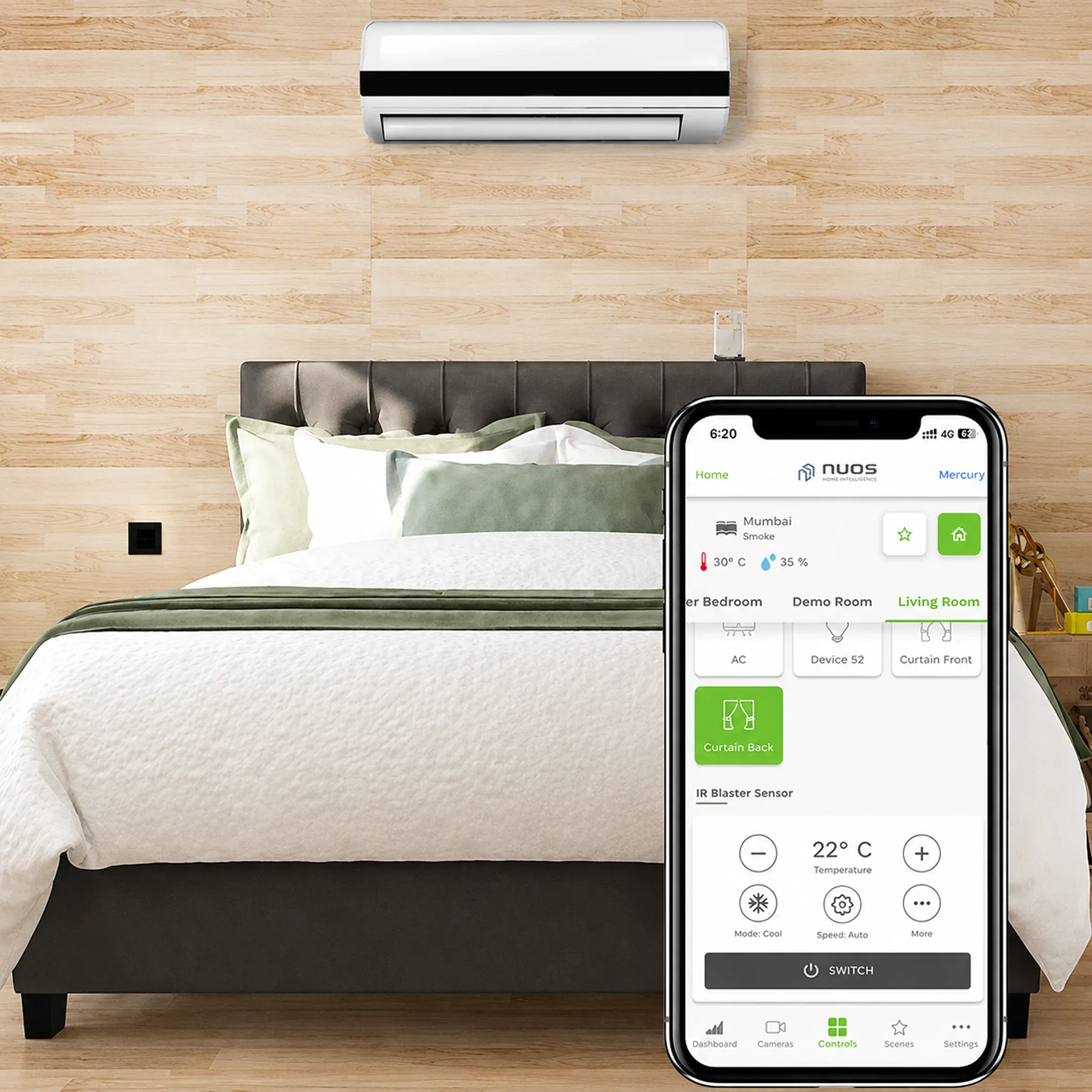
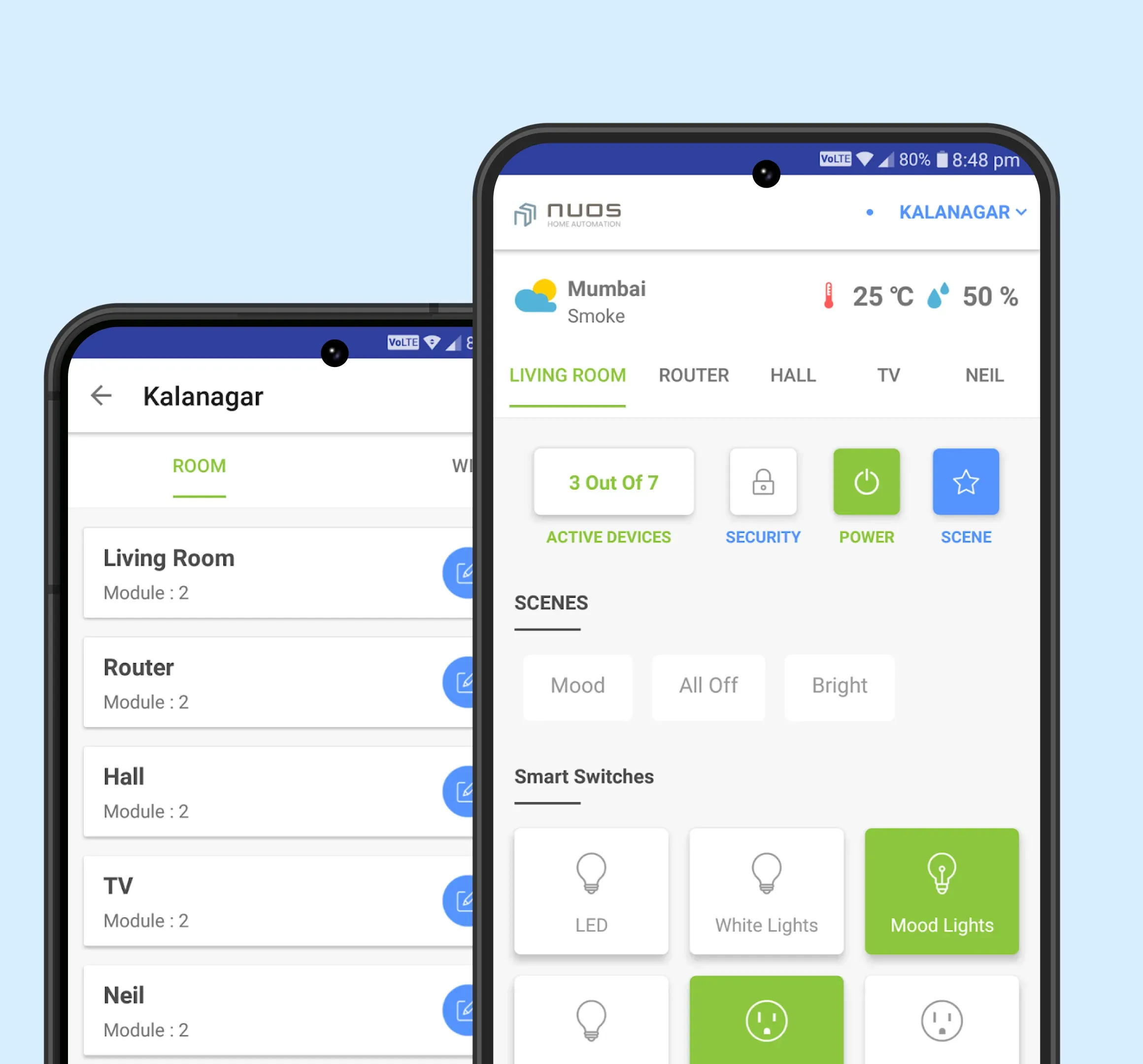
The consumer app delivers intuitive control of lights, appliances and scenes; the configurator lets technicians set up devices across rooms and floors. The result is a 2x improvement in consumer app satisfaction, 40 percent faster configuration and stronger adoption during demos and onboarding.
The Challenge
Nuos had a smart home product line that was selling, but on a mobile stack built as an MVP that was now limiting the business. The existing app was Android-only, built quickly to validate the proposition, and not architected to scale as the hardware matured and the customer base grew.
The app is the customer’s primary interface with the system, so its limited feature set and dated experience hurt brand perception and adoption. On the installer side, the setup process was complex and inefficient, slowing deployments and frustrating both technicians and homeowners.
The plan was clear: rebuild both apps natively, extend to iOS, modernise the consumer experience to match the hardware, and build the configurator as a separate purpose-built installer tool. The architectural work underneath that rebuild is what the engagement was structured around.
Our Approach
We engaged on both mobile apps and the supporting backend, structured around the parallel rebuild of the consumer and configurator apps.
Key decisions:
Native over cross-platform
For an app that talks to physical devices in near real time, Swift and Kotlin give the headroom to handle device communication, state sync and connectivity recovery without abstraction overhead.
Two products, not one with two modes
Consumers want ambient everyday control; installers need device-level setup tools matching field workflows. Splitting the apps let each be tuned to its actual user.
Design for real home networks
Explicit reconnect behaviour, local fallback and clear signals when something is wrong — keeping user trust intact even when the network is not cooperating.
The solution we built
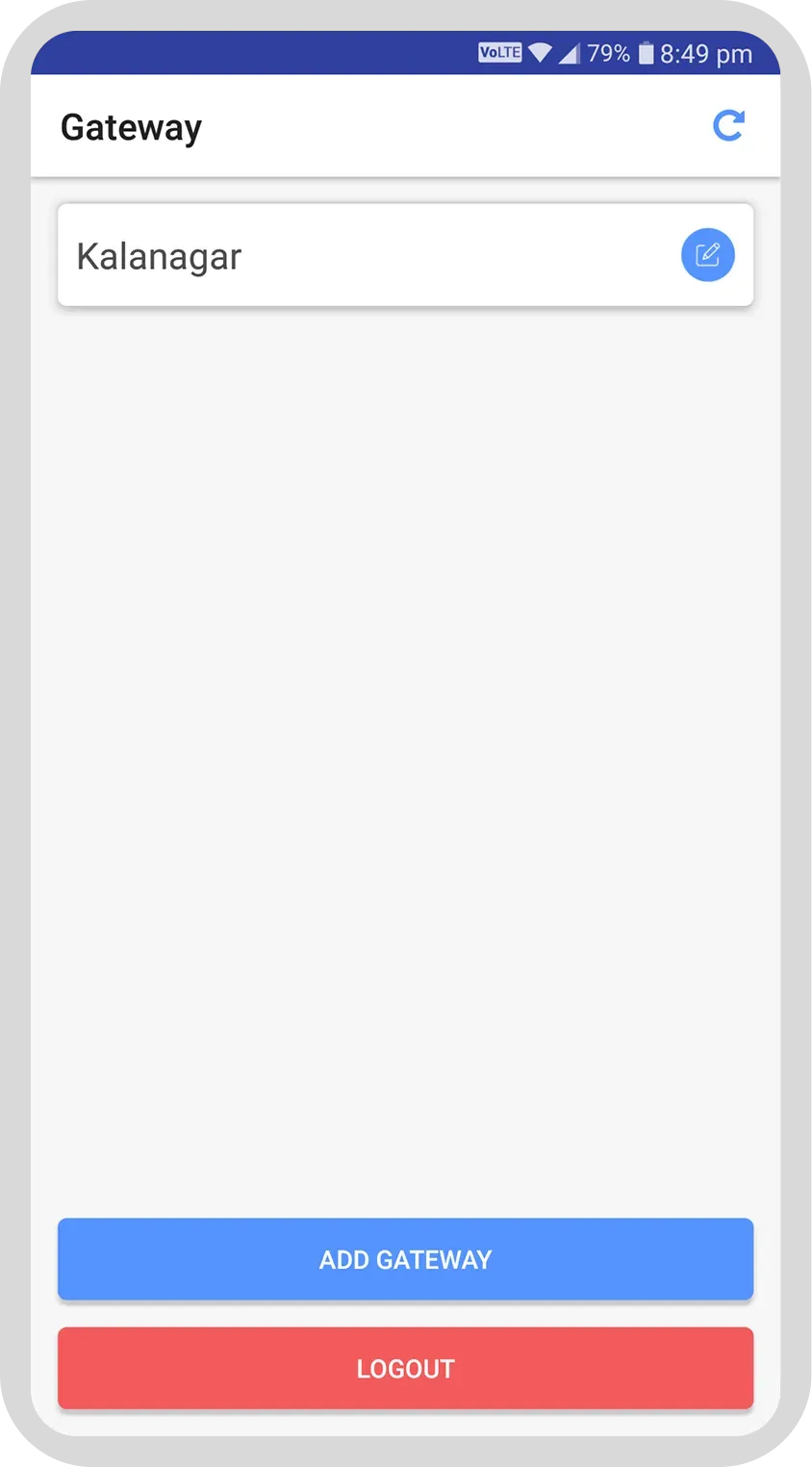
Two native apps and the supporting backend, each tuned to its actual user, with real-time sync across users and devices.
Native consumer app
Intuitive control of lights, appliances and scenes, with the interaction patterns customers expect from a premium product.
Installer configurator app
Device-level visibility and commissioning tools structured around the installer’s on-site day — the source of the 40% faster setup.
Real-time device sync
Change a scene on one device and it reflects everywhere instantly, with secure remote control through the same sync layer.
Hardware SDK integration
A Node.js backend integrates Nuos’s hardware SDKs for reliable real-time device communication.
Tech stack




Outcomes & metrics
2x
Improvement in consumer app satisfaction
40%
Faster smart-home configuration
Real-time
Sync across users and devices
Trusted and verified by our clients


 ISO/IEC 27001:2022
 ISO 9001:2015
 GDPR compliant
Frequently Asked Questions
Tell us about your project
Tell us about your product, the device ecosystem you support and where you want the apps to be in twelve months. A 30-minute call is the fastest way to find out whether Unico Connect is the right partner.
Prefer to book directly?
🗓️ Schedule on Calendly →Or email us:
✉️sales@unicoconnect.com