









Why We Build Agents Differently
Gartner predicts more than 40% of agentic AI projects will be cancelled by 2027 - mostly from unclear value, runaway cost, and weak governance. The gap between a working demo and a production agent is where most projects stall. We close that gap because we build and operate agents for our own teams first.
Demo Agent
Clean Input, Happy Path
Agent works perfectly with well-structured test data. Demos impressively. Stakeholders approve the concept.
Linear Workflow
Single path from input to output. No branching logic for exceptions. No recovery when something unexpected happens.
Basic Prompt Engineering
System prompts tuned for ideal inputs. No handling for ambiguous, incomplete, or adversarial user messages.
No Cost Controls
Token usage unchecked. No limits on API calls. Fine in a demo, unsustainable at scale with real traffic.
Silent Failures
When the agent fails, it fails quietly. No escalation path. No monitoring. No way to know it broke until a user complains.
Production Agent (How We Build)
Input Validation & Guardrails
Every input validated before processing. Guardrails prevent hallucination, scope drift, and unsafe outputs. Built from real-world edge cases.
Branching Logic & Error Recovery
Agents handle exceptions, retry with backoff, and degrade gracefully. When they cannot complete a task, they escalate rather than fail silently.
Human-in-the-Loop Escalation
Transparent escalation paths when confidence is low. Full context preserved so the human picks up where the agent left off.
Cost Controls & Rate Limiting
Token budgets, API rate limits, and cost monitoring built in from day one. Production-ready means financially sustainable at scale.
Continuous Monitoring & Improvement
Every agent action is logged and monitored. Performance tracked, failures surfaced, and the agent improves based on real production data.
What We Build

Workflow Automation Agents
Agents that execute multi-step processes across systems - triggering from events, pulling data, processing it, updating records, and notifying stakeholders.

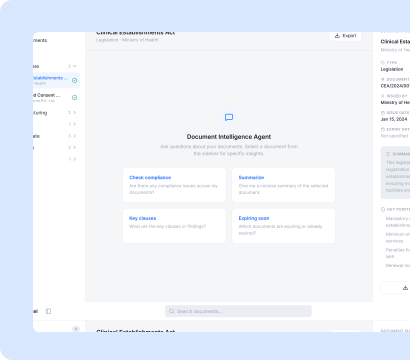
Document Intelligence Agents
Extract, classify, validate, and route information from documents - invoices, contracts, compliance filings - into structured, system-ready output.

Conversational Commerce Agents
AI agents on WhatsApp, web, and voice that take orders, confirm transactions, check availability, and escalate to humans when needed.

Multi-Agent Systems
Workflows where specialized agents collaborate - one researches, another analyzes, a third drafts, a supervisor validates. For tasks too complex for a single agent.

Internal Operations Agents
Agents for your team: meeting summarizers, sales prep assistants, reporting automation, knowledge base search. Built from patterns we run internally.

Agent Monitoring & Optimization
Post-deployment tracking of accuracy, cost, latency, and satisfaction. Continuous improvement loops that refine agent behavior from real usage data.
Technology We Work With



















Our Work

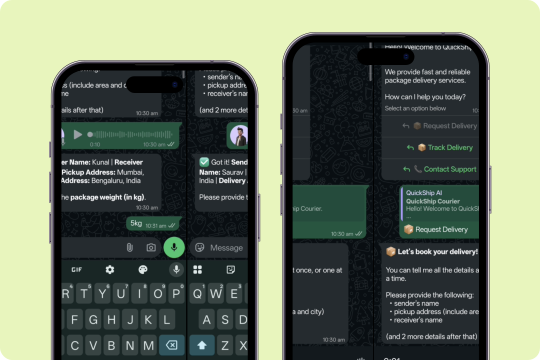
Built two WhatsApp AI agents and optimised cloud costs for a B2B logistics operator
2 agents
WhatsApp voice + B2B ordering live
AWS
Cloud optimised for cost-performance
Lower
Cost-to-serve on routine enquiries
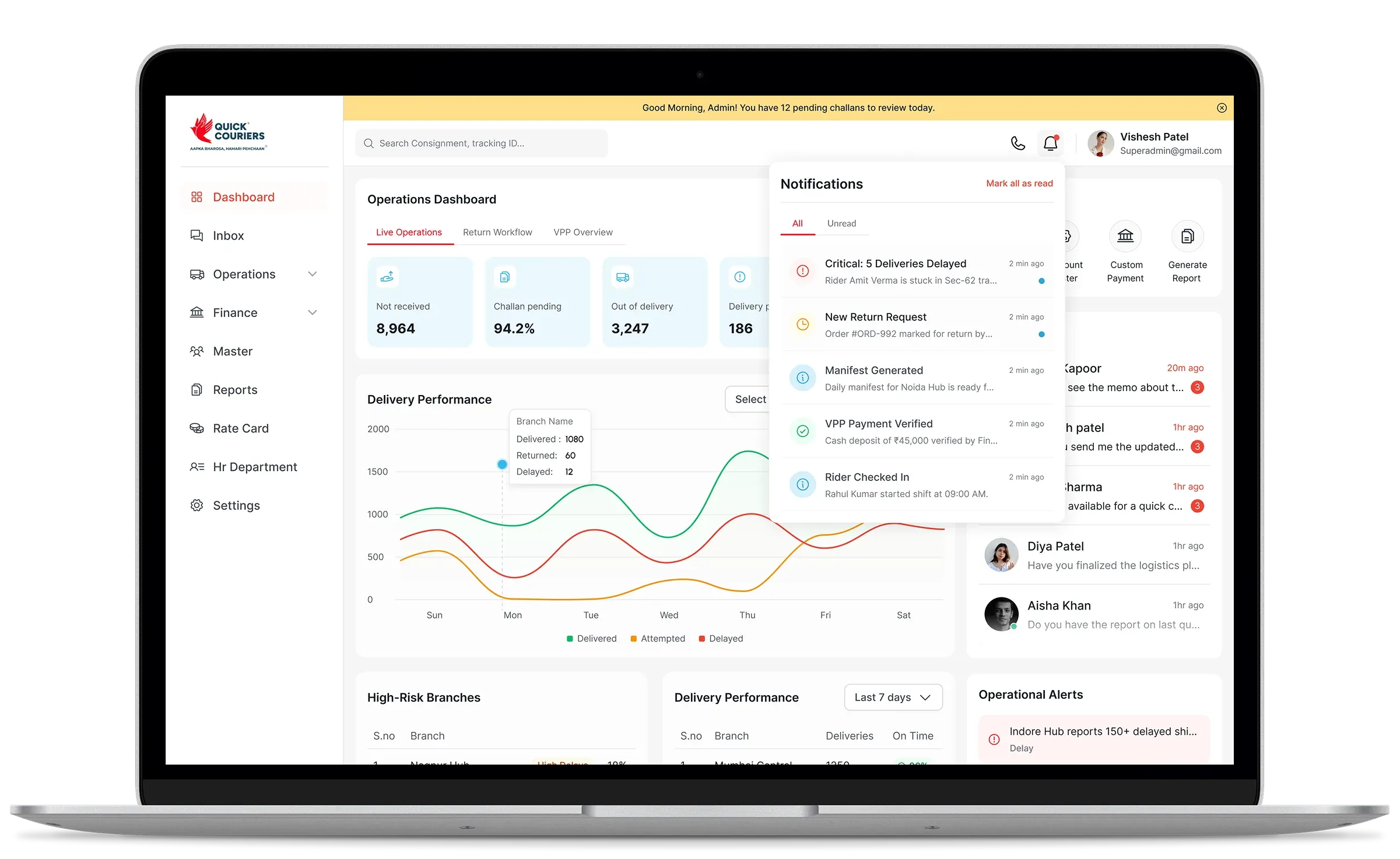
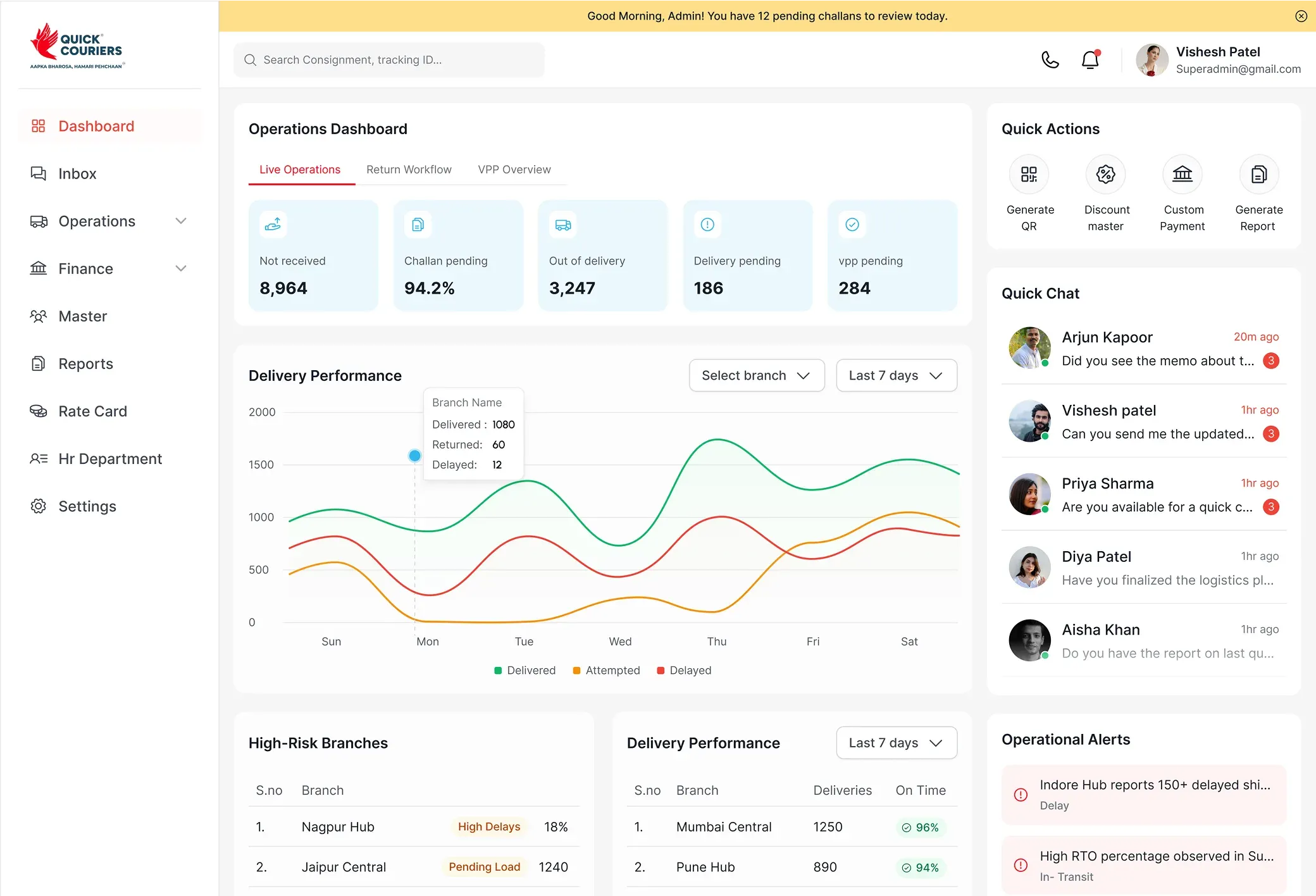
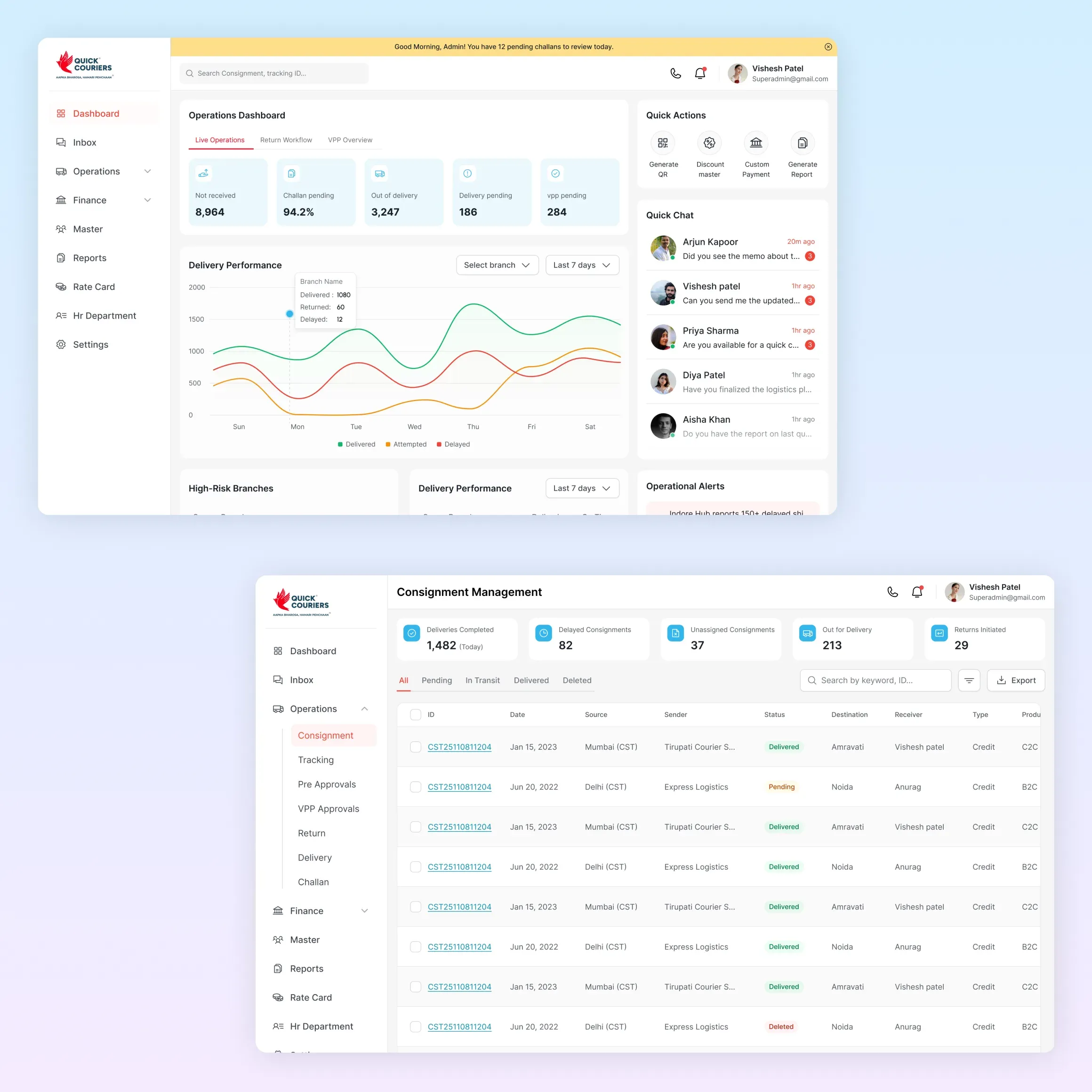

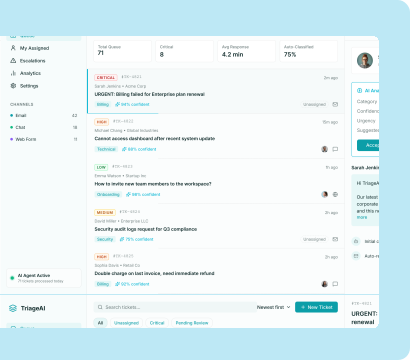
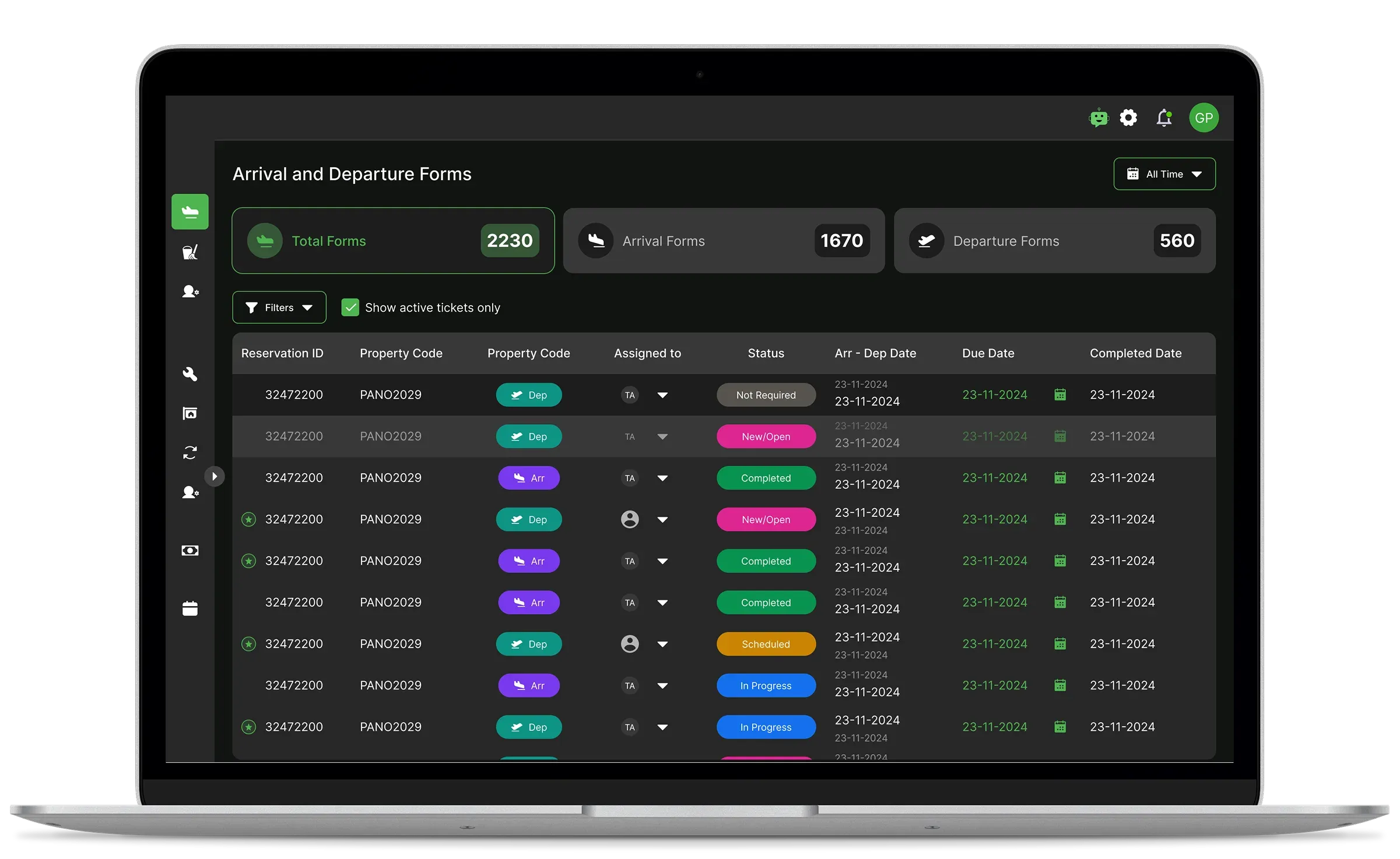
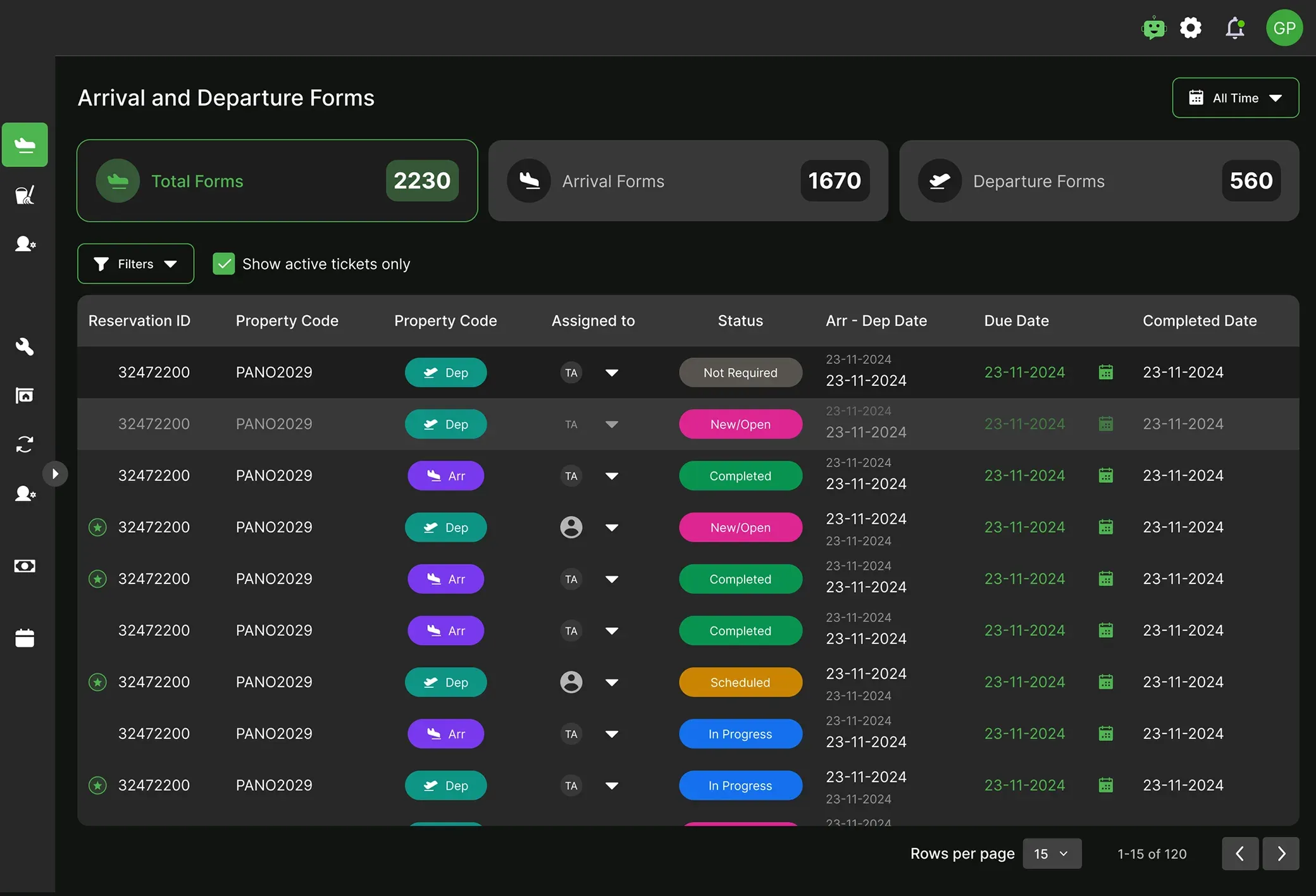
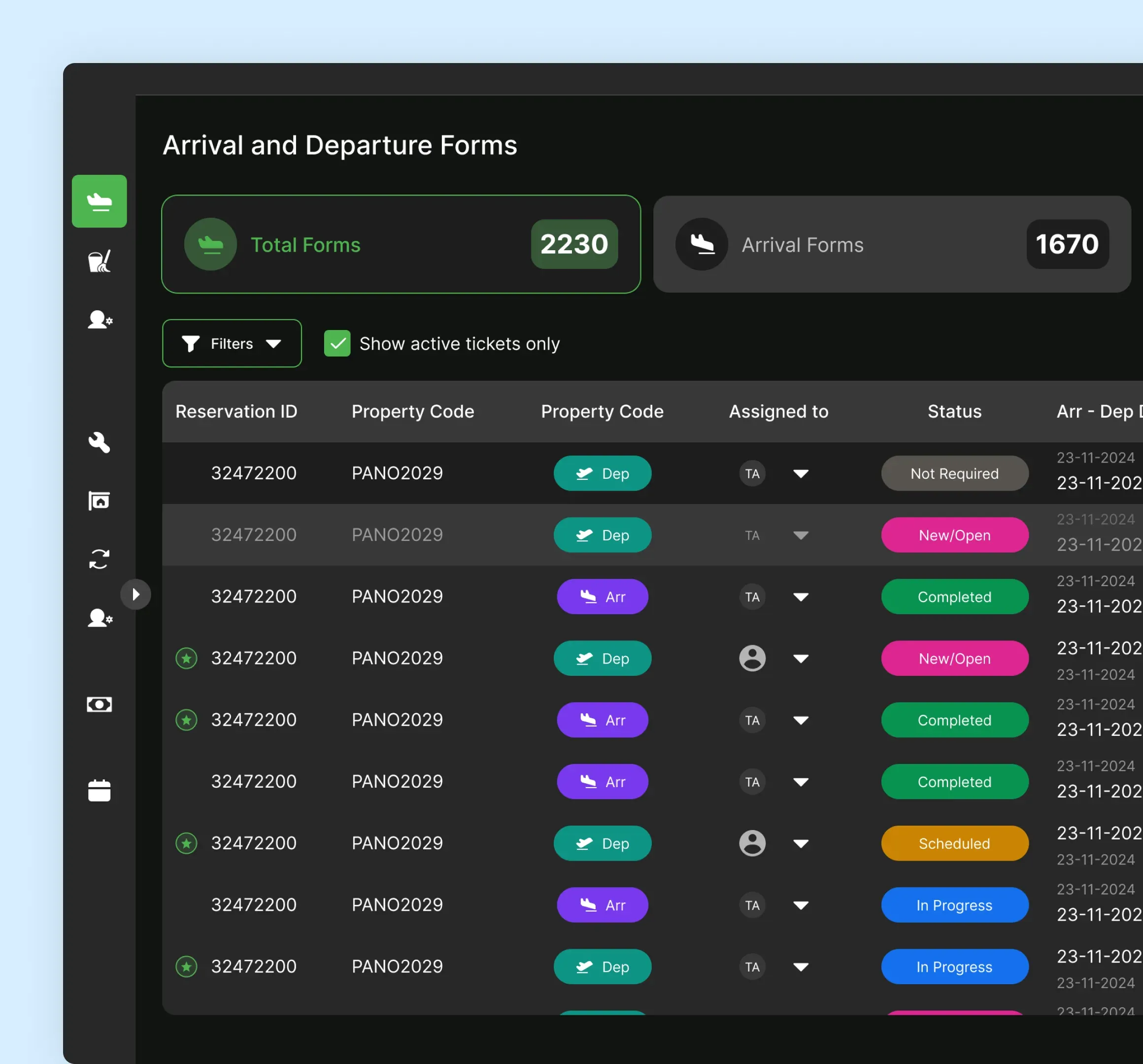
Built an AI property-operations platform with ticket triaging and computer-vision asset tagging
200+
Properties managed
2,000+
Monthly reservations supported
-60%
Operational overhead

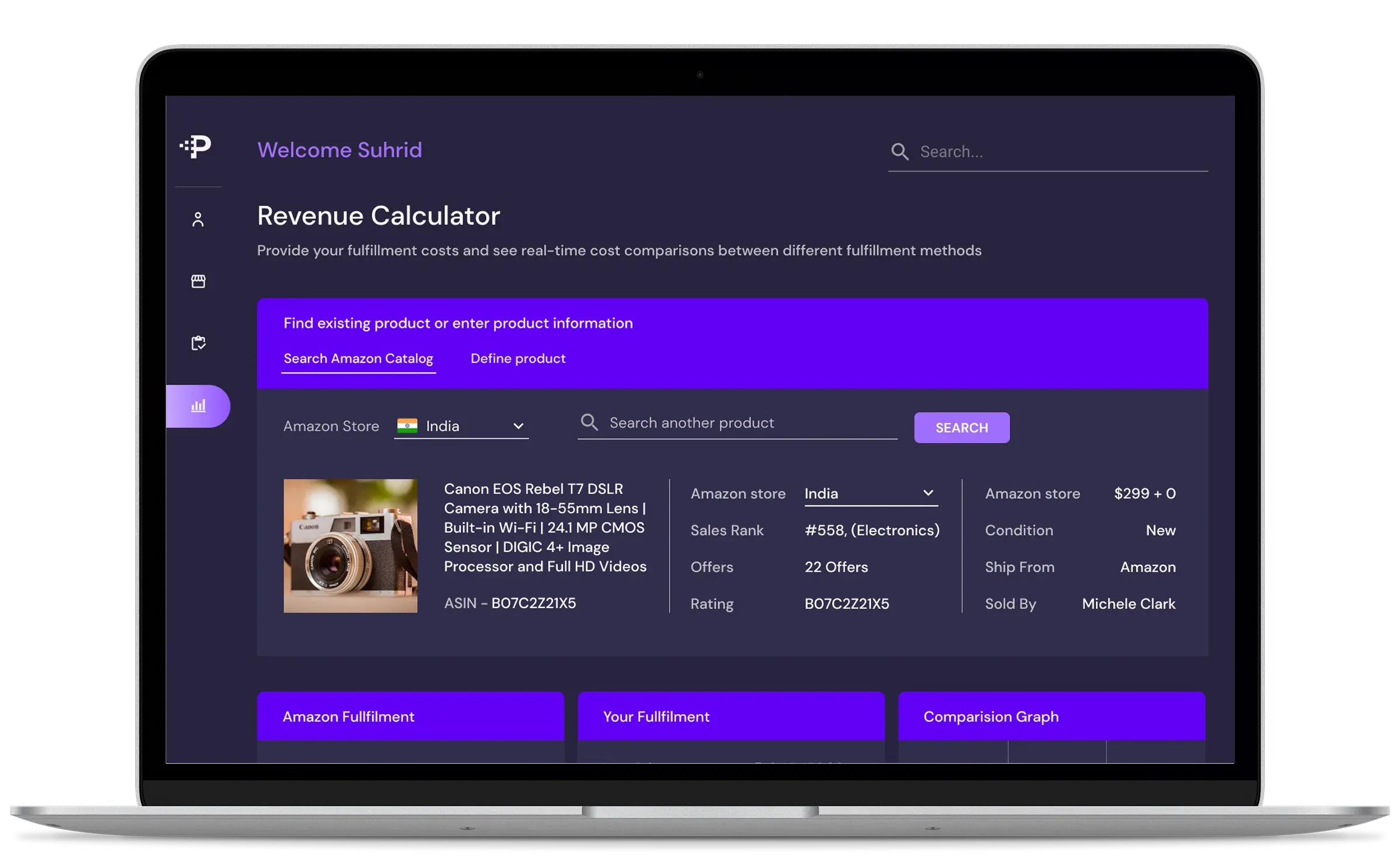
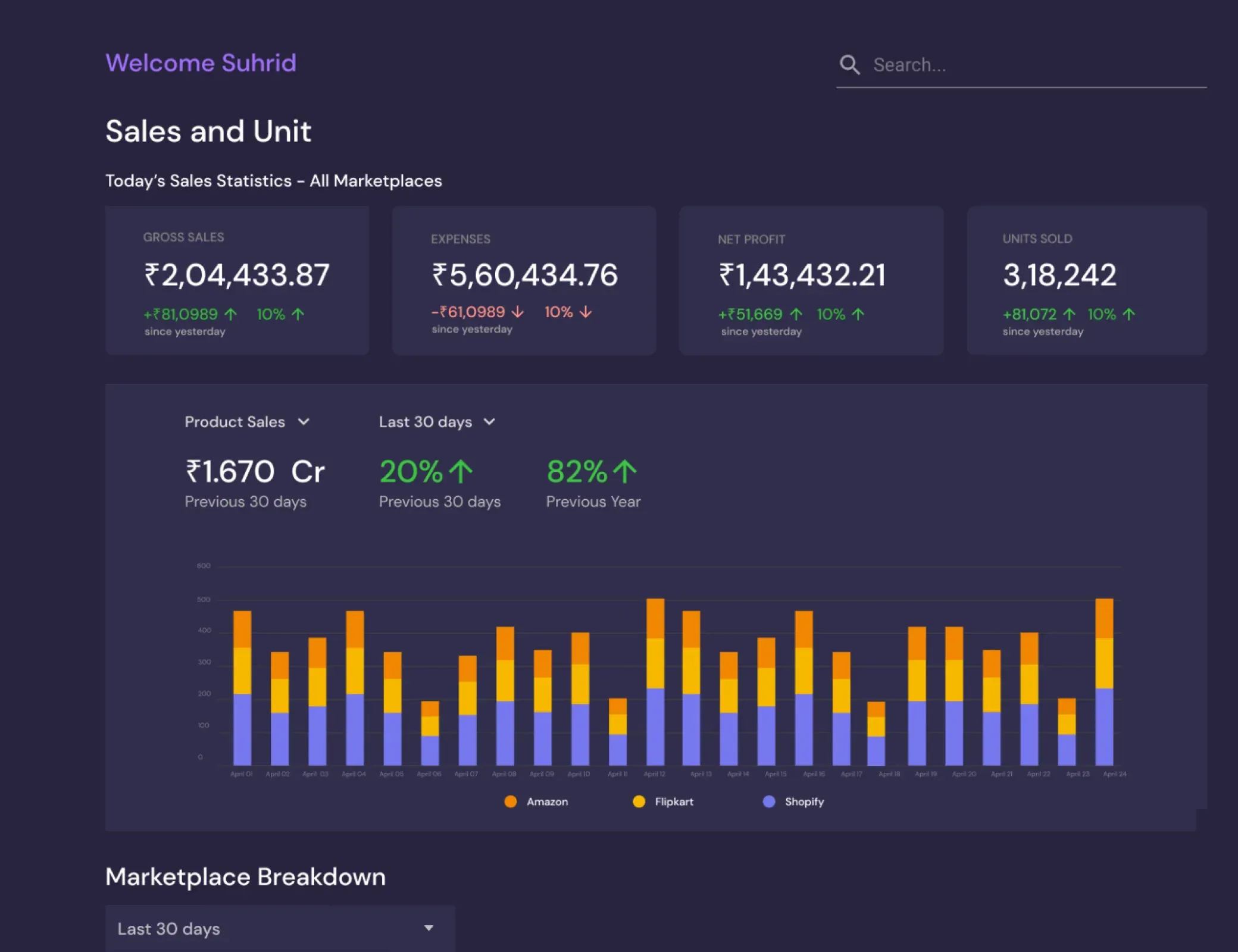
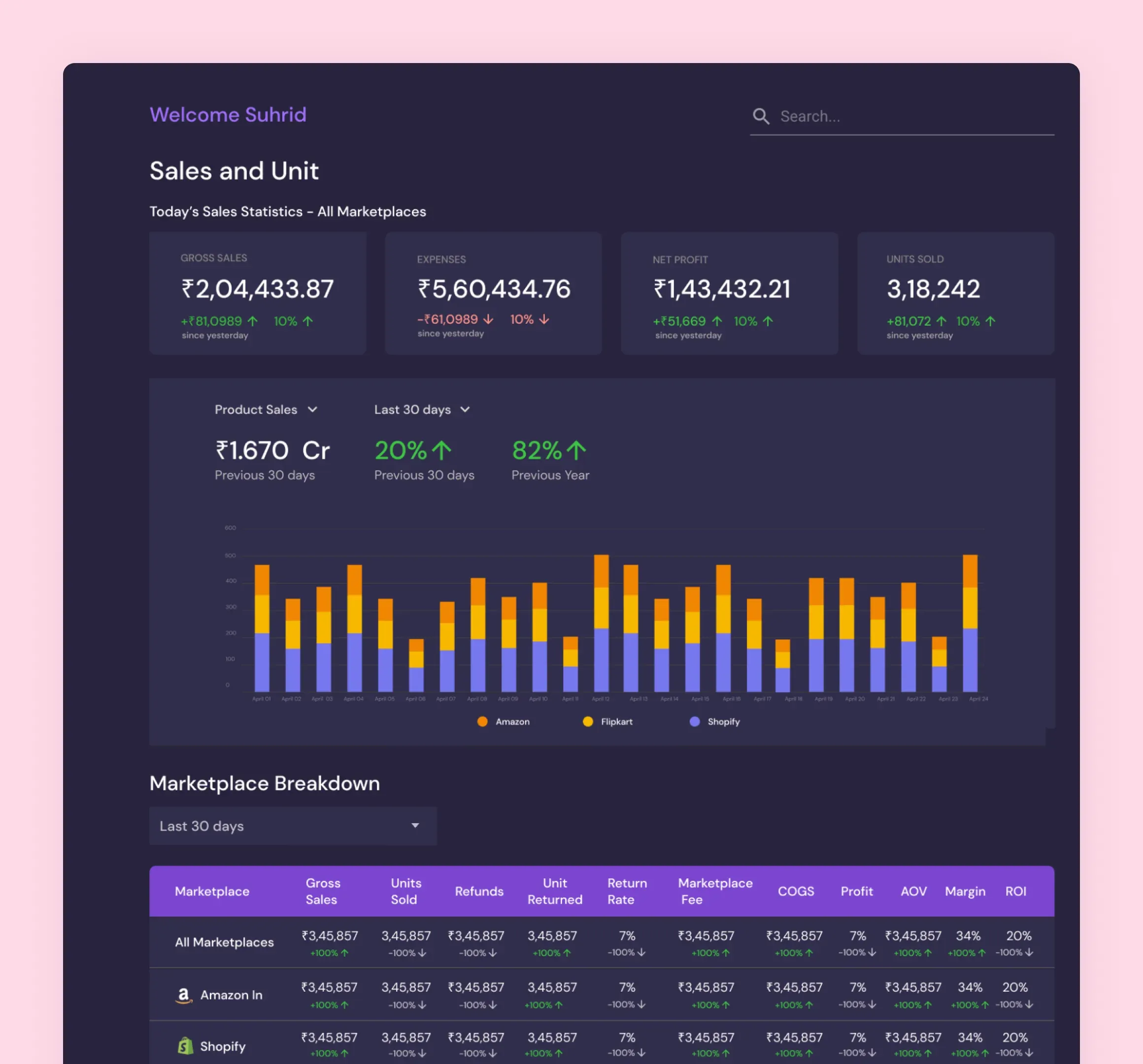
Built demand forecasting, dynamic pricing and the QueryAI analytics bot for D2C brands
-30%
Stockouts across brands
+25%
Pricing accuracy
50%
Faster data-to-insight pipeline
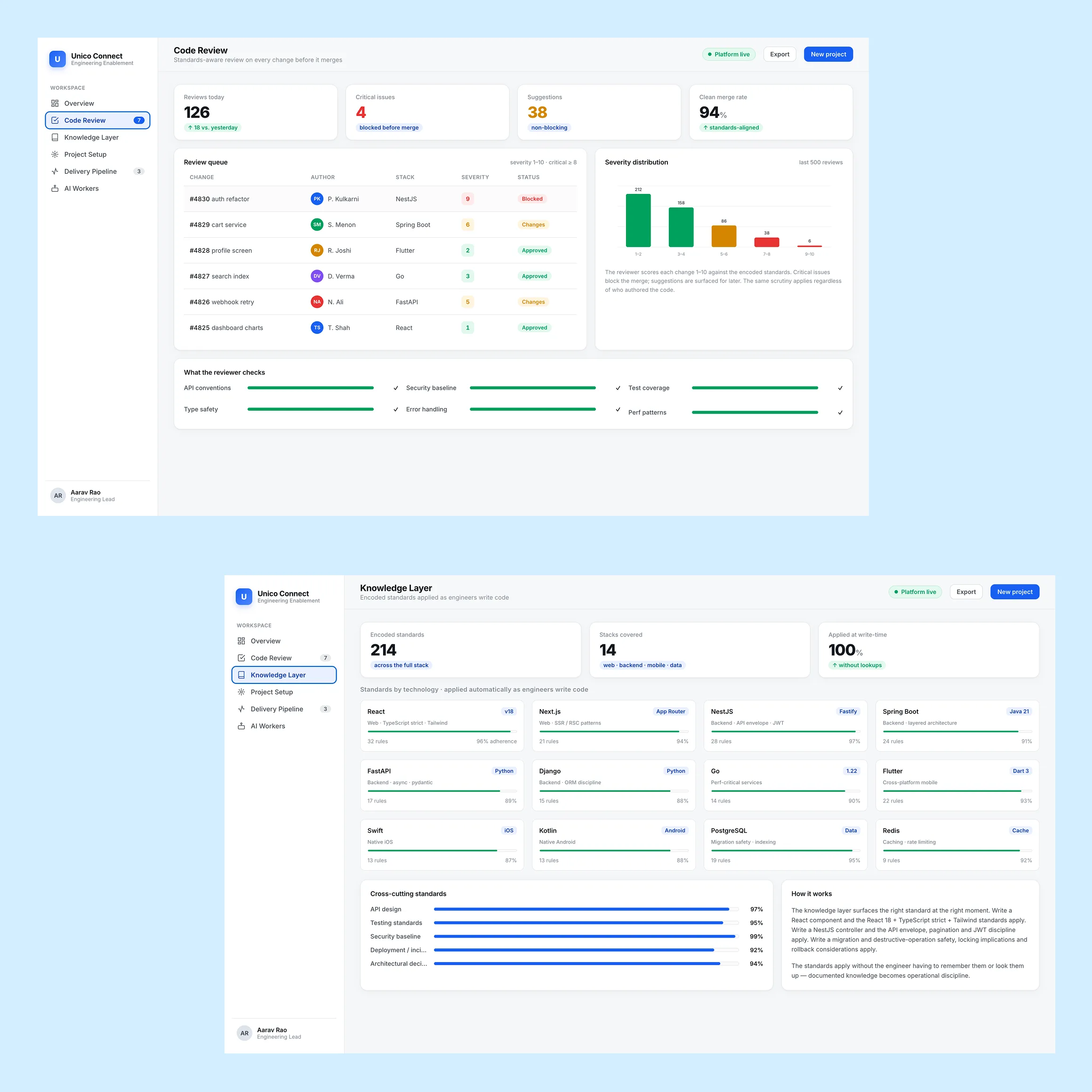
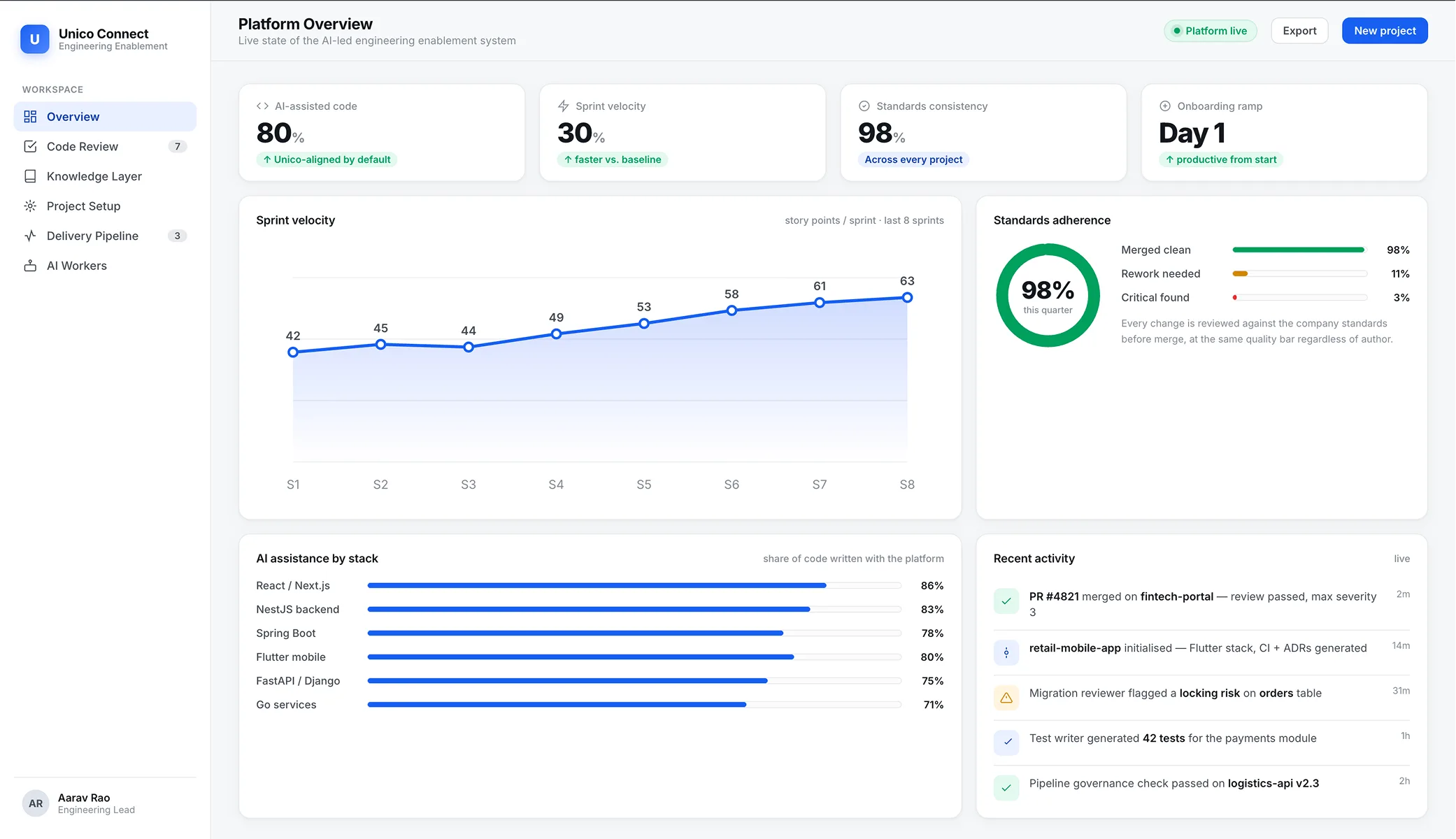
Built the AI-led engineering platform Unico runs on internally
~80%
Code written with AI
30%
Faster sprints
Consistent
Standards everywhere
What is agentic AI, and how is it different from a chatbot?
A chatbot answers. An agent acts. Agentic AI describes systems that take a goal, plan the steps, call tools and APIs to get real work done, check their own progress, and only finish when the task is complete. A chatbot tells a customer how to reset a subscription. An agent resets it, confirms the change in the billing system, and reports back. The shift from answering to doing is what makes agents valuable and also what makes them harder to build responsibly.
Under the hood an agent runs a reasoning loop. It decides what to do next, uses a tool, observes the result, and decides again, until the goal is met or it hits a checkpoint that needs a human. Unico Connect builds that loop on LangGraph, which gives it state, checkpoints, retries, and a place to pause for approval, and connects tools through the Model Context Protocol so the agent has a clean, versioned toolbox rather than brittle one off integrations.
| Dimension | Chatbot | AI agent |
|---|---|---|
| What it does | Answers questions | Completes multi step tasks end to end |
| How it works | Fixed conversation flows | Plans, calls tools, and checks its own work |
| Example | Tells a customer how to reset billing | Resets billing, confirms it, and reports back |
| Best for | Deflecting common questions | Work that used to need a person to shepherd it |
What can an AI agent actually do on its own?
The agents that pay off handle multi step work that used to need a person to shepherd it. Triaging and resolving support tickets end to end, reconciling data across systems, researching and drafting, running an operations workflow that touches several tools, or answering questions grounded in your own knowledge and then taking the follow up action. The right first target is a workflow that is too varied for fixed rules but repetitive enough that your team resents doing it by hand. Unico Connect built exactly this for Sergo, an AI property operations platform where an agent triages maintenance tickets and computer vision tags assets at 92% accuracy, cutting operational overhead 60%.
Why do most agent projects stall after the demo?
Because a demo only has to work once, and a product has to work every time. The gap is almost always evaluation and observability. Without an eval suite that measures whether the agent does the right thing across many cases, and without tracing that shows what it did on any given run, an impressive prototype cannot be trusted in production and cannot be improved safely. Unico Connect treats evals and monitoring as part of the build, not an afterthought, which is what lets an agent move from a convincing demo to something you can actually rely on.
Do you need multiple agents or one?
Usually fewer than people expect. A single well designed agent with good tools handles most workflows, and it is easier to test, debug, and trust than a swarm. Multi agent designs earn their complexity when a job genuinely splits into specialised roles that work in parallel, such as a researcher feeding a writer feeding a reviewer. We start with the simplest design that solves the problem and add agents only when the work truly calls for it.
How do you keep an autonomous agent safe?
With boundaries and a person on the critical path. We scope exactly which tools an agent can call and what it is allowed to do with each, put human in the loop approval in front of anything irreversible, and build in retries and graceful degradation so a failure escalates rather than silently corrupts data. Every run is logged and traceable, and the agent operates inside the same encryption, access control, and audit standards as the rest of your systems.
How much does an agentic AI system cost?
A single agent that automates one workflow is a focused build with usage based running costs from the model and tools it calls. A multi agent system spanning departments, with deep integrations and a full eval and monitoring setup, costs more to build and to run. The real driver is the number of tools and systems the agent touches and the reliability bar the work demands, so we scope a clear estimate against your workflow before committing to a number.
To go deeper, see how MCP compares to direct API integrations, the agentic AI statistics for 2026, and our AI integration services. For the numbers, our AI agent cost guide breaks down what a build runs.
For a comparison of strong candidates across scenarios, see our guide to the top agentic AI development companies.

Have a workflow that is too complex for simple rules but too repetitive for your team?
Talk to an ExpertPRICING
Transparent pricing, published
$10,000 to $25,000
single task agent PoCs
$25,000 to $75,000
production single agents
Published estimate ranges at a blended AI engineering rate of $30 to $60 per hour. Every project is scoped individually before any number becomes a quote.
See the AI agent cost guide + calculatorFrequently Asked Questions
Agentic AI development services build autonomous AI systems that reason about goals, use tools, and execute multi-step workflows - not just answer questions. That spans scoping the use case, building the agent with guardrails and human-in-the-loop escalation, integrating it with your existing tools, and monitoring it in production. Adoption is accelerating: Gartner expects 40% of enterprise applications to include task-specific AI agents by the end of 2026, up from less than 5% in 2025, and the agentic AI market is already worth roughly $10 billion and growing more than 40% a year.
AI Agent Engineering Insights
View all blogs AI Agents
December 16, 2025
How Agentic AI Can Automate Complex Workflows in Enterprises
Read More AI Agents
September 22, 2026
What Breaks When AI Agents Run in Production, and How Durable Execution Fixes It
Read More AI Agents
September 22, 2026
Grok Bot and Agentic Chat Teams Explained, How Persistent AI Teammates Work
Read More
Let's Build The Next Big Thing
Fill in the form or schedule a meeting to map out a path to success.
Prefer to book directly?
🗓️ Schedule on Calendly →Or email us:
✉️sales@unicoconnect.com