









Enterprise AI Security Risks, Threats and Best Practices for Secure AI Adoption

Shaun Kollannur
Senior AI Engineer, Unico Connect
In this article
- Quick Answer
- Key Takeaways
- What Makes Enterprise AI Security Different From Traditional Security?
- Where Do Enterprise AI Security Risks Come From?
- Why Is Prompt Injection a Growing Risk in AI Applications?
- How Does AI Data Leakage Happen?
- Shadow AI, the Hidden Enterprise Risk
- What Does the OWASP LLM Top 10 Mean for Enterprise Teams?
- Why AI Agents Expand the Enterprise Security Surface
- Enterprise AI Security and Compliance Challenges
- Enterprise AI Security Best Practices
- How Do You Evaluate Enterprise AI Security Risk?
- How AI Native Engineering Teams Approach Security
- Frequently Asked Questions
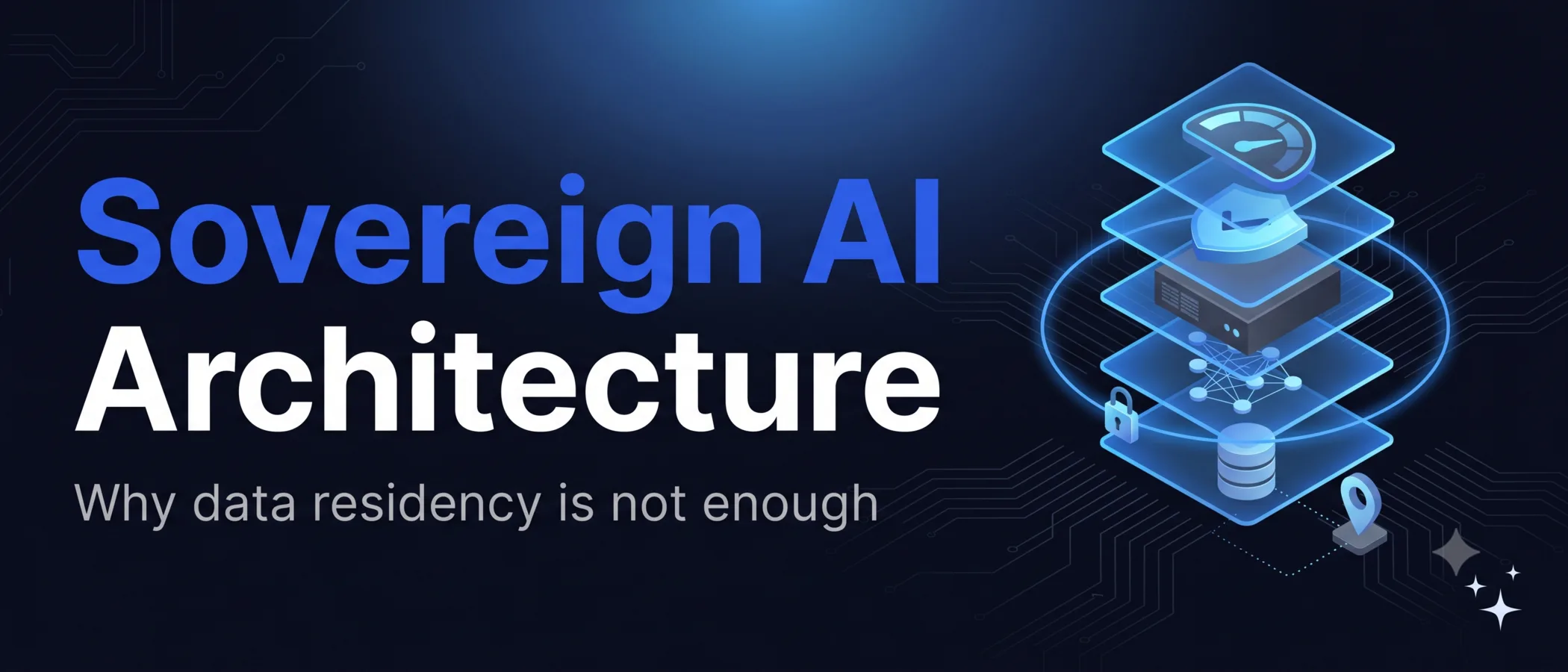
Enterprise AI security protects more than the model. It covers the data the model can read, the systems it connects to and the actions it can take. Production AI now sits on top of customer records, internal documents, APIs and automated workflows, so a weak spot anywhere in that chain can become a breach. Below we walk through prompt injection, data leakage, shadow AI, the OWASP list of LLM weaknesses and compliance exposure, then six controls and a four step way to rate each system. Sources were checked on 6 October 2026.
Quick Answer
Securing enterprise AI means controlling what an AI system can read, connect to and do, as well as hardening the model. The biggest risks are prompt injection, sensitive data leaking through prompts, outputs or logs, unapproved shadow AI tools, insecure APIs and plugins, AI with excess permissions, and compliance gaps. Start with an inventory of AI use, give each system the least data and permission it needs, validate inputs and outputs, and monitor in production.
Key Takeaways
- In the IBM 2026 study, compromised APIs, applications or plugins and cloud misconfigurations were the most common causes of breaches targeting AI, at 27 percent each.
- OWASP says no reliable prevention mechanism exists today for prompt injection, so limit what a fooled model can reach.
- Only 22 percent of American office workers familiar with AI tools, in an IBM sponsored survey, rely exclusively on employer AI tools, so shadow AI control starts with visibility.
- Compliance now shapes design, and EU AI Act rules for high risk systems in sensitive areas apply from 2 December 2027.
What Makes Enterprise AI Security Different From Traditional Security?
Firewalls, identity management, patching and encryption still apply, but they were built for software that returns the same output for the same input. A language model reads instructions and data through one channel, can answer differently on each run, often comes from a third party provider, and acts with whatever permissions it was given. Even on a locked down cloud account, a support assistant can quote a ticket from another customer if retrieval never checks who is asking.
| Traditional software security | Enterprise AI security |
|---|---|
| Code vulnerabilities | Prompt manipulation |
| Database exposure | Sensitive information disclosure in answers and logs |
| API attacks | Misuse of model APIs and connected tools |
| Permissions designed for people | AI holding more permission than the task needs |
| Predictable application logic | Nondeterministic output |
Where Do Enterprise AI Security Risks Come From?
In IBM breach data, the most common causes of AI breaches were weaknesses in the systems around the model. Of the 602 breached organizations in the IBM Cost of a Data Breach Report 2026, more than 20 percent reported a breach targeting AI models or applications, and the top causes were compromised APIs, applications or plugins (27 percent) and cloud misconfigurations affecting AI workloads (27 percent) (IBM, July 2026).
Data Exposure Risks
Sensitive data enters AI tools through prompts and uploads, then leaks through answers or poorly separated knowledge sources. A sales rep pasting a pricing sheet into a chatbot to draft an email is the everyday version.
Model and Prompt Manipulation
Hidden instructions in input or retrieved content push the model toward manipulated output.
Integration and Dependency Risks
Insecure APIs, third party model providers, plugins and connectors widen the attack surface. Think of a plugin that asks for full mailbox access to summarize a single thread.
User and Shadow AI Risks
Unapproved tools move data to services nobody reviewed.
Operational and Compliance Risks
Excessive permissions, autonomous actions and missing audit trails turn a model error into a business or compliance incident.
Why Is Prompt Injection a Growing Risk in AI Applications?
Prompt injection is text that changes what the model does against the intent of its builders, and it grows more dangerous as AI gains access to data and tools. Direct injection comes from a user typing override instructions, while indirect injection hides in content the system pulls in, such as a web page, email or retrieved document.
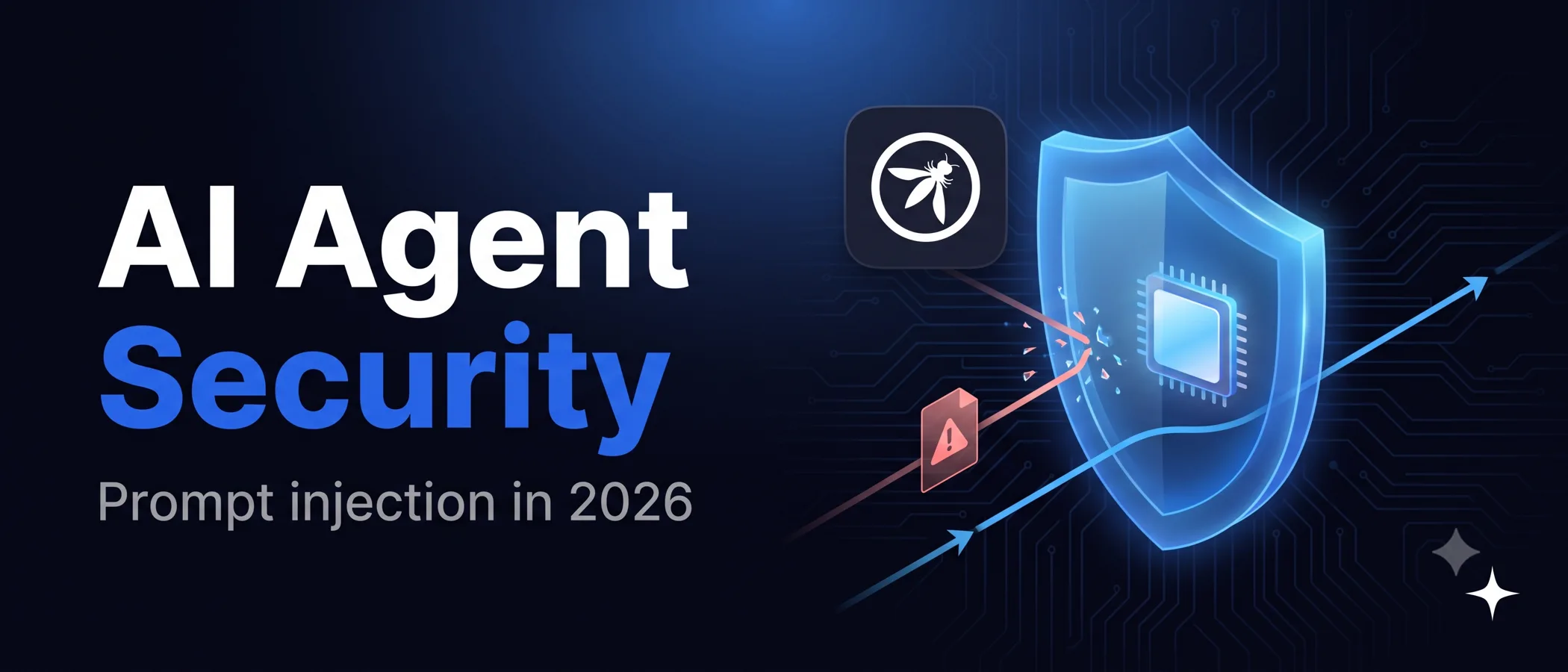
OWASP is blunt about it. The OWASP GenAI LLM Top 10 for 2026, published on 3 August 2026, states that prompt injection is intrinsic to current generative AI, and no reliable prevention mechanism exists today. Controls that still work are covered in prompt injection defenses for AI agents.
Microsoft rated CVE-2025-32711, an AI command injection flaw in Microsoft 365 Copilot known as EchoLeak, Critical with a CVSS score of 9.3. OWASP describes the attack, which Aim Security demonstrated, as a crafted email that triggers the assistant to exfiltrate organizational data with no user interaction (OWASP). Microsoft says it is fully mitigated, needs no customer action and was not exploited (Microsoft Security Response Center).
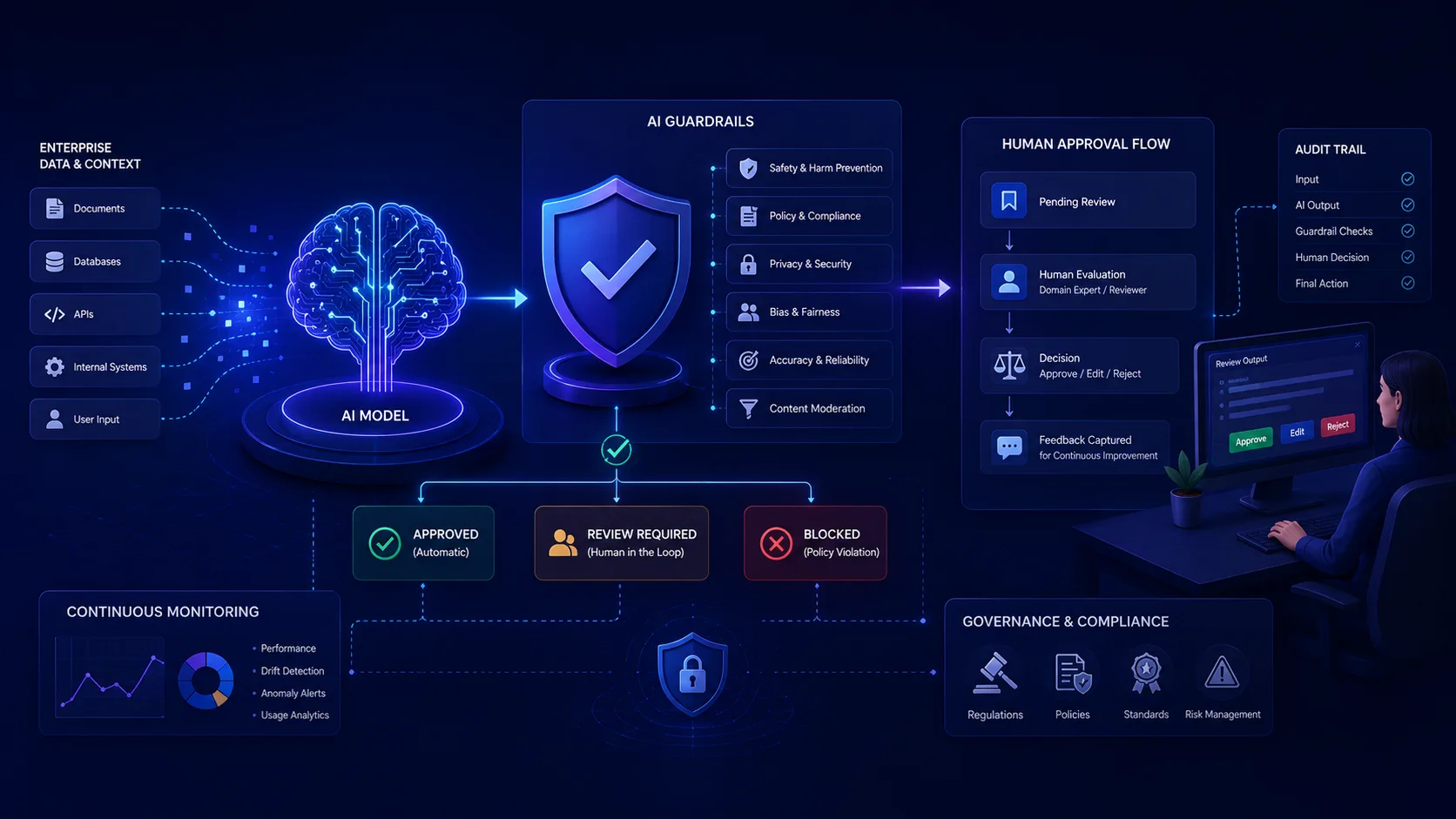
A successful injection can bend an answer, leak data, fire an action nobody approved or corrupt a workflow step. Where a fooled model could do real harm, put a person in front of the action, as covered in enterprise AI guardrails and approval flows.
How Does AI Data Leakage Happen?
AI data leakage is sensitive information reaching a person, system or provider never authorized to receive it, by way of an AI tool. It differs from data leakage in machine learning, where information unavailable at prediction time slips into training. Leaks through generative AI tools usually take one of four routes.
- Employees paste confidential material into outside tools. In 2023, internal, sensitive data from Samsung was accidentally leaked to ChatGPT, and Samsung temporarily restricted generative AI tools on company devices and internal networks (TechCrunch).
- Retrieval ignores permissions and returns documents the user is not cleared to see.
- Answers surface sensitive details sitting in the context window.
- Model providers process the data under their own retention terms.
OWASP adds that tool call arguments, reasoning traces, retrieved chunks, logs, telemetry and embeddings are all disclosure surfaces, each subject to the same classification and redaction rules (OWASP). Some leaks are deliberate, such as a user probing the assistant for records outside their role. Others are accidents where the model repeats something it should not, often in a setup that never separated users and sources.
Shadow AI, the Hidden Enterprise Risk
Shadow AI is one of the hardest enterprise AI risks to see. It is any AI tool, account or workflow used for work without approval or visibility from IT and security. Personal chatbot accounts take a minute to open, so adoption outruns policy.
In an IBM sponsored Censuswide survey of 1,000 full time American office workers familiar with AI tools, 80 percent use AI in their roles but only 22 percent rely exclusively on tools their employer provides (IBM). In the IBM Cost of a Data Breach Report 2025, one in five organizations studied reported a breach due to shadow AI, only 37 percent had policies to manage AI or detect shadow AI, and organizations with high shadow AI use saw breach costs 670,000 dollars higher on average than those with little or none (IBM, 2025).
Company data ends up in unvetted tools with no central log of what went in. Each team sets its own rules, which leaves uneven policy and compliance exposure. Visibility comes first, and an approved tool on a commercial plan gives people a route security can see. Our own team works this way for coding. The whole Unico Connect team uses Claude Code daily. We run Claude Code on a company plan, and by default Anthropic does not use inputs or outputs from its commercial plans to train its models.
What Does the OWASP LLM Top 10 Mean for Enterprise Teams?
The OWASP LLM Top 10 is a community driven guide to the most critical LLM security risks in applications. OWASP ranks ten risks for 2026, starting with Prompt Injection and ending with Improper Output Handling.
| OWASP 2026 entry | Enterprise relevance |
|---|---|
| LLM01 Prompt Injection | Untrusted text can change what the AI does |
| LLM02 Sensitive Information Disclosure | Confidential data surfaces in answers, logs or tool calls |
| LLM03 Excessive Agency | The AI holds more authority than the task needs |
| LLM04 Supply Chain | Third party models, packages and tools get compromised |
| LLM10 Improper Output Handling | Unvalidated output reaches downstream systems |
Each entry marks a place where standard AI application security needs an extra check, for example validating model output as strictly as form input. Use the list as one reference point next to your AI inventory, provider reviews and compliance work.
Why AI Agents Expand the Enterprise Security Surface
An AI application that answers questions can be wrong. An agent that calls APIs, queries databases, modifies records and triggers workflows can be wrong with side effects. OWASP defines Excessive Agency as the vulnerability that enables damaging actions in response to unexpected, ambiguous or manipulated model output, rooted in excessive functionality, permissions or autonomy. Picture an agent that only reads invoice status but holds a token that can also issue credits. In a chain of agents, one wrong step feeds the next. Identity, scoped access and audit are covered in governing AI agents at enterprise scale.
Enterprise AI Security and Compliance Challenges
Six AI compliance challenges now surface at design time, because most need evidence the system must produce from launch. They are data privacy, provenance, audit trails, documentation, transparency and risk classification.
For an AI governance framework in the United States, start with NIST. The voluntary NIST AI Risk Management Framework, with its Generative AI Profile published in July 2024, is a useful shared reference for risk controls. The framework core has four functions, Govern, Map, Measure and Manage, and NIST says AI RMF 1.0 is being revised as part of the White House AI Action Plan (NIST). The profile, NIST AI 600-1, lists 12 generative AI risks, including data privacy, information security, and value chain and component integration (NIST AI 600-1). If an outside team builds an AI agent for you, the AI agent scope of work is where to name the rules that apply and who owns each.
Systems serving EU users also follow the EU AI Act application dates. After the AI Omnibus entered into force on 27 July 2026, rules for high risk systems in sensitive areas apply from 2 December 2027, and for AI embedded in regulated products from 2 August 2028 (European Commission).
Enterprise AI Security Best Practices
Secure AI adoption rests on six controls. They are an AI inventory, limits on data, untrusted input and output handling, least privilege, production monitoring and third party review.
1. Keep an Inventory of AI Use
List sanctioned AI applications, models, workflows and vendors, and flag those touching sensitive data or critical processes.
2. Limit the Data AI Can Reach
Give each system only the data its use case needs, filter retrieval by user permissions, and set retention for prompts and outputs.
3. Treat Inputs and Outputs as Untrusted
Assume retrieved content can carry instructions, and validate output against a schema before anything acts on it. An invoice extractor should return a vendor, an amount and a due date, and anything else gets rejected before it reaches payments.
4. Grant Least Privilege to AI Systems
Scope every token and tool to the task, and require human approval for irreversible actions. A scheduling assistant needs one calendar, so its token should not let it delete accounts or send mail as the CEO.
5. Monitor AI in Production
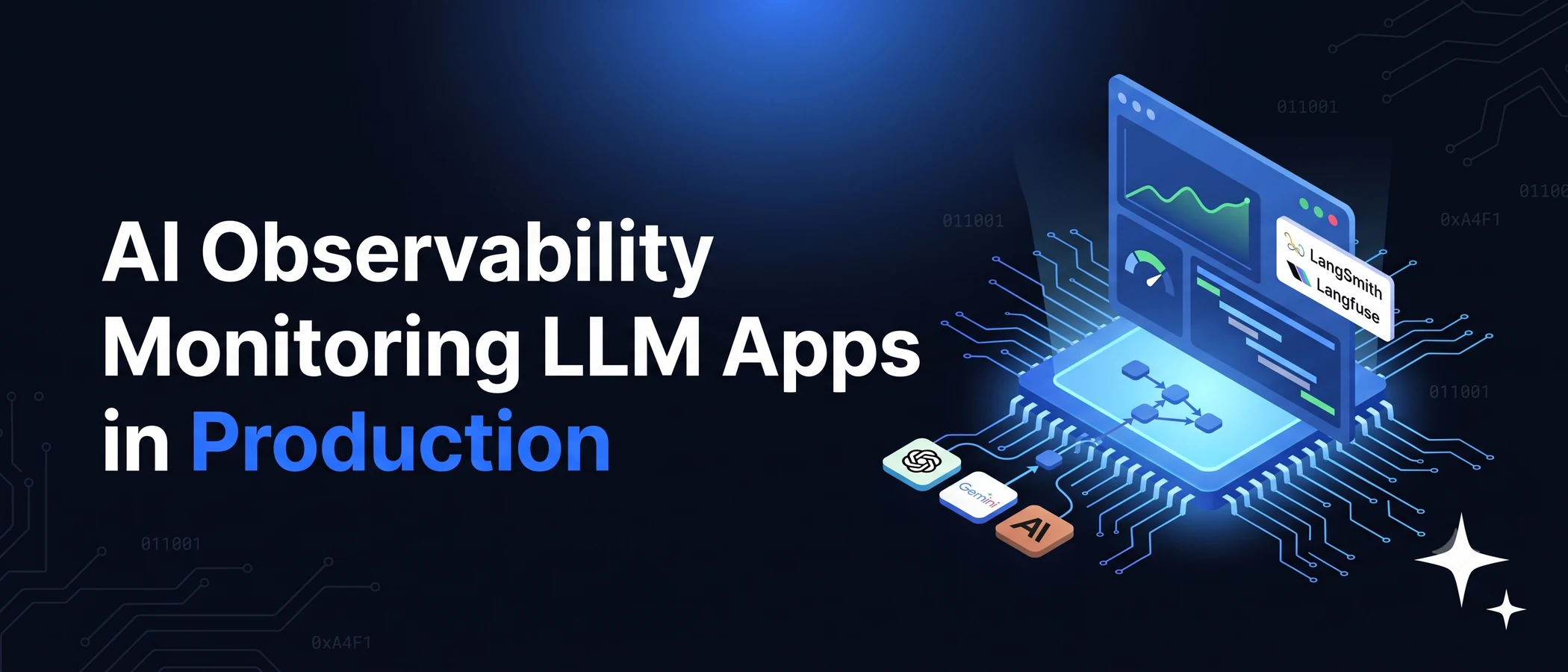
Log prompts, tool calls and outputs, alert on unusual volume or new destinations, and settle logging, redaction and retention rules before launch.
6. Review Third Party AI Dependencies
Check each model provider, API and plugin for retention, training use, hosting region and incident terms, and pin component versions.
How Do You Evaluate Enterprise AI Security Risk?
Work through four steps for each AI system, then check the five questions below.
Step 1. Identify the System
Note what it does, who uses it and which workflows depend on it.
Step 2. Understand Data Exposure
Record what it can access, what it generates and how sensitive each is.
Step 3. Map Integrations and Dependencies
List its models, APIs, external services and connected systems.
Step 4. Assess Business Impact
Estimate the security, operational, customer and compliance impact of a failure. A wrong answer from an internal FAQ bot wastes minutes, while a wrong refund or a leaked patient record costs money and trust and can bring in a regulator.
| Assessment area | Core question |
|---|---|
| AI usage | What does the system do? |
| Data | What information can it access? |
| Integrations | Which systems can it interact with? |
| Permissions | What actions can it perform? |
| Impact | What happens if it behaves incorrectly? |
A drafting tool over public documents is low risk. An agent that changes customer records needs every control above.
How AI Native Engineering Teams Approach Security
Security decisions in AI products are cheapest during architecture review. The model provider sets whose data terms apply, retrieval design sets what a user can extract, and the tool list sets what a fooled model can do. Testing and monitoring then check those choices against real traffic.
Unico Connect builds AI into enterprise systems through our AI integration practice, processing only the data each feature needs and, for sensitive environments, placing models in a cloud account the client controls or behind private endpoints. For a European healthcare technology provider, we built a computer vision and anonymization platform for medical images that runs inside the customer network, keeps a per file record of what was detected, redacted, reviewed and decided, and routes uncertain files to a human reviewer.
Frequently Asked Questions
What are the biggest enterprise AI security risks?
The biggest enterprise AI security risks fall into four groups. Manipulation comes through prompt injection. Data leaks through prompts, retrieval, logs and unapproved shadow AI tools. Access goes wrong when APIs and plugins are insecure or when AI systems can do more than their job requires. Compliance gaps, such as missing documentation or audit trails, are the fourth. IBM 2026 data puts compromised APIs, applications or plugins and cloud misconfigurations first among causes of AI breaches.
What are the most common AI security threats in enterprise applications?
Enterprise AI security threats depend on what the system can do. A text generator mainly risks manipulated answers and leaks from its context. Retrieval over company data adds unauthorized disclosure across users or sources. Actions through APIs or agents add unintended changes to records, payments or workflows, where permission scope and human approval matter most.
How can organizations reduce AI data leakage?
Find where sensitive information enters AI workflows, including prompts, uploads, retrieval indexes, logs and provider APIs. Cut each AI system down to the data its task requires, check user permissions at retrieval time, and redact logs and tool calls as well as answers. Review provider retention and training terms, and offer an approved tool so staff avoid personal accounts.
How does the OWASP LLM Top 10 help enterprise security teams?
The OWASP LLM Top 10 gives engineering and security teams a shared list of weaknesses in applications built on large language models, such as Prompt Injection, Excessive Agency and Improper Output Handling. Teams use it to extend threat models, code reviews and tests, but it does not replace a full security program.
What should a security review cover before expanding enterprise AI adoption?
A security review before expanding enterprise AI adoption should cover the inventory of AI systems, the data each can access and produce, integrations and dependencies, actions taken without a person, business impact if a system misbehaves, and obligations such as the EU AI Act. Systems high on data sensitivity and permissions get controls first.