









GraphQL vs REST in 2026, Which API Style to Choose

Saurav Jagdale
Technical Lead, Unico Connect
In this article
Most modern products have to make the GraphQL vs REST call when they design their API. REST has been the default way to build web APIs for years and still runs the majority of the internet. GraphQL is a newer style that lets the client ask for exactly the data it needs in one request. Neither is strictly better. They suit different shapes of problem, and many teams use both. We compare them below on the factors that decide it, then say which one to pick in each case.
Quick Answer
Choose REST for most APIs, because it is simple, universally understood and easy to cache, and it fits straightforward resource based services and public APIs perfectly. Choose GraphQL when clients need to fetch complex, nested, or highly varied data, when you serve many different frontends from one API, or when mobile clients on slow networks suffer from too many round trips. Large products are often best served by both, with REST for simple and cacheable endpoints and GraphQL for the complex data graph, since each style does a different job well. At Unico Connect we start most services on REST, and most APIs never need more.
Key Takeaways
- Start a new API on REST unless your data or clients push you elsewhere. It is simple, cacheable and understood by every developer and tool, which is why the large majority of APIs are REST.
- If your screens stitch together several endpoints or pull fields they never use, those are the over fetching and under fetching problems GraphQL solves. The client asks for exactly the fields it needs in one request, which pays off on complex frontends and mobile.
- Plan extra caching work if you pick GraphQL. Standard HTTP caching works out of the box with REST, and GraphQL needs more deliberate effort.
- When web, mobile and partners all read the same complex data, one flexible GraphQL endpoint can serve them without you adding a new endpoint per need.
- Running both is common and healthy, so you do not have to force one choice everywhere. Many mature products keep REST for public and cacheable resources and GraphQL for the complex internal data graph.
GraphQL vs REST compared
For most APIs in 2026, choose REST as the simple and cacheable default. Reach for GraphQL when data is complex and many clients share one API, and go hybrid for large products. The table sets both styles side by side on the dimensions that decide the choice. It does not score them, so you can weigh the trade offs yourself, and it ends with our pick for each kind of team.
GraphQL vs REST compared, 2026
| Dimension | REST | GraphQL |
|---|---|---|
| What it is | Resource based style over HTTP with fixed endpoints | Query language with one endpoint and a typed schema |
| Data fetching | Server defines fixed response shapes | Client asks for exactly the fields it needs |
| Number of requests | Often several round trips per screen | One request can assemble related data |
| Over and under fetching | Common, fields fixed per endpoint | Avoided, client selects fields |
| Caching | Free HTTP and CDN caching per URL | Deliberate effort, persisted queries help |
| Learning curve and tooling | Low, understood by every developer and tool | Higher, schema and resolver layer to learn |
| Schema and typing | Optional, often via OpenAPI | Typed schema built in |
| Versioning and evolution | Versioned URLs, v1 then v2 | Evolve the schema, deprecate fields |
| Serving many clients | Many endpoints or query parameters | One graph, per client field selection |
| Performance at scale | Fast for cacheable resources | Strong for complex views, collapses round trips |
| Security controls | Standard rate limit per endpoint | Needs query depth and complexity limits |
| File uploads | Native via multipart requests | Needs an extra spec or separate endpoint |
| Real time updates | Polling, webhooks, or server sent events | Subscriptions built into the spec |
| Adoption | Most used style by a wide margin | Growing, usually added alongside REST |
| Best fit | Simple, cacheable, resource based and public APIs | Complex data graphs and many varied clients |
Which should you choose
Adoption figures reflect the Postman 2025 State of the API report. Many large products run both styles, REST for cacheable resources and GraphQL for the complex data graph.
The core difference is who decides the response
With REST, the server defines fixed endpoints that return fixed shapes. To assemble a screen you often call several endpoints, and each one returns more or less than you need. Those are the classic over fetching and under fetching problems. The model is simple and predictable and it caches beautifully, which is why it remains the foundation of the web.
GraphQL usually gives you one endpoint and a schema that describes everything available. The client sends a query asking for exactly the fields it wants, across multiple related resources, and gets back precisely that in a single response. That removes over fetching and collapses many round trips into one, a large win for complex screens and for mobile clients on slow connections.
The choice comes down to who should decide the shape of the response. REST leaves that to the server and keeps everything simple and cacheable, while GraphQL hands it to the client and gives up some simplicity for precision and flexibility.
What the adoption numbers say
The Postman 2025 State of the API report still ranks REST as the most used style, at around 93 percent of teams, with GraphQL at roughly a third and growing (Postman State of the API). Because teams can report more than one style, the GraphQL share is overwhelmingly used alongside REST. In mature teams the prevailing pattern is hybrid by layer, with REST and OpenAPI for public and partner APIs, GraphQL for the complex internal and frontend data graph, and increasingly gRPC for low latency service to service calls.
Neither style is pushing the other out. REST remains the dependable default that covers most needs, while GraphQL earns its place as a specialized tool once data and clients get complex.
Who builds with each
GraphQL was created at Facebook to serve complex, data heavy mobile screens from one flexible endpoint. It now powers public APIs at companies including GitHub and Shopify, where many different clients need many different slices of a large data graph. REST underpins the vast majority of web services, public APIs, and integrations across the industry, because its simplicity and cacheability are exactly what most services need. Plenty of large products expose both, with a REST surface for simple, cacheable resources and a GraphQL surface for the rich, client driven data graph.
Where each one hurts
GraphQL is not free. Caching is harder because requests are not simple cacheable URLs, though persisted queries sent over GET can restore much of the standard HTTP and CDN caching. You also have to guard against expensive or deeply nested queries, and the schema and resolver layer is more to build and operate. REST has its own costs. Complex screens can require many round trips, clients frequently receive fields they do not need, and serving very different clients can mean a sprawl of endpoints or query parameters.
How to choose
Let the shape of your data and your clients make the call.
- Simple resource based APIs, or public APIs that need easy HTTP caching out of the box point to REST.
- Complex, nested, or highly varied data, and many different clients served from one API point to GraphQL.
- Large products with mixed needs point to a hybrid, with REST for simple cacheable resources and GraphQL for the client driven graph.
Match the style to the workload rather than to fashion.
Our Take
For most services we start with REST, because it is simple, cacheable, and understood by everyone, and most APIs never need more. We reach for GraphQL when a product has complex, client driven data, many different frontends, or mobile clients that are paying for too many round trips. For large products the answer is frequently both, and we treat that as a healthy setup in its own right. In every case we let the shape of the data and the clients pick the API style. If you want a team to design and build either one, our web app development and custom software development services cover it, or you can hire a Node.js developer directly.
The Bottom Line
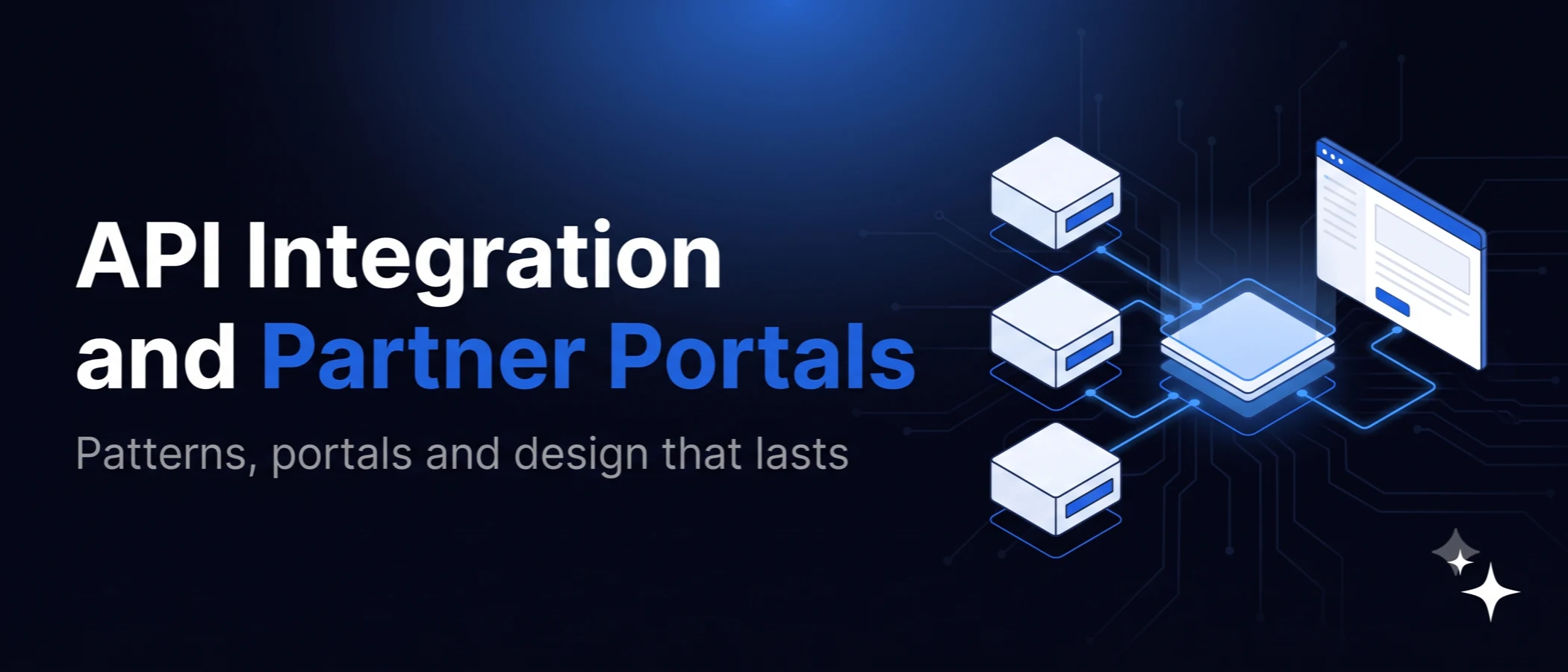
GraphQL vs REST is a choice about who shapes the response and how complex your data and clients are. REST is the simple, cacheable default that covers most APIs, and GraphQL is the precise, flexible tool for complex data and many clients. On large products, running both together is often the right answer. Once the style is settled, our API integration and partner portals guide works through the patterns, idempotency and versioning decisions that follow. For help designing and building the API itself, look at our web app development service or start a conversation.
Frequently Asked Questions
Is GraphQL better than REST?
Not universally. GraphQL is better when clients need complex, nested, or varied data in one request, or when many different frontends share one API. REST is better for simple, resource based, cacheable services, which is most APIs. Many products use both for different jobs.
Is REST outdated?
No. REST remains the most used API style by a wide margin and is the dependable default for the majority of services. Every developer and tool understands it, and it is simple and cacheable. GraphQL adds value in specific complex cases without replacing REST.
What problem does GraphQL solve?
GraphQL solves over fetching and under fetching. Instead of fixed endpoints that return fixed shapes, the client asks for exactly the fields it needs across related resources in one request, which reduces round trips and is especially valuable for complex screens and mobile clients.
Is GraphQL harder to cache than REST?
Yes. REST works with standard HTTP caching out of the box because each resource is a cacheable URL. GraphQL queries change shape with whatever the client asks for, so caching takes deliberate effort with specialized tooling. If easy caching matters a great deal to you, lean toward REST.
Can I use GraphQL and REST together?
Yes, and many mature products do. A common pattern is REST for simple, cacheable resources and GraphQL for the rich, client driven data graph. Teams that run both give each style a different job and pick it for the shape of the data it serves.
Which is faster, GraphQL or REST?
It depends on the screen. GraphQL can be faster for complex views because it collapses many requests into one and avoids over fetching. REST can be faster for simple, cacheable resources served straight from a cache. Judge them by end to end performance on your real screens.
Which does Unico Connect use?
We use both and choose per product. REST is our default for simple, cacheable services, and we add GraphQL when a product has complex, client driven data or many different frontends sharing one API.