.svg)
Web & Mobile Applications Built With AI-Native Engineering
Custom web and mobile applications engineered for performance, built with AI-augmented development workflows that compress timelines without compromising quality.







What AI-Native Engineering Means for Your Product
We use AI-assisted development tools across the full build cycle — from requirements to deployment — so engineers spend their time on architecture and product decisions, not boilerplate.
Traditional Development

Manual translation of business requirements into technical specifications. Interpretation gaps between stakeholders and developers.
Every component, API endpoint, and data model written line by line. Boilerplate consumes significant engineering hours.
Sequential review cycles. Manual testing catches what reviewers can. Limited edge-case coverage within project timelines.
Issues found late in the cycle. Each fix requires another review round. Compounding delays as scope grows.
Manual deployment processes. Documentation written after the fact. Knowledge transfer gaps between build and maintenance teams.

AI-Native Development
AI translates requirements into initial code, data models, and API structures. Engineers refine and validate — not build from scratch.
Nearly 80% of code is AI-generated using Claude Code and Cursor. Every line is reviewed by engineers who understand your business.
Comprehensive test suites generated alongside code. Edge cases caught that manual testing would miss. Quality built in, not bolted on.
Engineers focus on architecture decisions, performance optimization, and feature work that differentiates your product.
Automated deployment pipelines. Documentation generated with the code, not after it. Cleaner handoffs, fewer knowledge gaps.
What We Deliver

Native Mobile Applications
iOS (Swift) and Android (Kotlin) apps for performance-critical use cases requiring deep platform integration and native UX.

Cross-Platform Mobile Development
Flutter and React Native applications sharing a single codebase across iOS and Android without sacrificing native feel.

Web Applications & SaaS Platforms
React, Next.js, and Node.js applications built for scale. Customer-facing SaaS products and internal operational tools.

API Development & System Integration
RESTful and GraphQL APIs connecting your application to third-party services, payment gateways, CRMs, and AI models.

AI-Integrated Applications
Applications with embedded AI: intelligent search, recommendations, natural language interfaces, predictive analytics. Built alongside the app, not as an afterthought.

MVP & Rapid Prototyping
Functional MVPs in weeks using AI-augmented development and rapid backend tools like Xano. Built to validate, architected to scale.
Technology Stack

















Our Work

 Travel & Hospitality
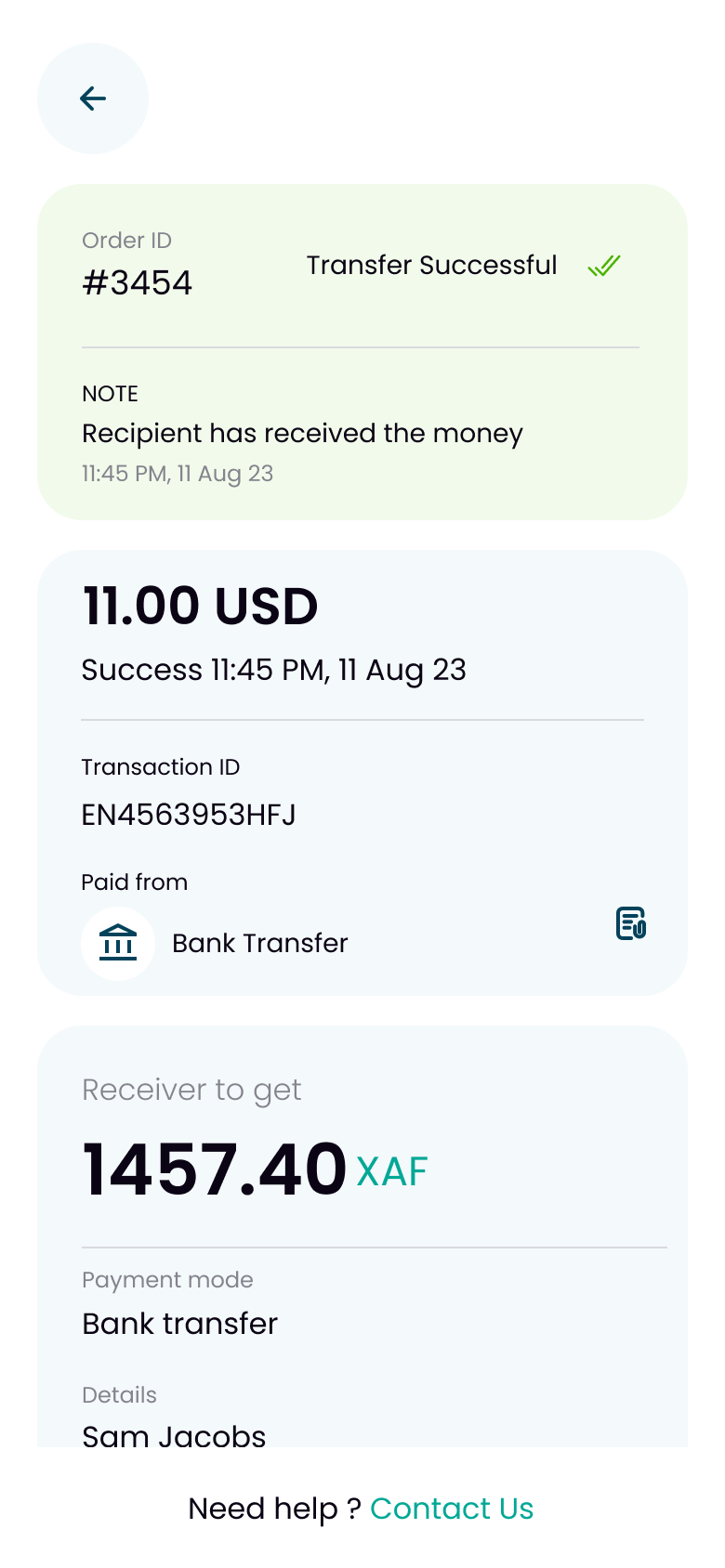
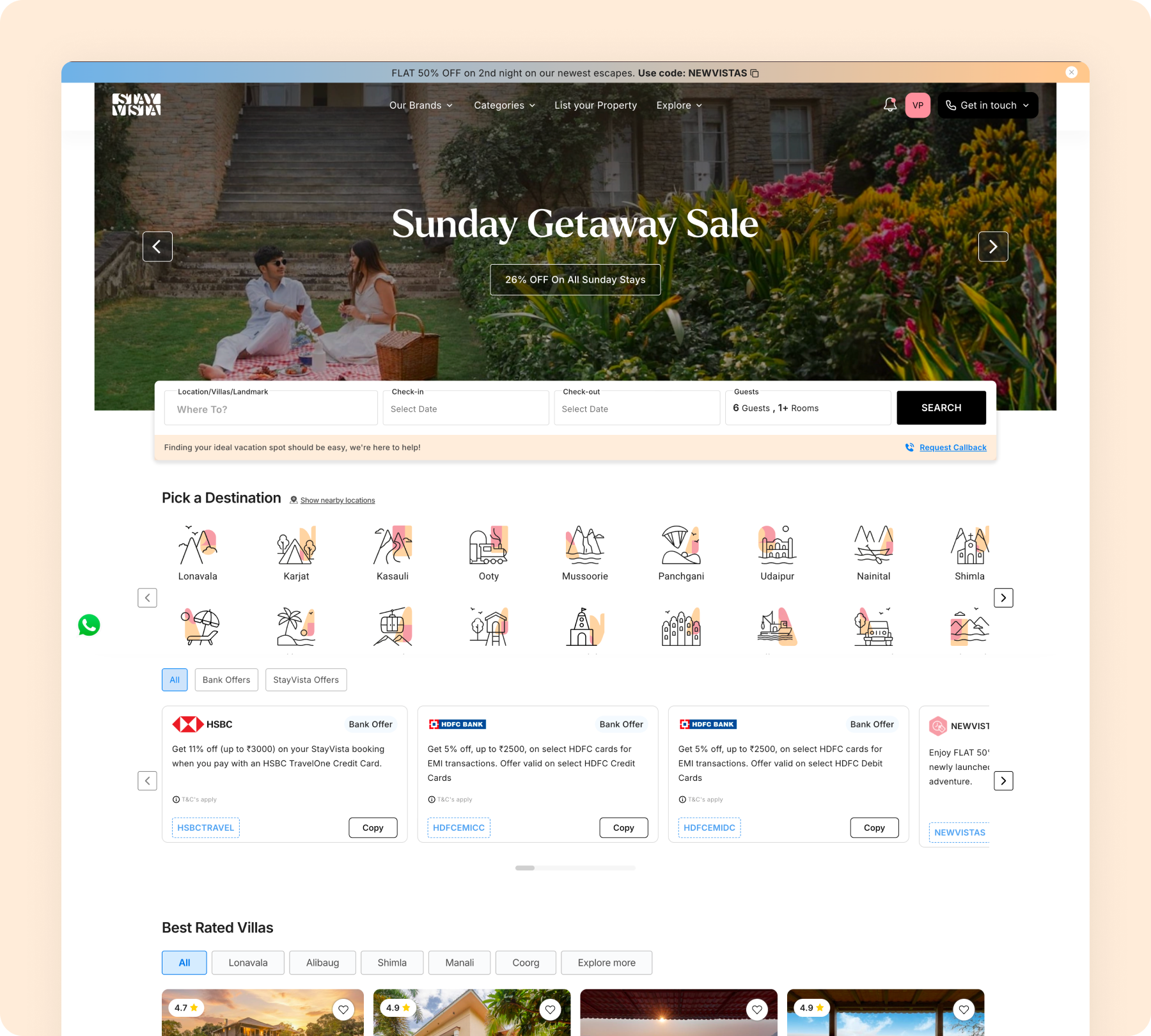
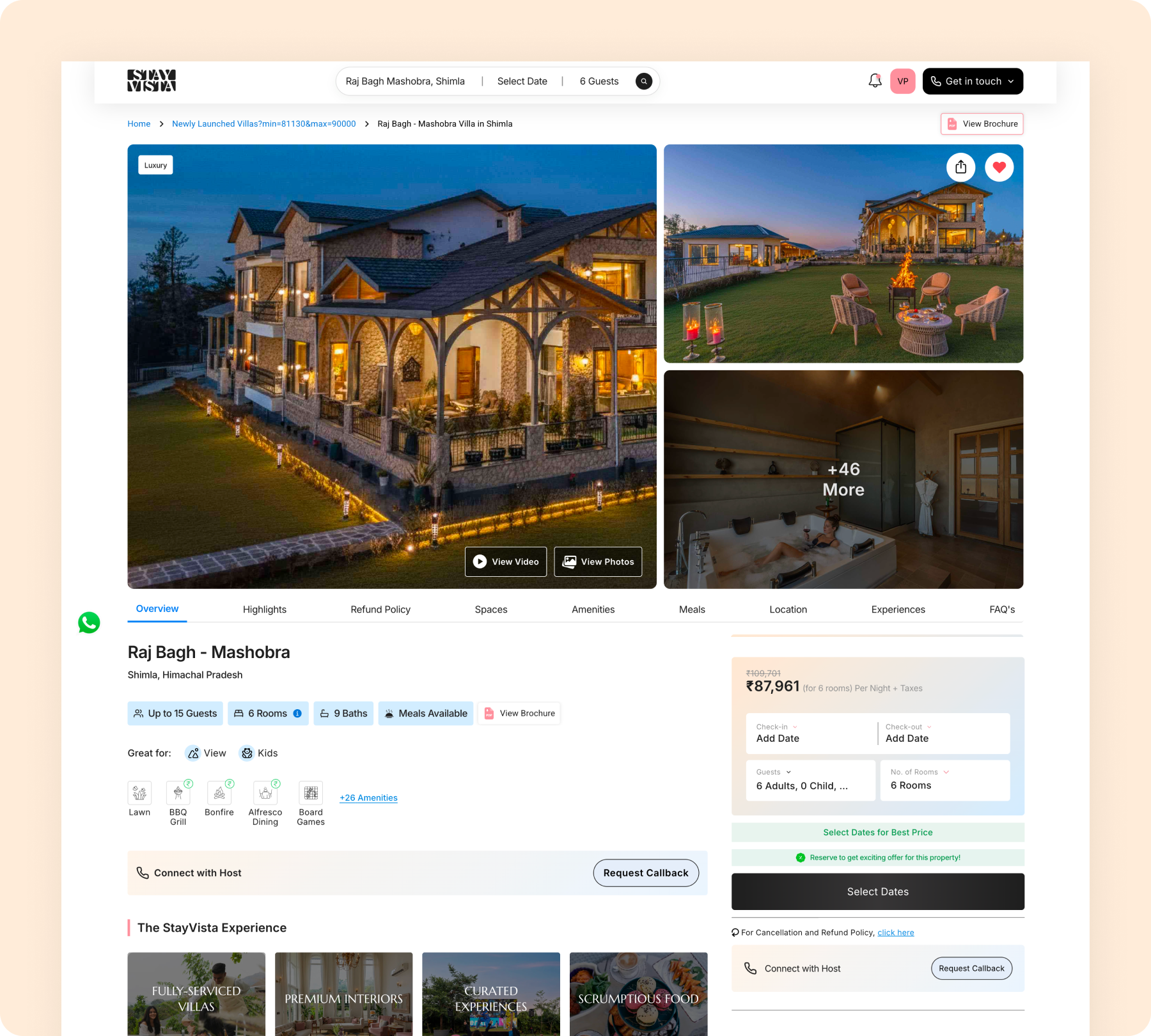
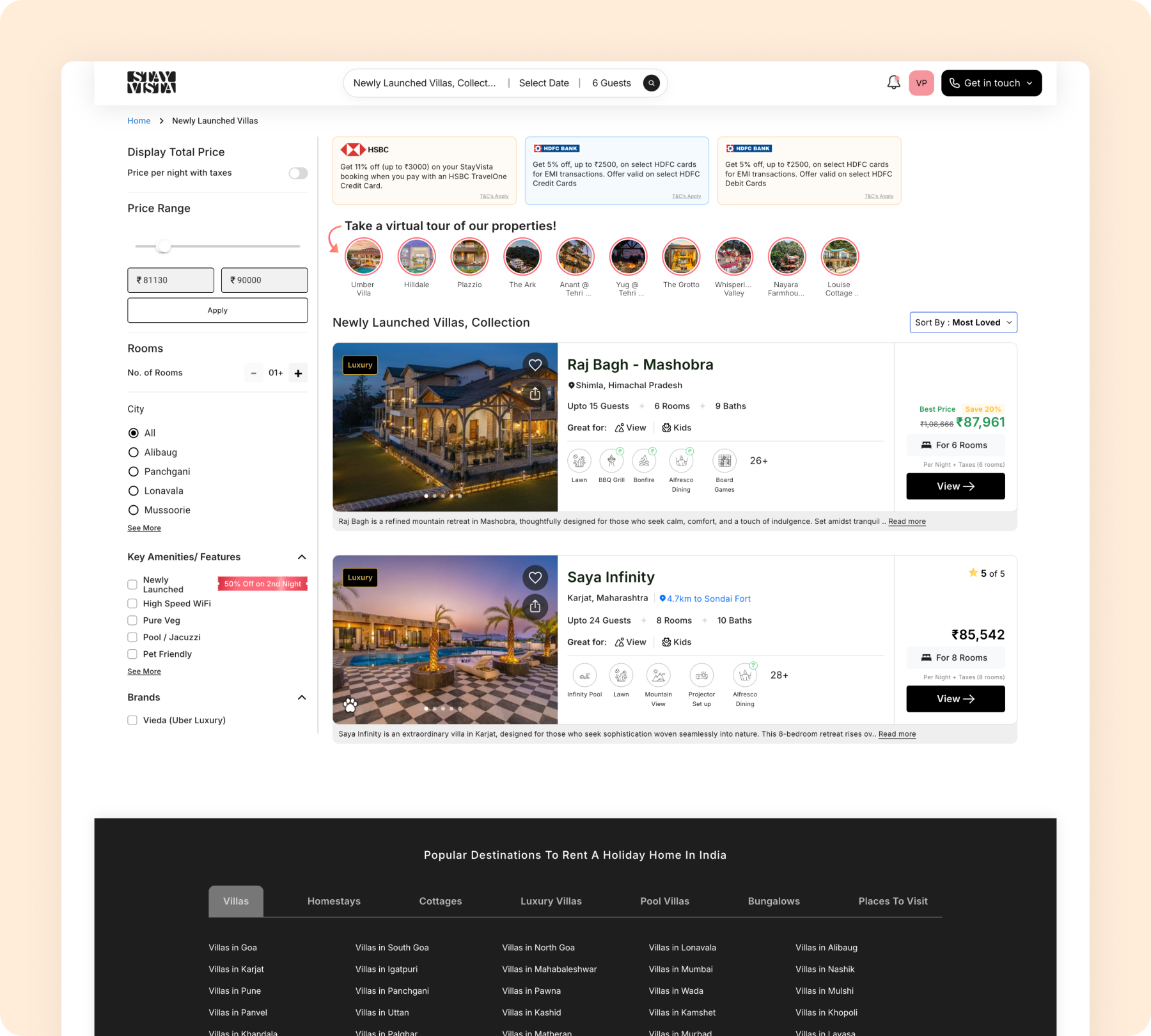
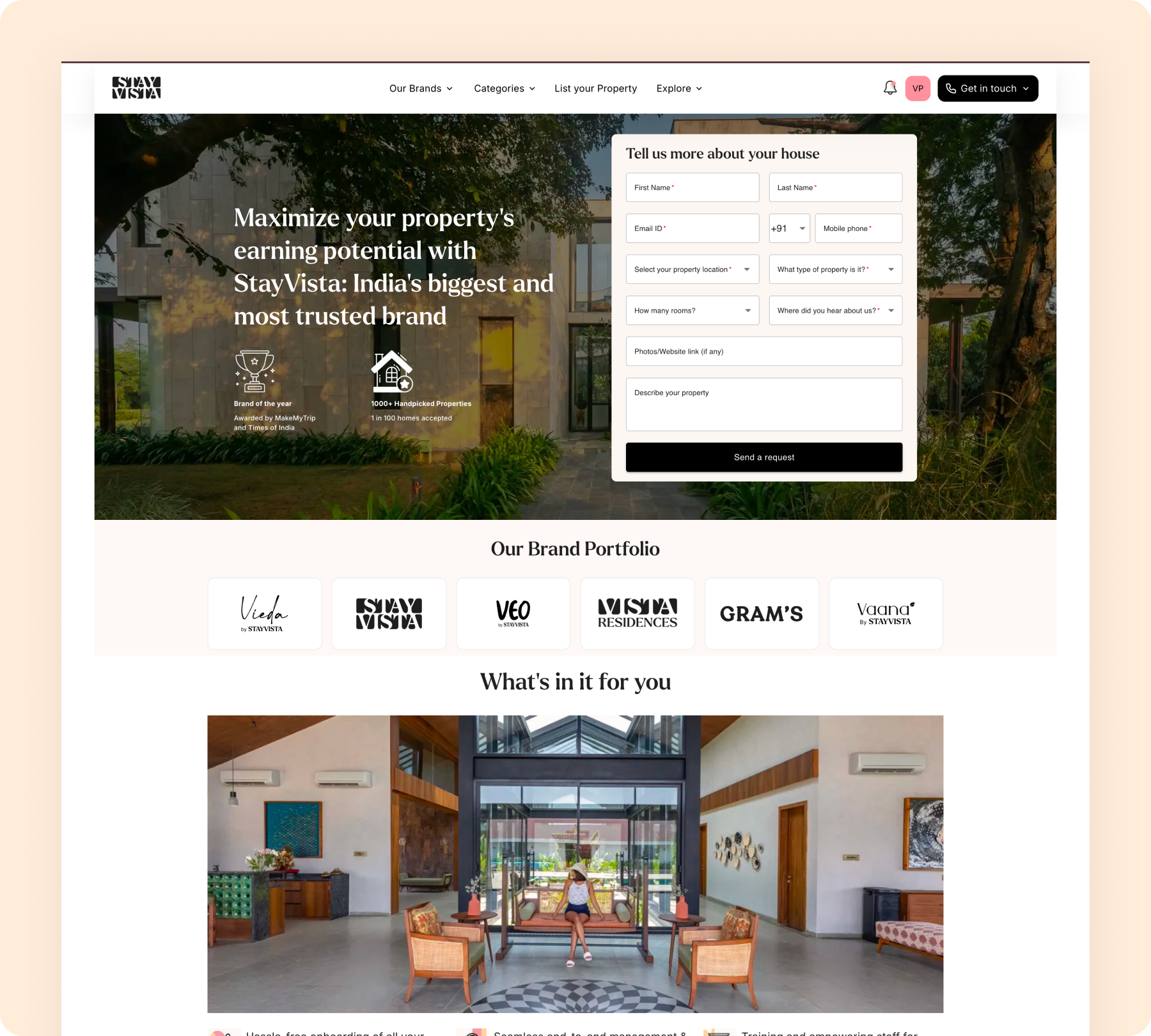
Built a vacation rental platform from prototype to 1,000+ properties across 80+ destinations
 Developed a booking engine with real-time availability, pricing,
and instant confirmation
Built property management tools for hosts to manage listings,
calendars, and guest communication
Created operational dashboards for housekeeping, maintenance,
and revenue tracking
Integrated AI-powered property recommendations based on guest
preferences and booking history
Developed a booking engine with real-time availability, pricing,
and instant confirmation
Built property management tools for hosts to manage listings,
calendars, and guest communication
Created operational dashboards for housekeeping, maintenance,
and revenue tracking
Integrated AI-powered property recommendations based on guest
preferences and booking history
50%
Booking Capacity Increase
30%
Operational Cost Reduction
40%
Faster Booking


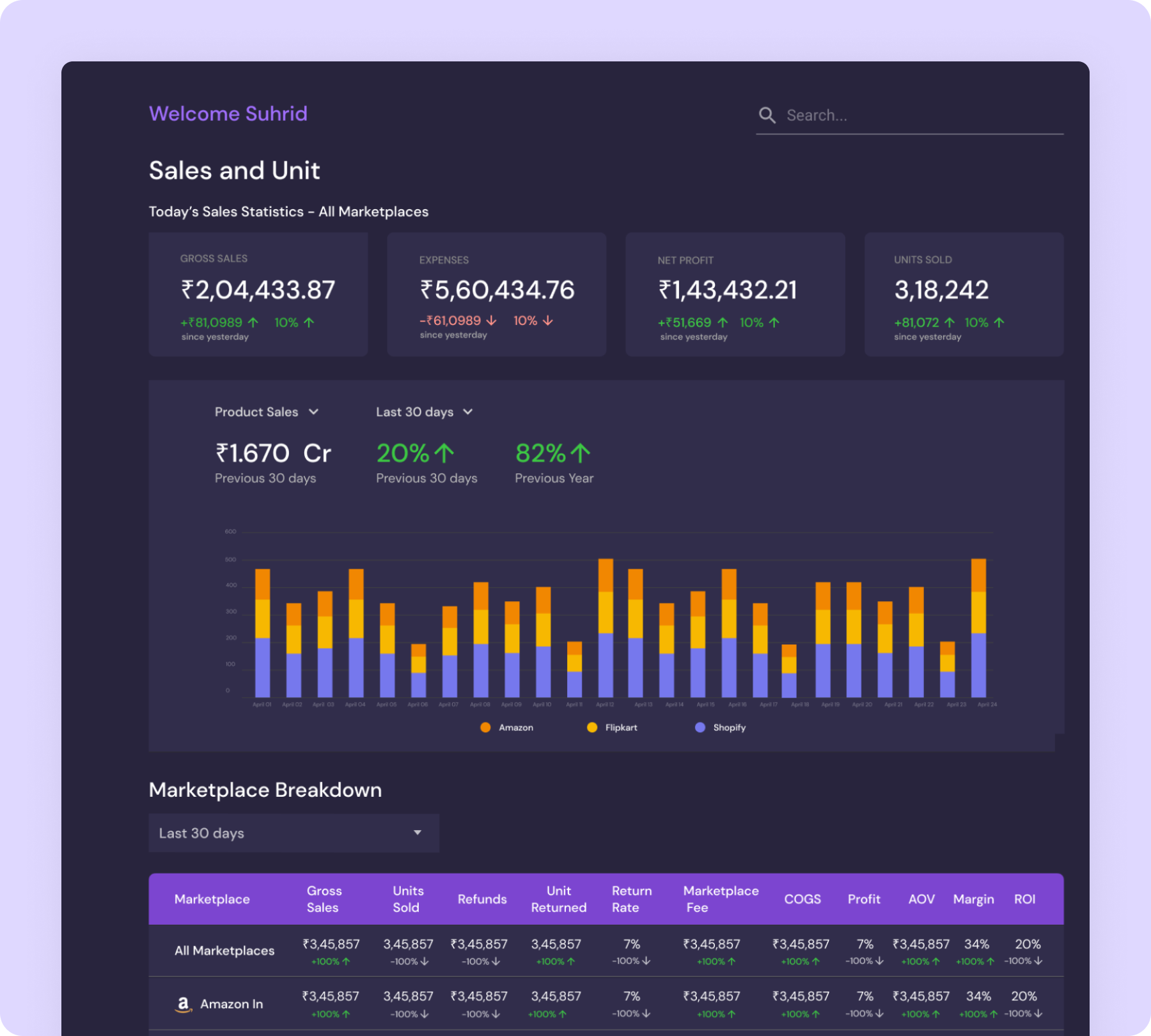
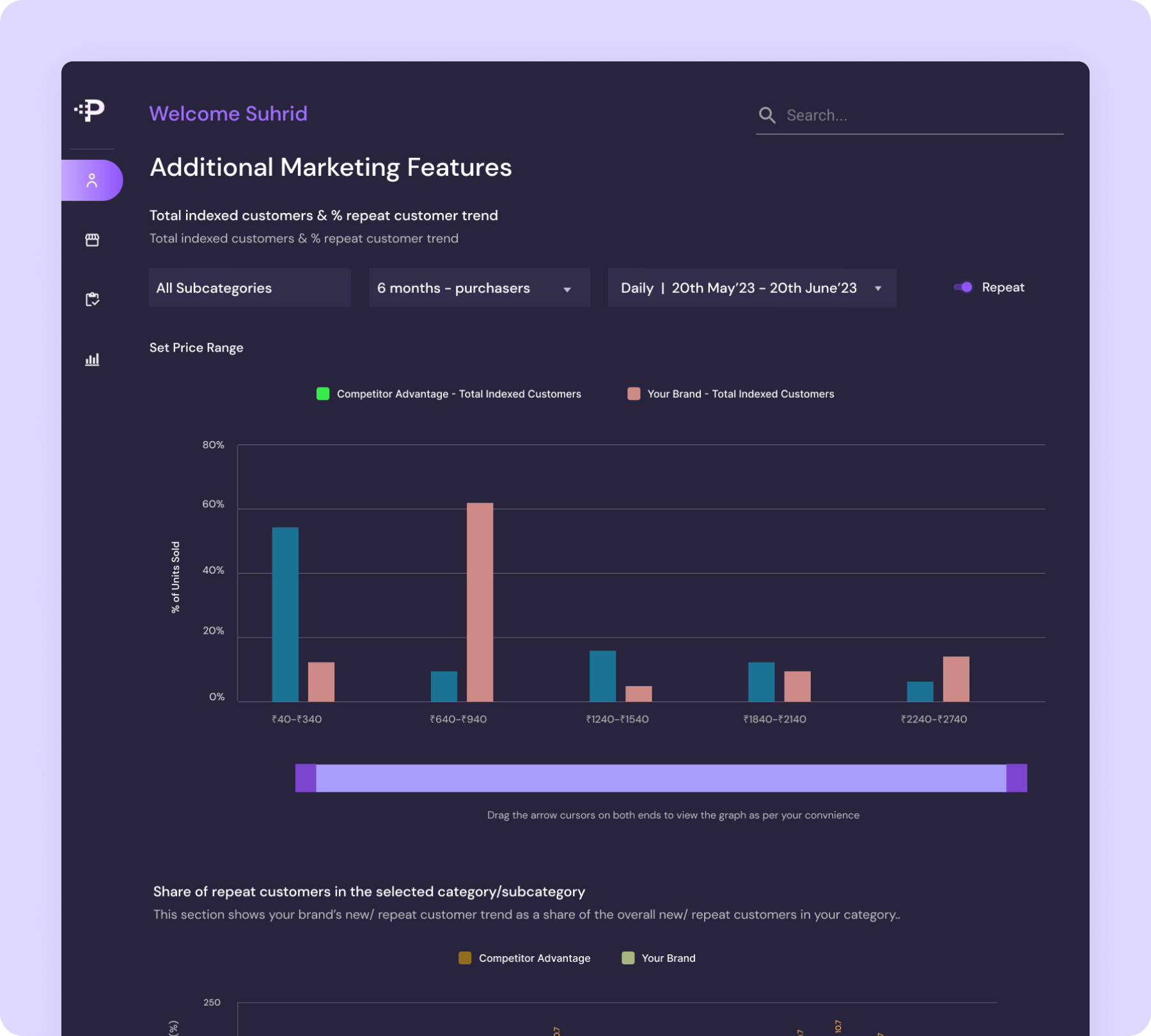
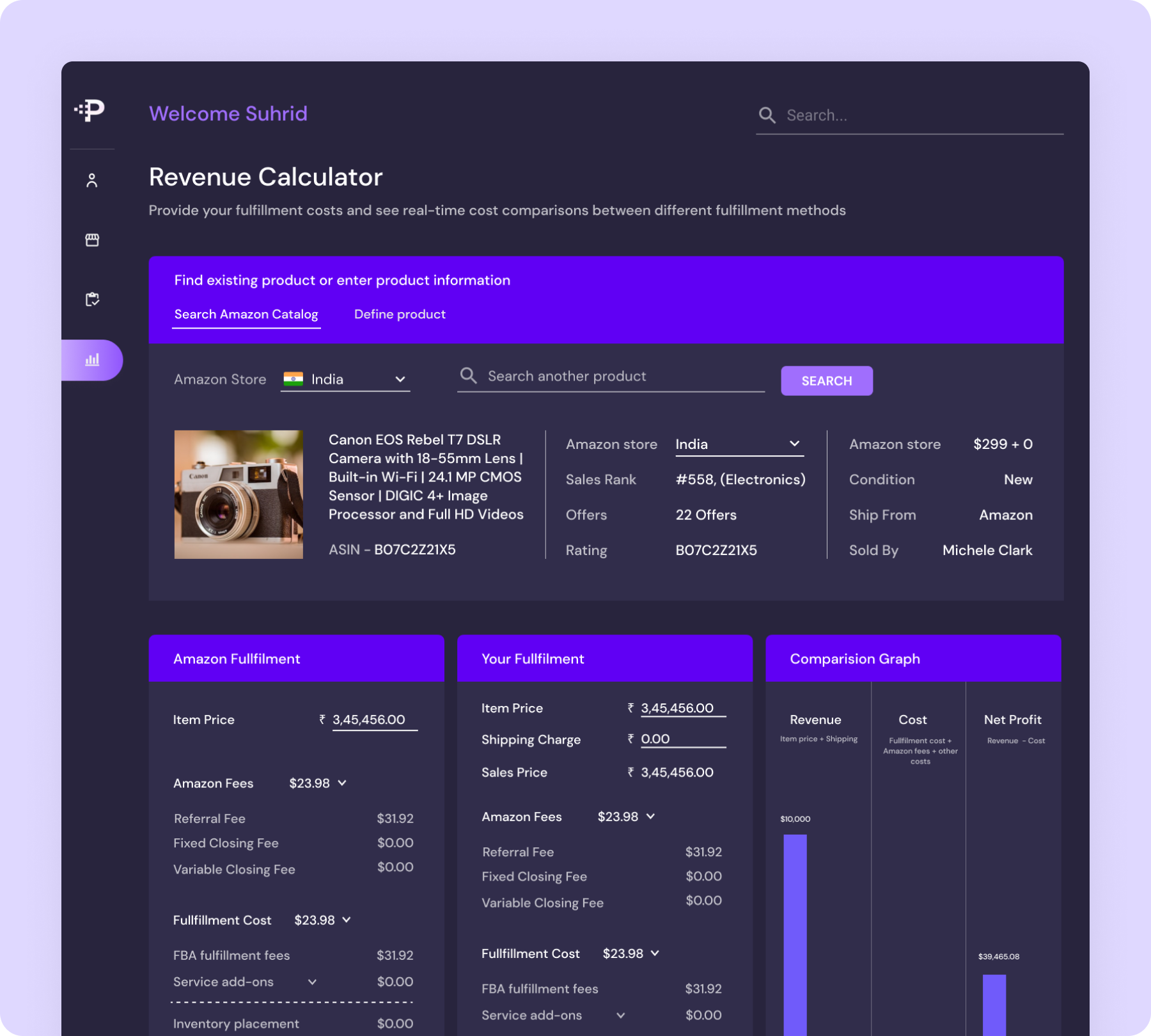
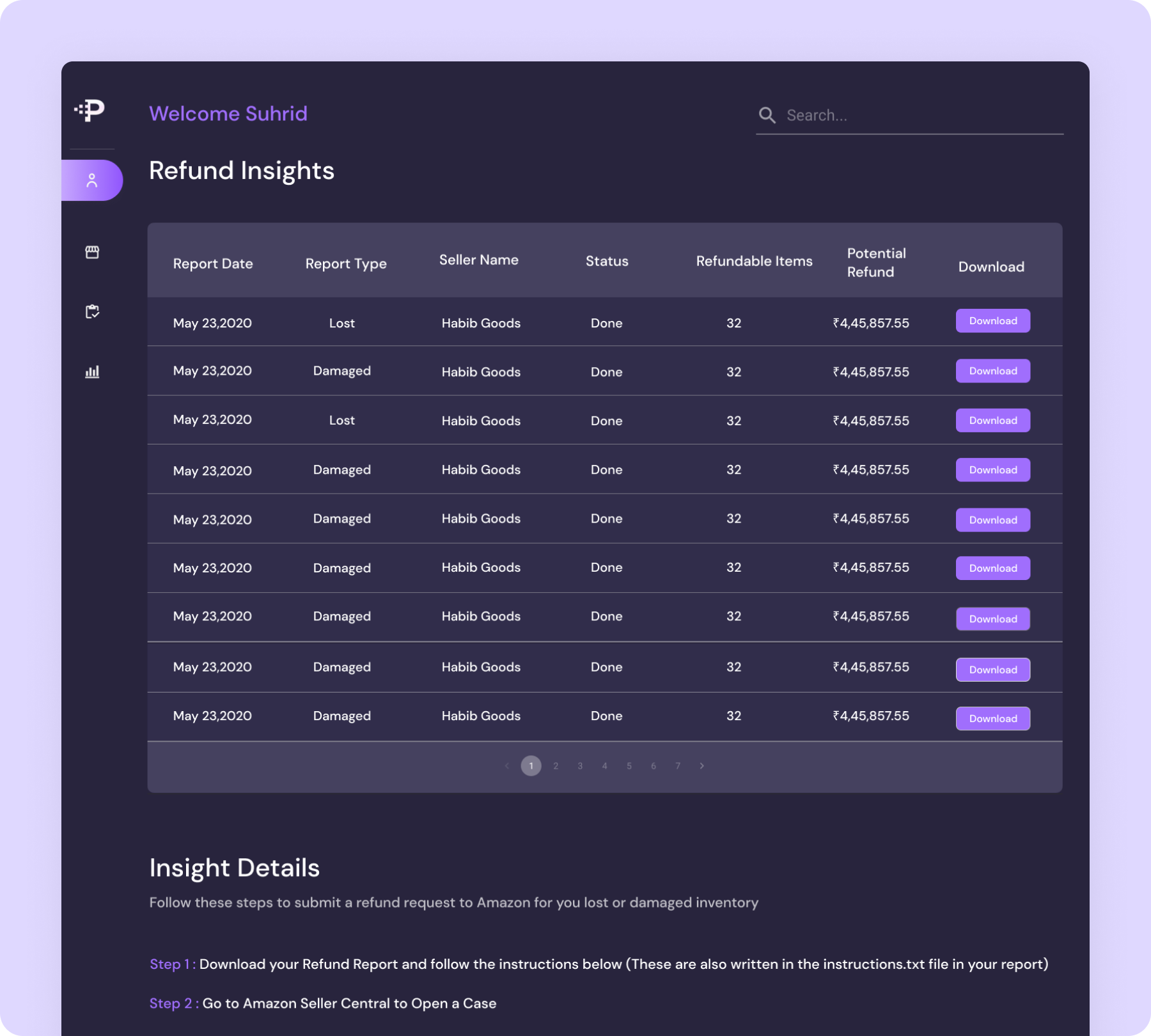
Built a SaaS analytics platform that cut e-commerce reporting time by 50%
Built unified dashboards aggregating data from multiple
marketplace channels
Developed automated inventory management with stock alerts
and reorder logic
Created financial tracking and reconciliation tools for multi-channel
sellers
Integrated data-driven pricing recommendations based on competitor
and demand signals
50%
Faster Reporting
25%
Pricing Accuracy
30%
Reduction in Stockouts

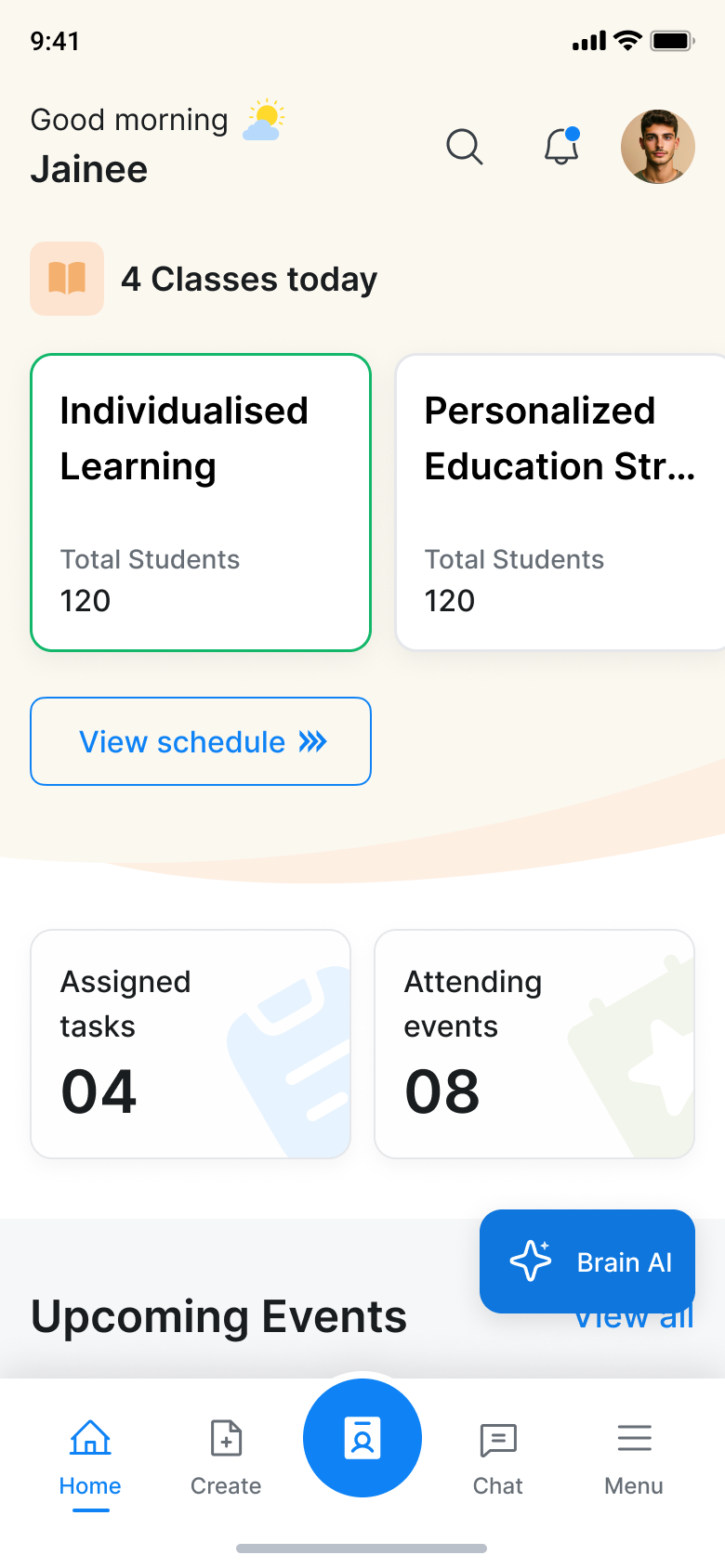
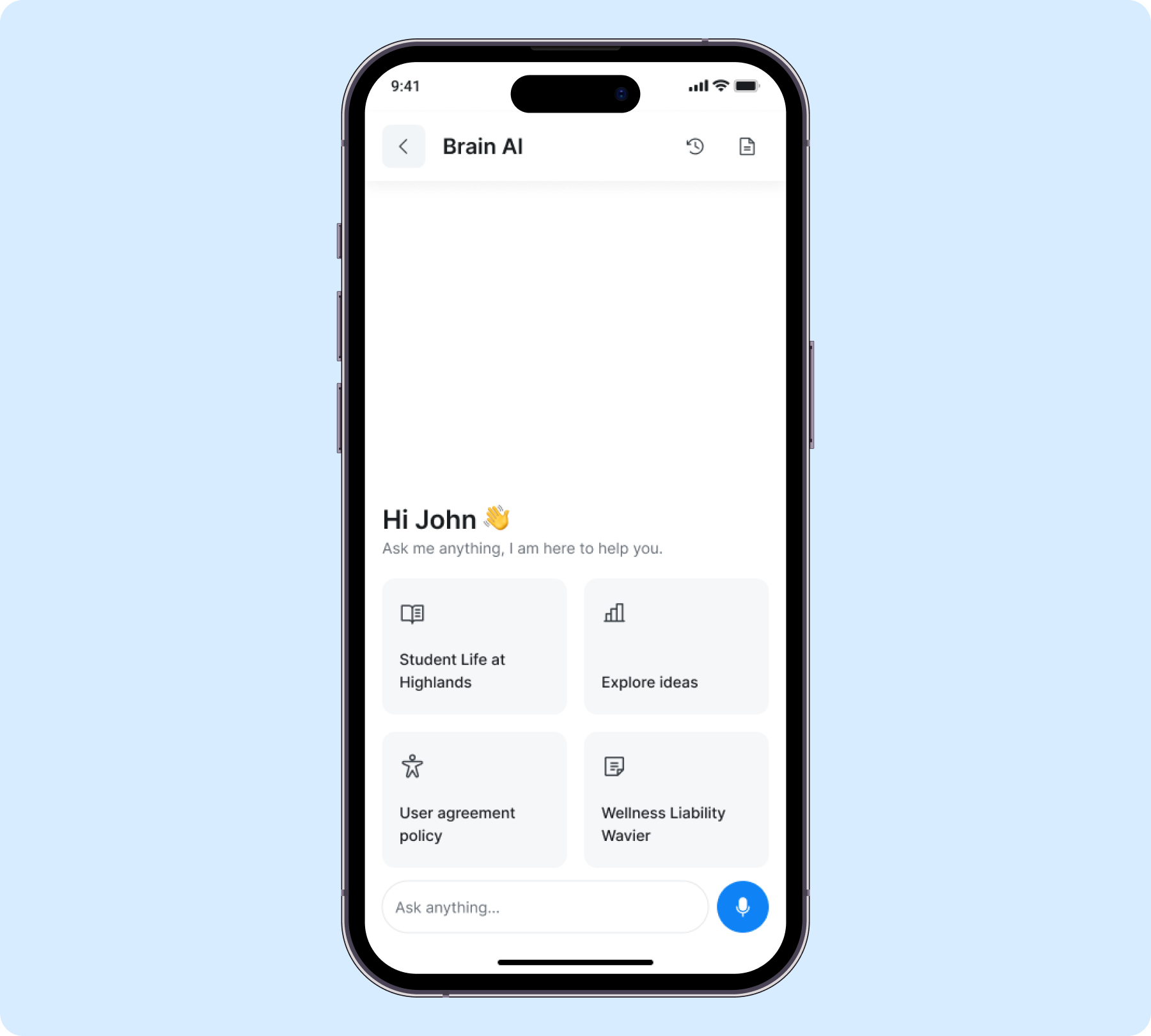
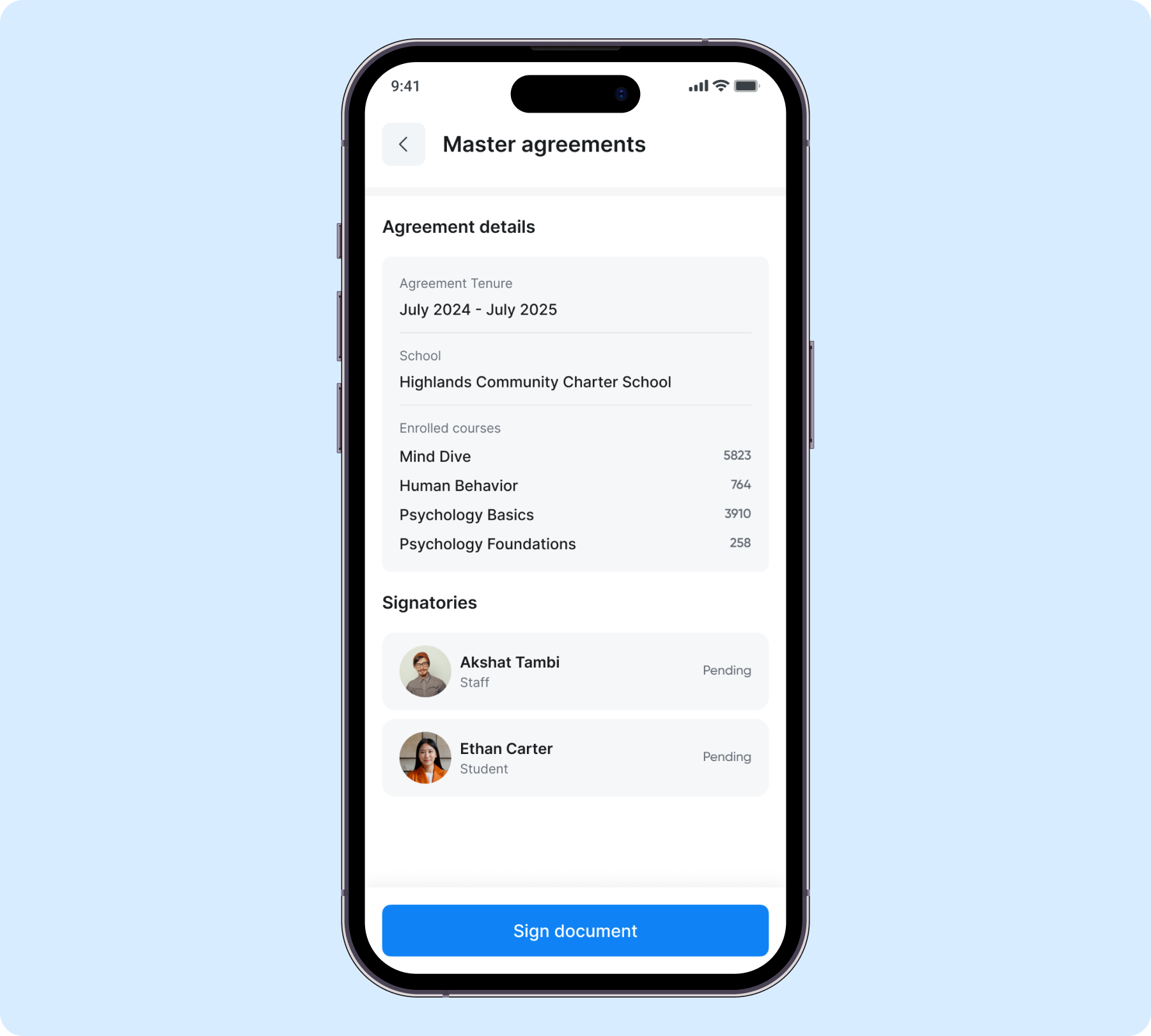
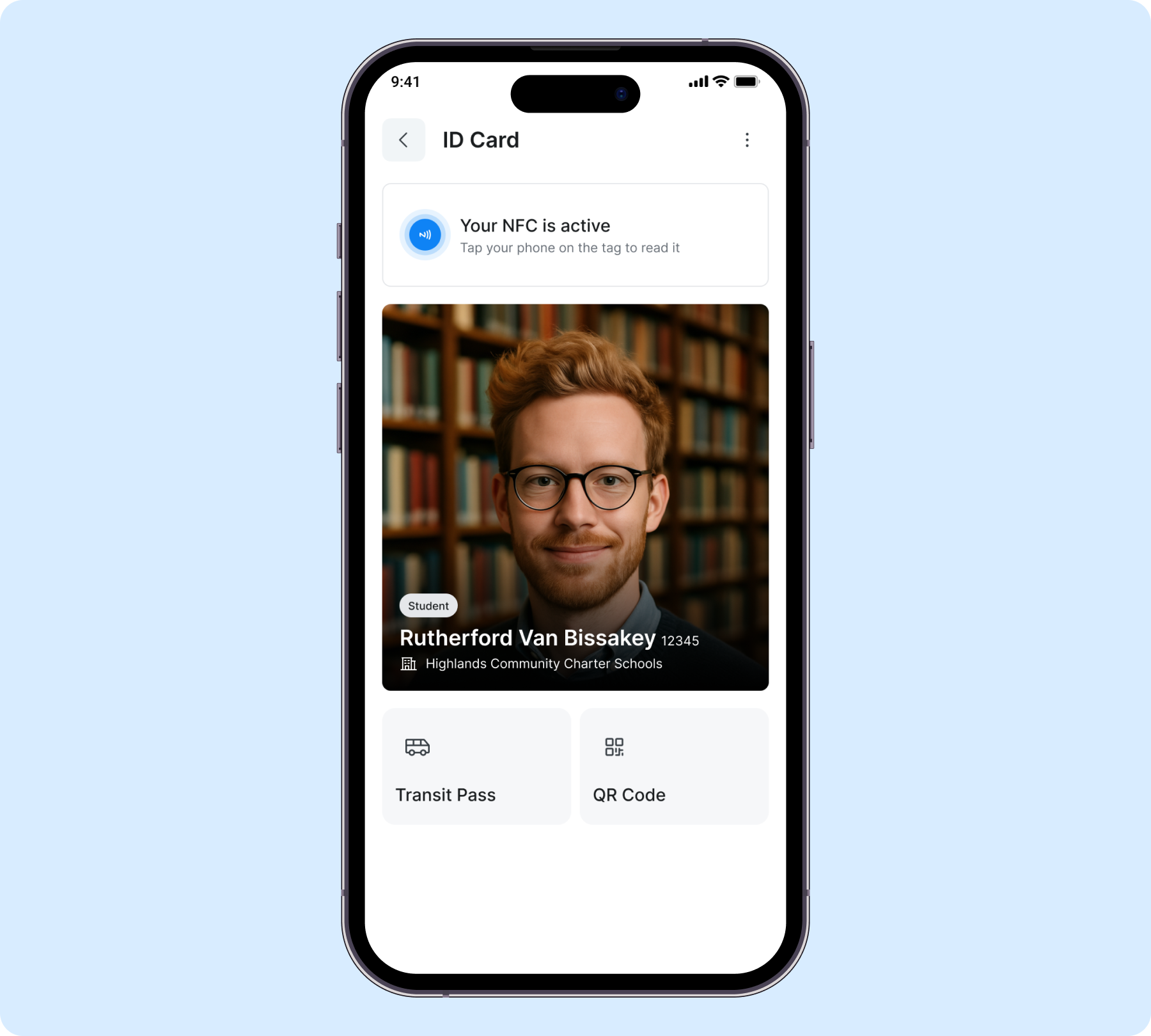
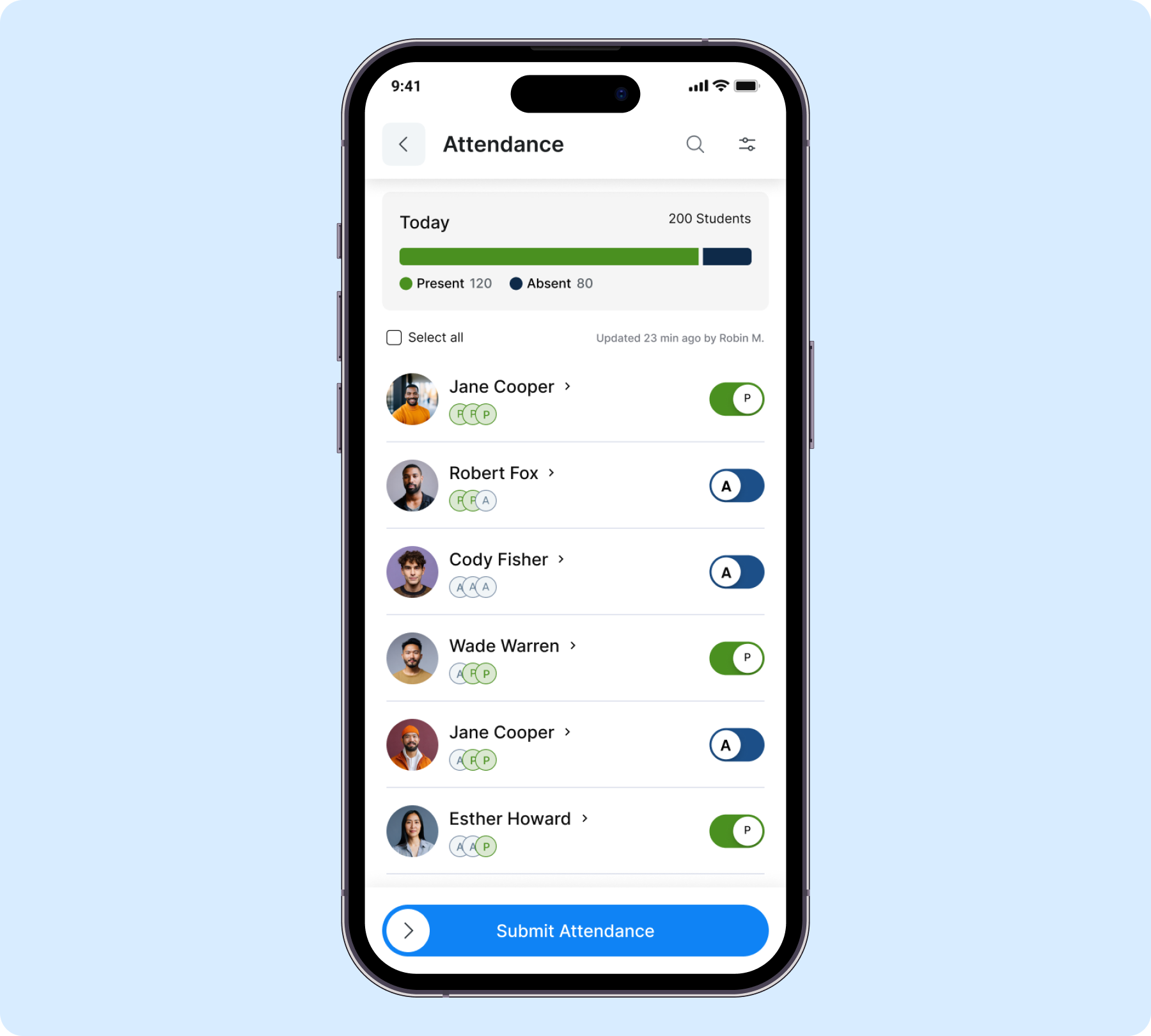
Delivered a learning platform serving 15,000+ adult learners with AI-powered features
Built individualized learning path engine adapting to student
progress and skill level
Developed real-time attendance tracking with automated
compliance reporting
Integrated AI tutoring (Brain AI) and language learning (English
Master) modules
Created staff dashboards for monitoring student outcomes and
managing support workflows
15,000+
Students
25%
Faster English Acquisition
97%
Compliance Effort Reduction
product that needs to scale?




Follow Us

.svg)