








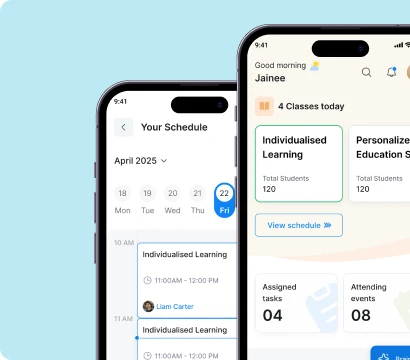
The AI-Native Difference
The gap between a prototype app and a production-ready mobile experience is where most projects fail. We have built apps that scale to hundreds of thousands of users across iOS and Android.
Traditional Mobile Development
Separate Teams for iOS and Android
Duplicate effort, inconsistent features, double the bugs. Every change must be implemented twice.
Manual QA Testing
Device fragmentation means hundreds of combinations. Manual testing catches some issues but misses edge cases until users find them in production.
Months to First Testable Build
Long waterfall cycles mean stakeholders wait months to see anything working. Feedback comes too late to change direction.
Performance Issues Found in Production
Optimization treated as a final step. Real-world performance under load often differs significantly from development environments.
No Ongoing Intelligence
After launch, apps accumulate technical debt. No visibility into which features users engage with, no data to guide improvement.
AI-Native Mobile Development
Shared Codebase With Platform Optimizations
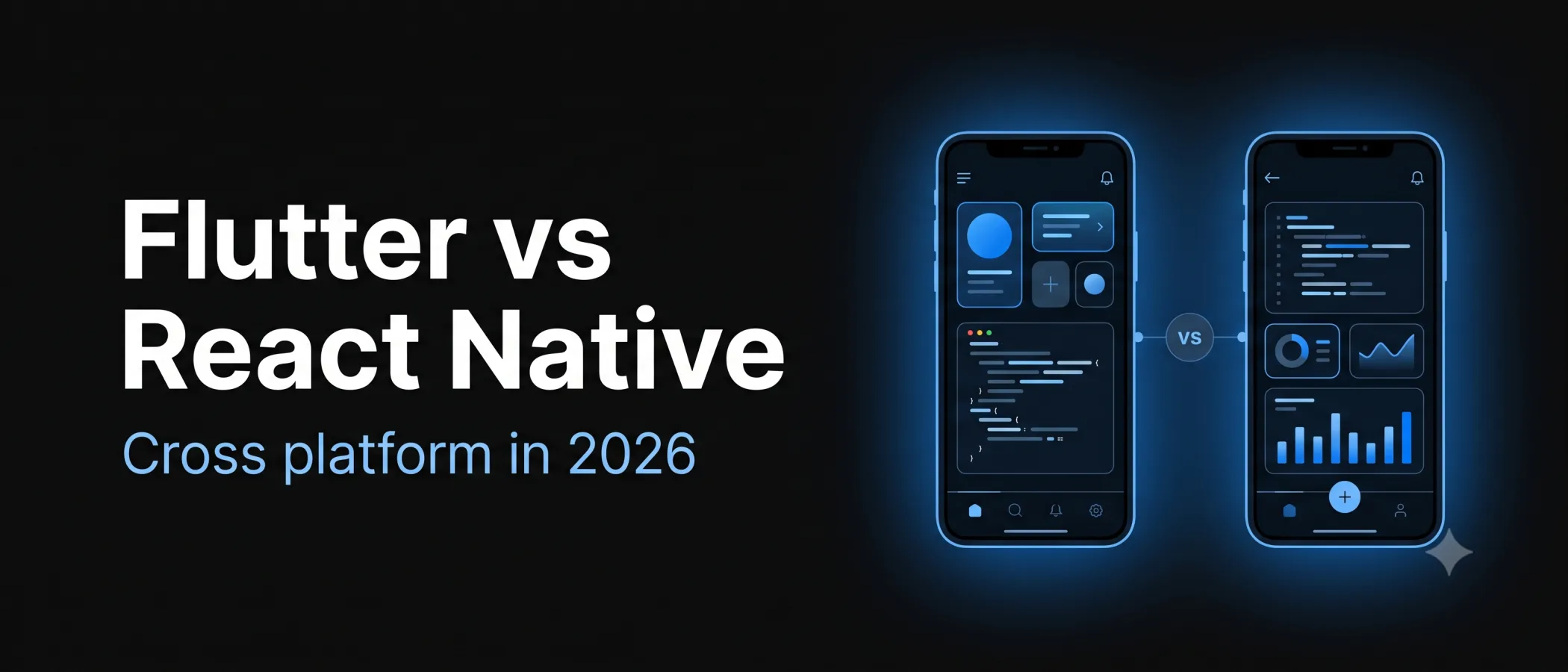
Flutter and React Native deliver cross-platform apps with native performance. One team, one codebase, platform-specific UX where it matters.
AI-Assisted Test Coverage
Automated test generation across device matrices. AI identifies edge cases and generates test scenarios human testers miss.
Testable Prototype in Weeks
Iterative delivery with working builds every two weeks. Stakeholders see real progress and provide feedback while the product can still change.
Performance Built In
Performance budgets, profiling, and monitoring built into the development process from day one, not bolted on at the end.
Instrumented for Growth
Post-launch analytics, crash reporting, and feature flags built in. Data-driven decisions on every update.
What We Deliver

Native iOS & Android Apps
High-performance apps built with Swift and Kotlin. Platform-specific UX patterns, native APIs, and hardware integration for apps that feel right on every device.

Cross-Platform Development
Single codebase apps using Flutter and React Native that deliver near-native performance on both platforms. Faster development, consistent UX, lower maintenance.

No-Code / Low-Code Mobile Apps
Rapid prototyping and MVP development using FlutterFlow. Get to market fast, validate ideas, and iterate based on real user data before investing in custom code.

App Modernization & Migration
Upgrade legacy mobile apps to modern frameworks. Improve performance, add new features, and migrate from outdated tech stacks without starting from scratch.

API & Backend Integration
Connect your mobile app to existing systems, third-party services, and cloud infrastructure. RESTful APIs, GraphQL, real-time sync, and offline-first architecture.

App Maintenance & Optimization
Post-launch support including performance monitoring, crash analytics, OS version updates, and feature enhancements. Keep your app running smoothly as it scales.
Technology Stack













Our Work

 Health
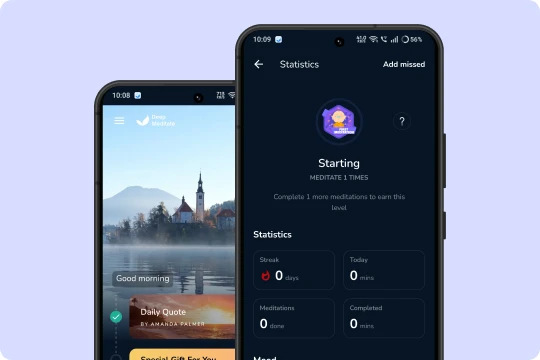
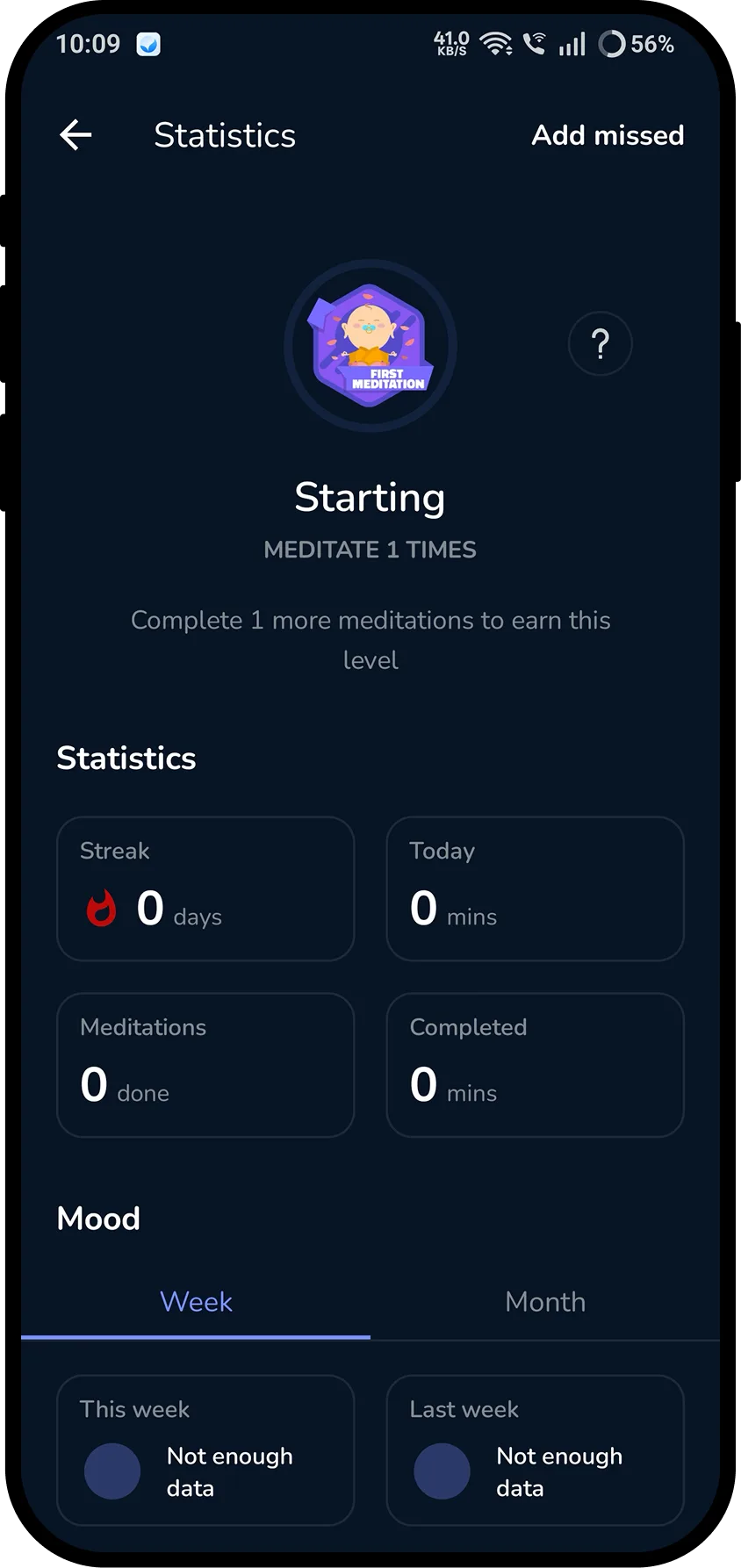
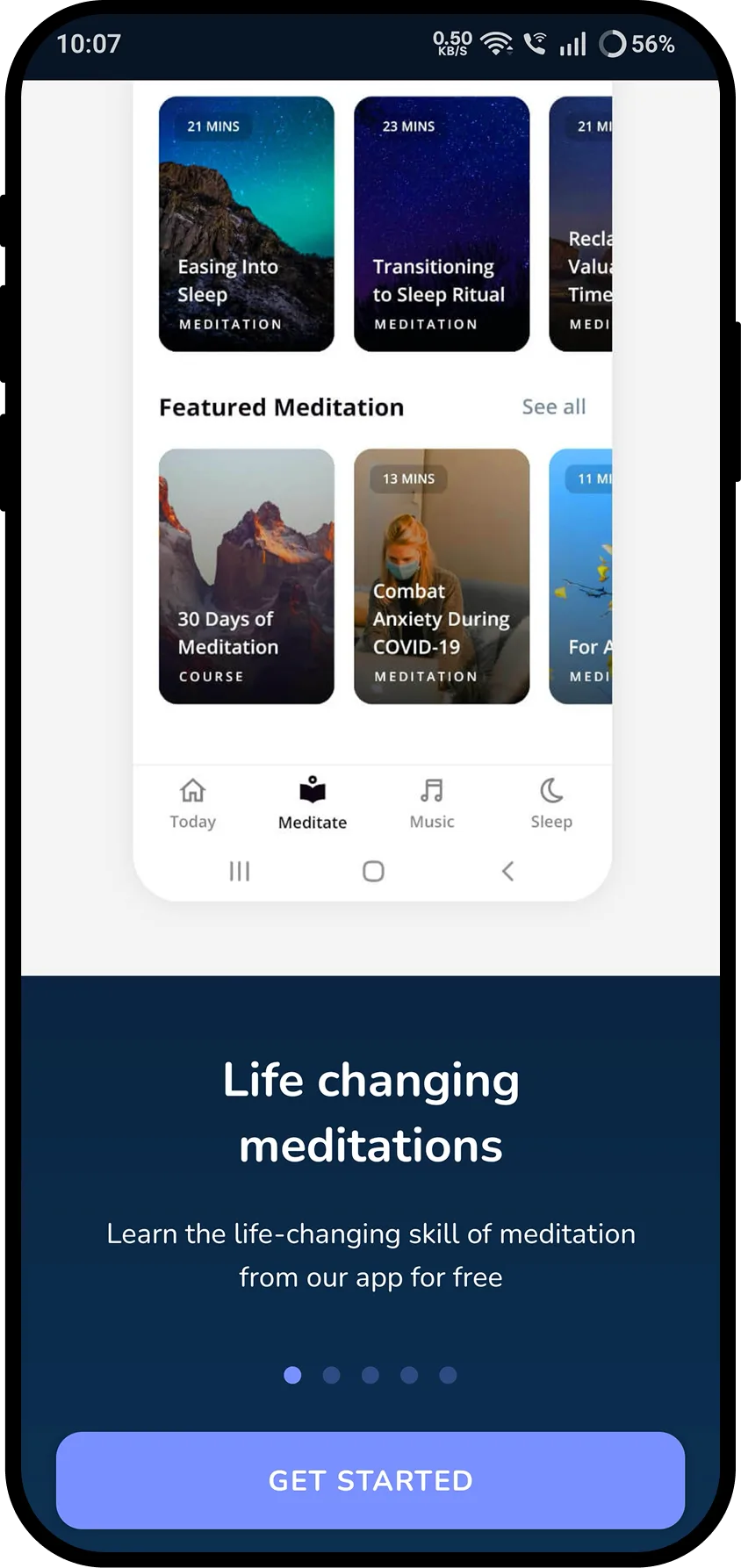
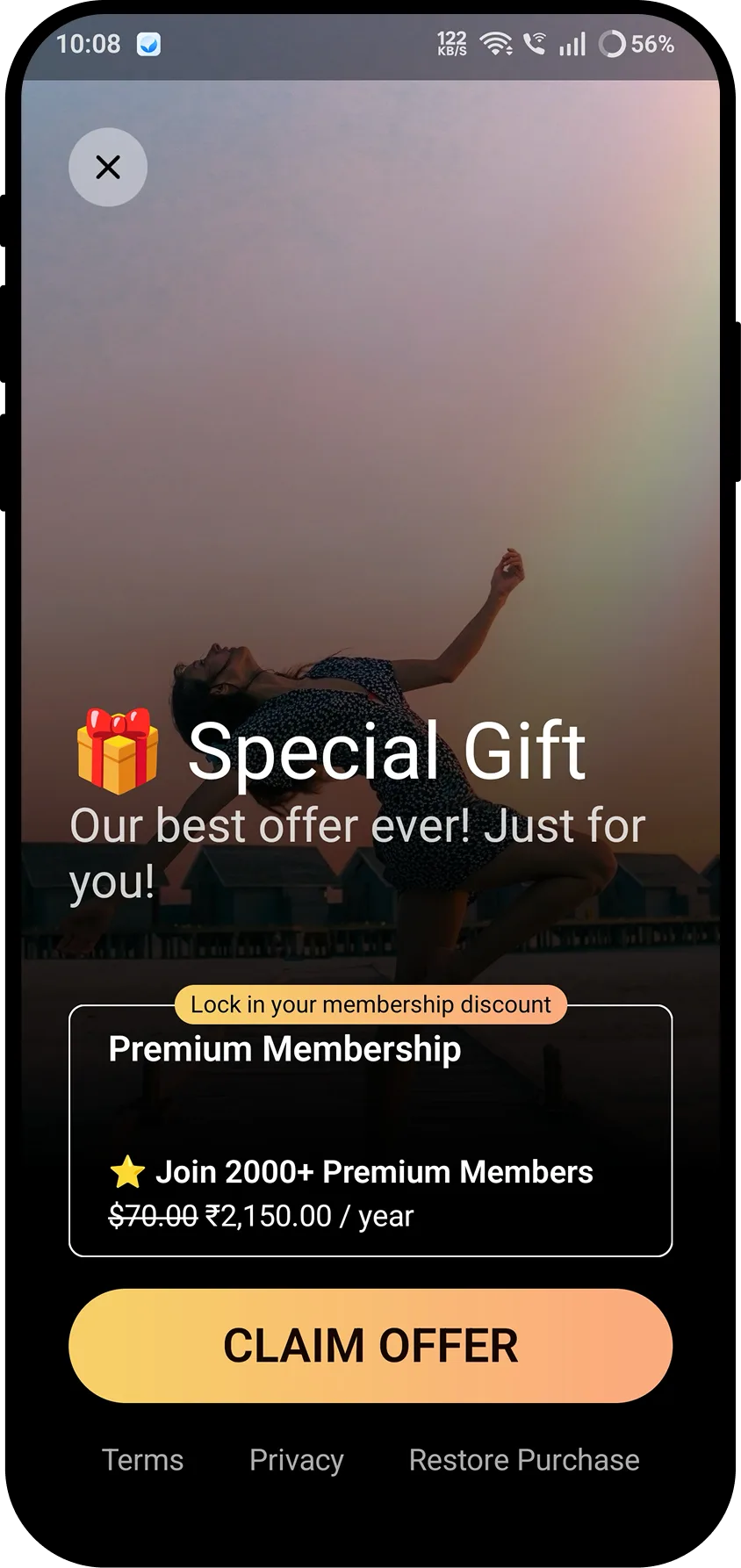
Shipped Deep Meditate, native iOS and Android meditation apps with 500K+ downloads and a 4.8 star rating
500K+
Downloads
4.8
Store rating
+60%
Engagement lift
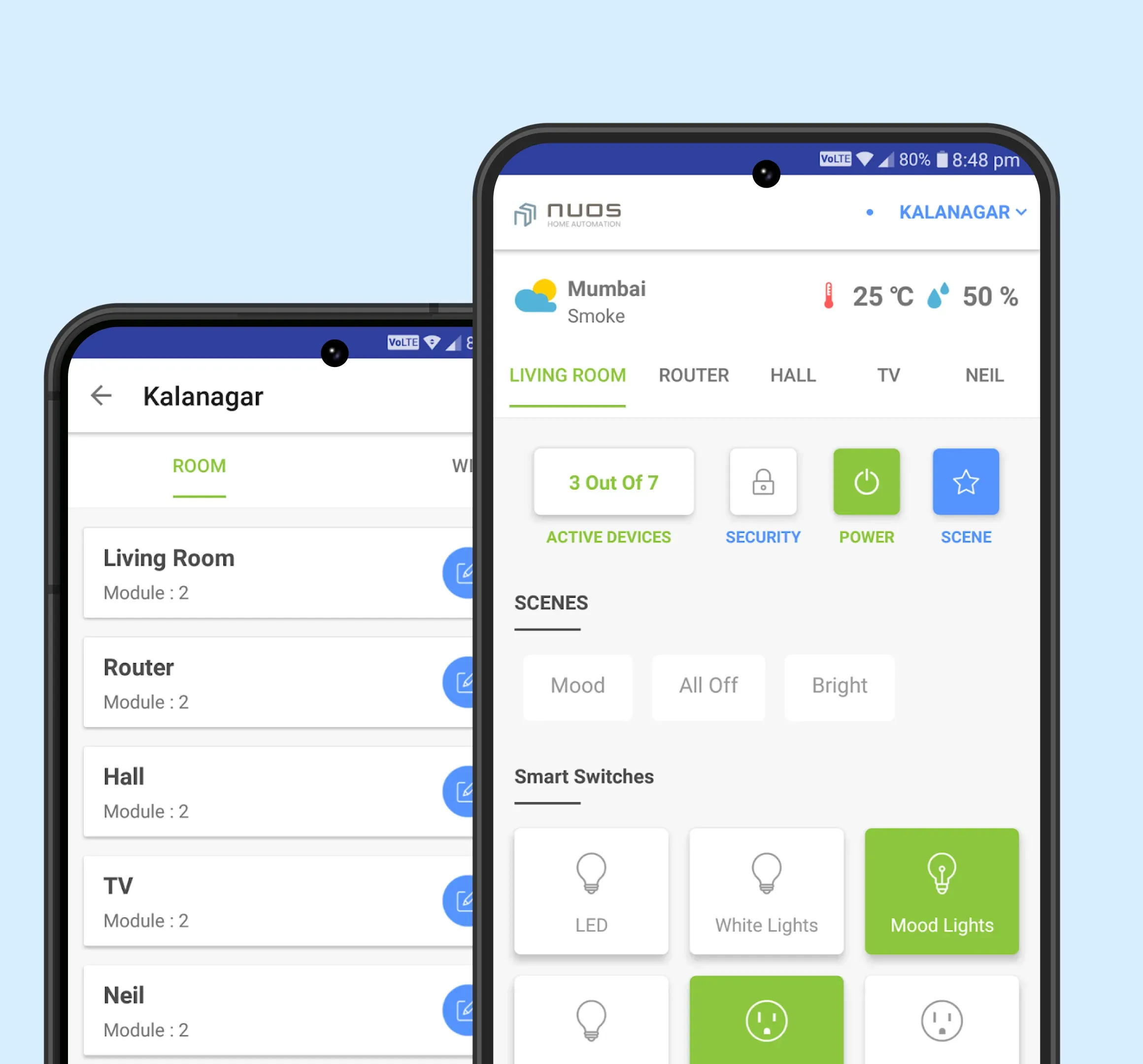
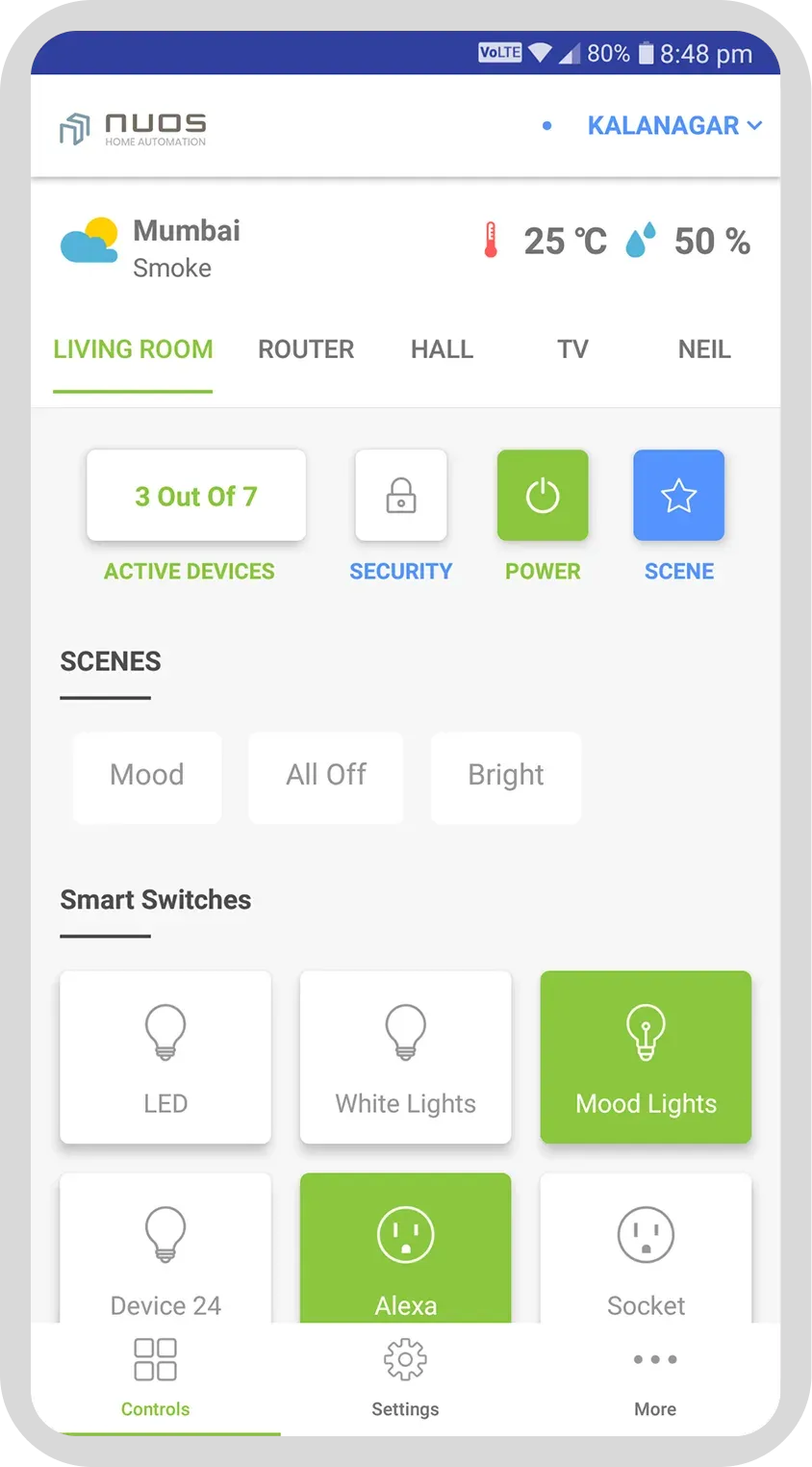
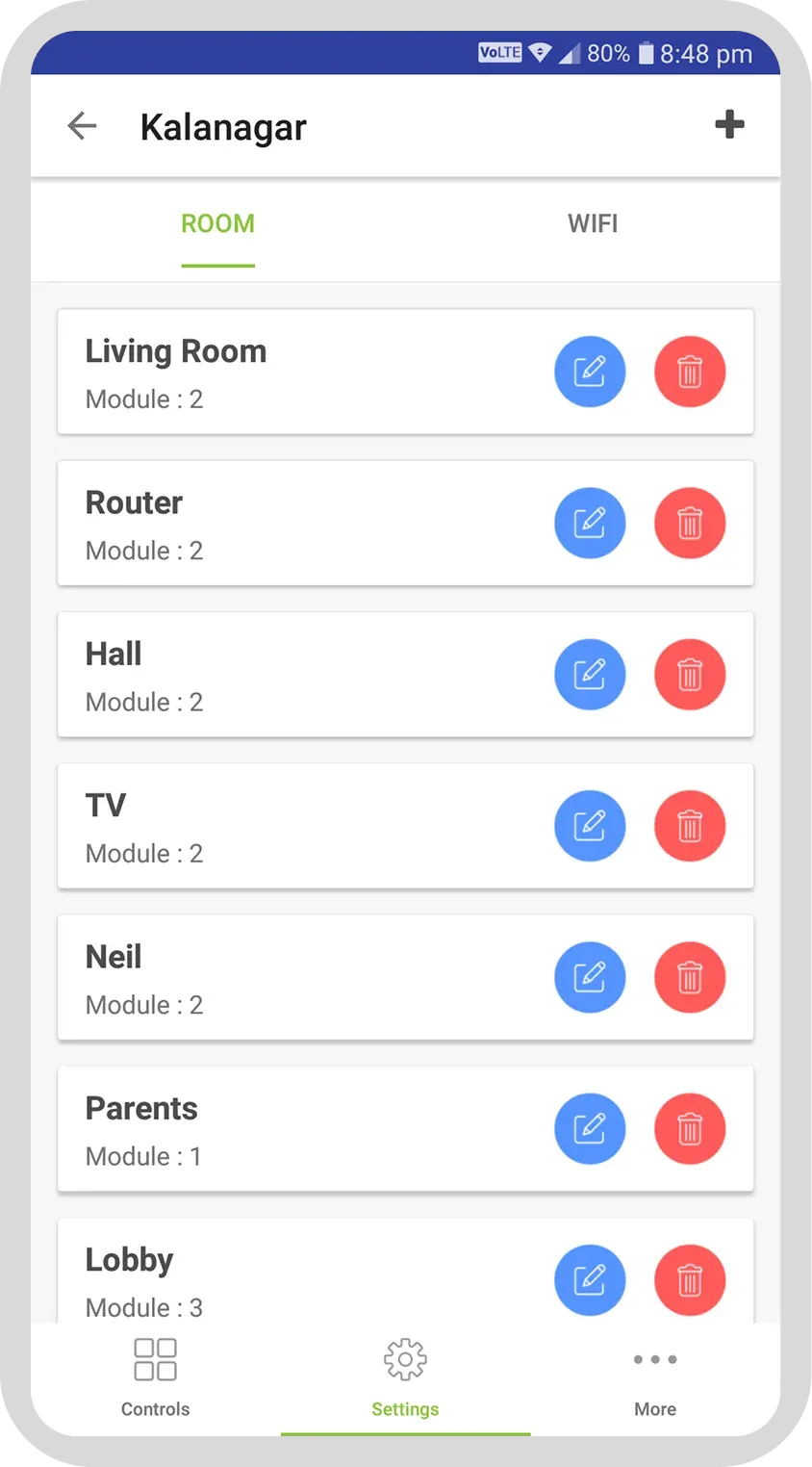
Built native consumer and installer apps for a smart-home product line with real-time sync
2x
Consumer app satisfaction
40%
Faster smart-home configuration
Real-time
Sync across users & devices

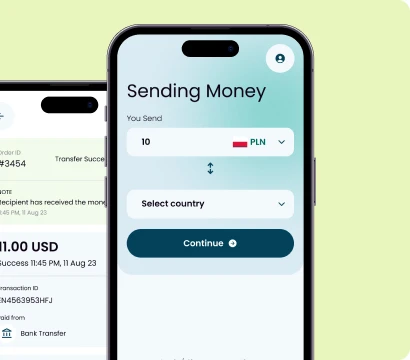
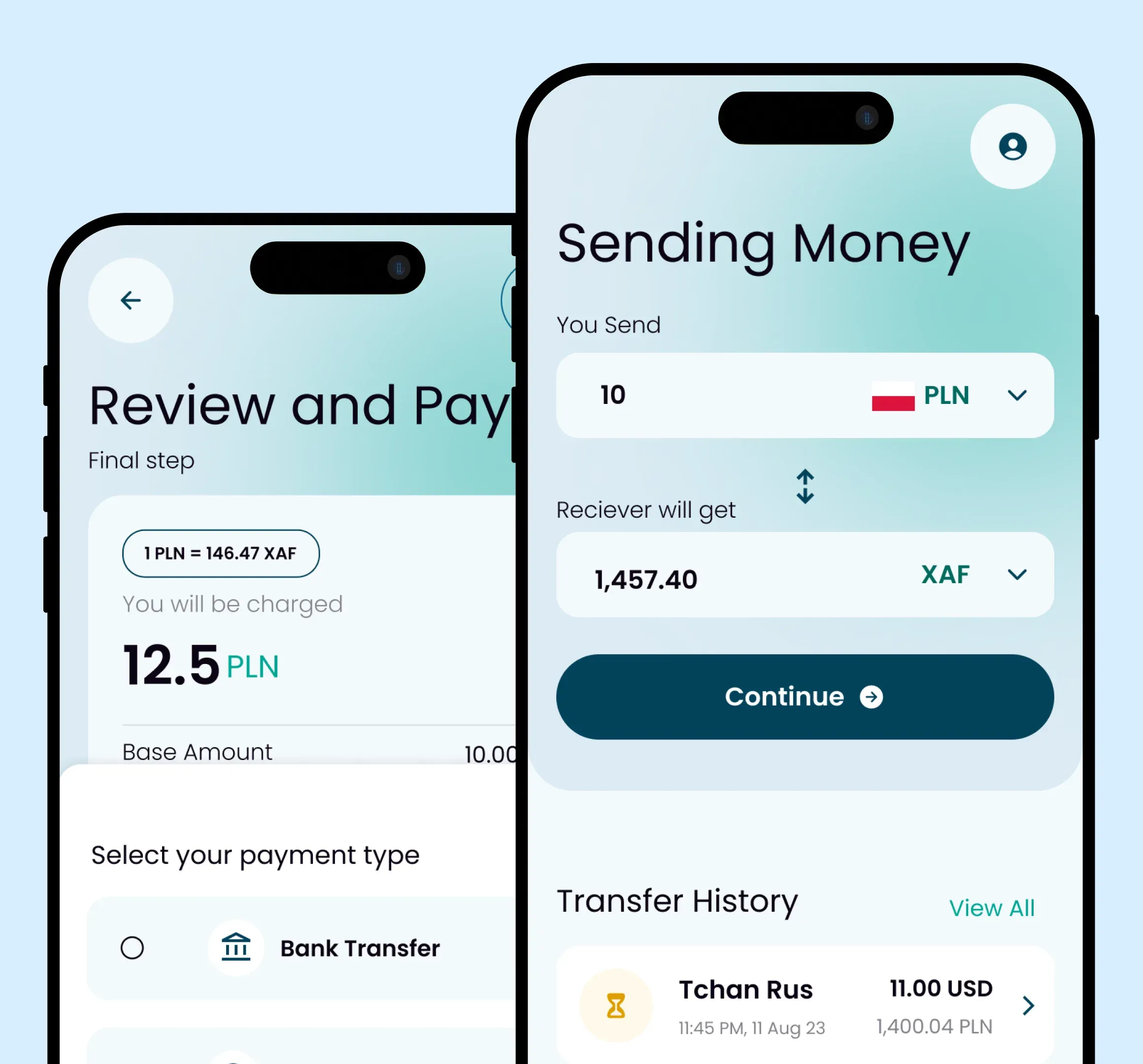
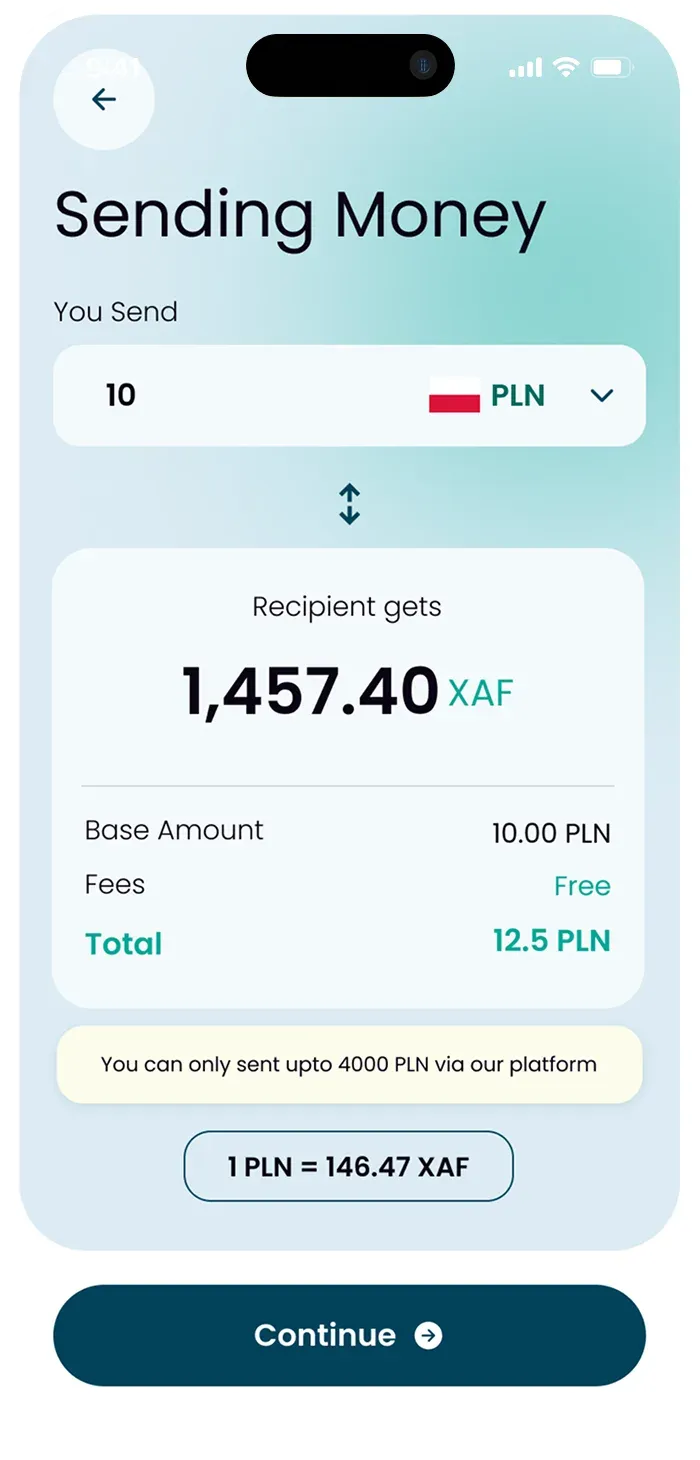
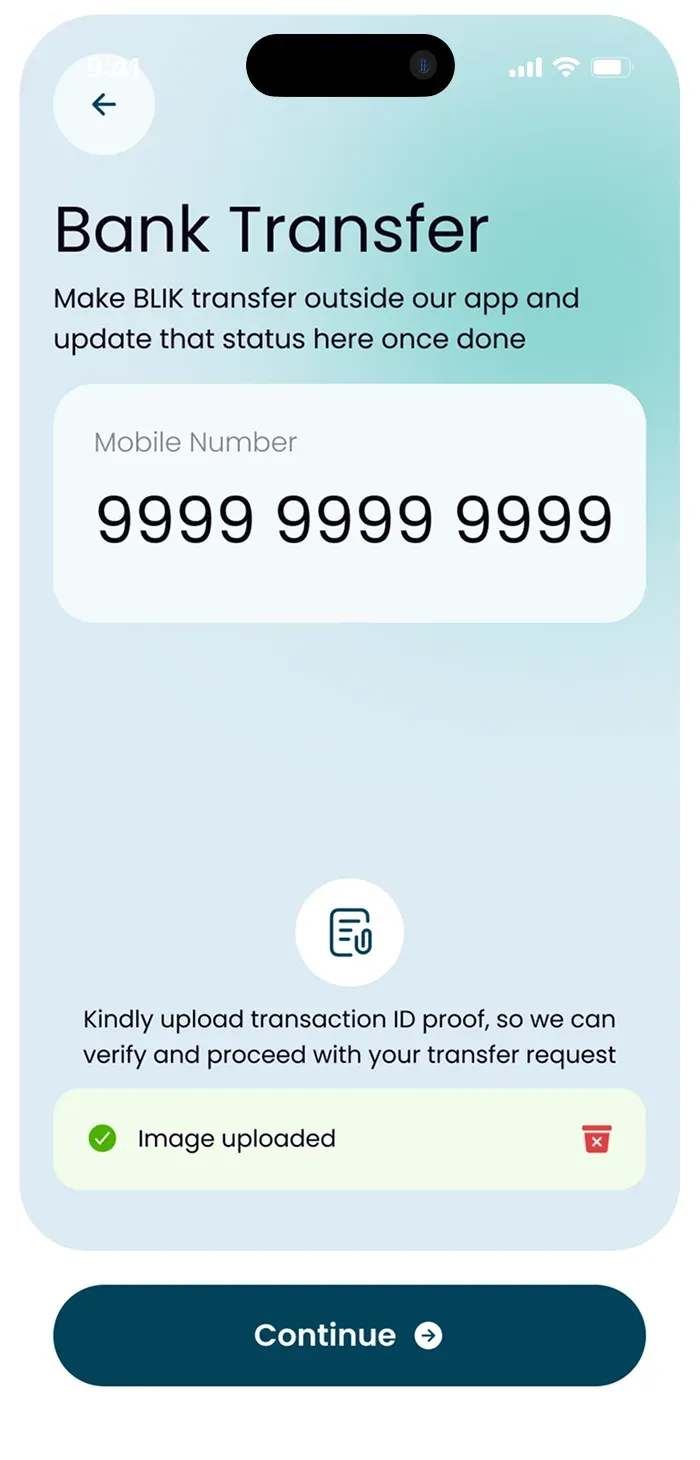
Built a cross-border remittance app moving money from Europe to Africa across five corridors
5
Remittance corridors across Africa
85%
Transfers under 10 minutes
4.2★
Google Play rating
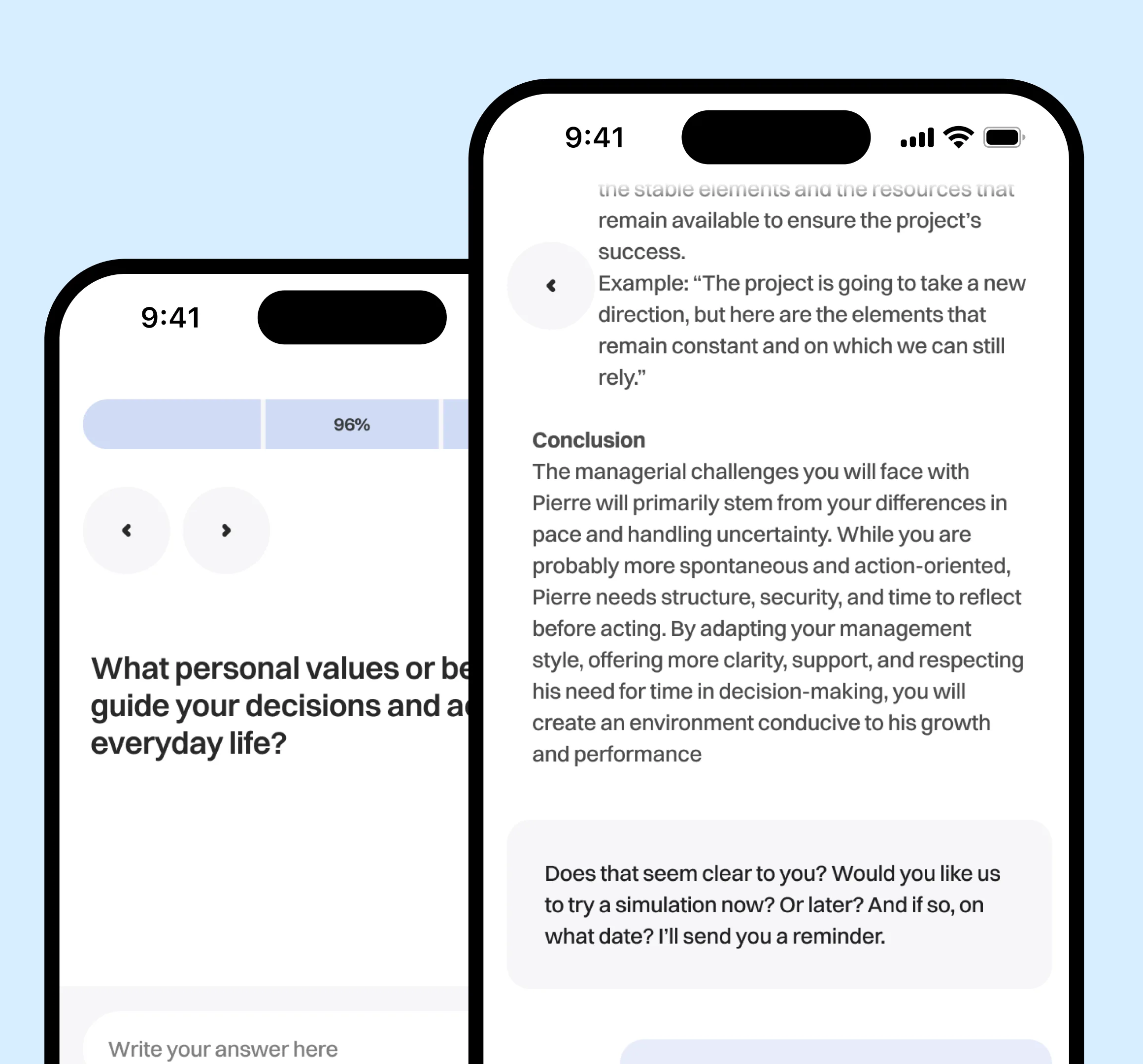
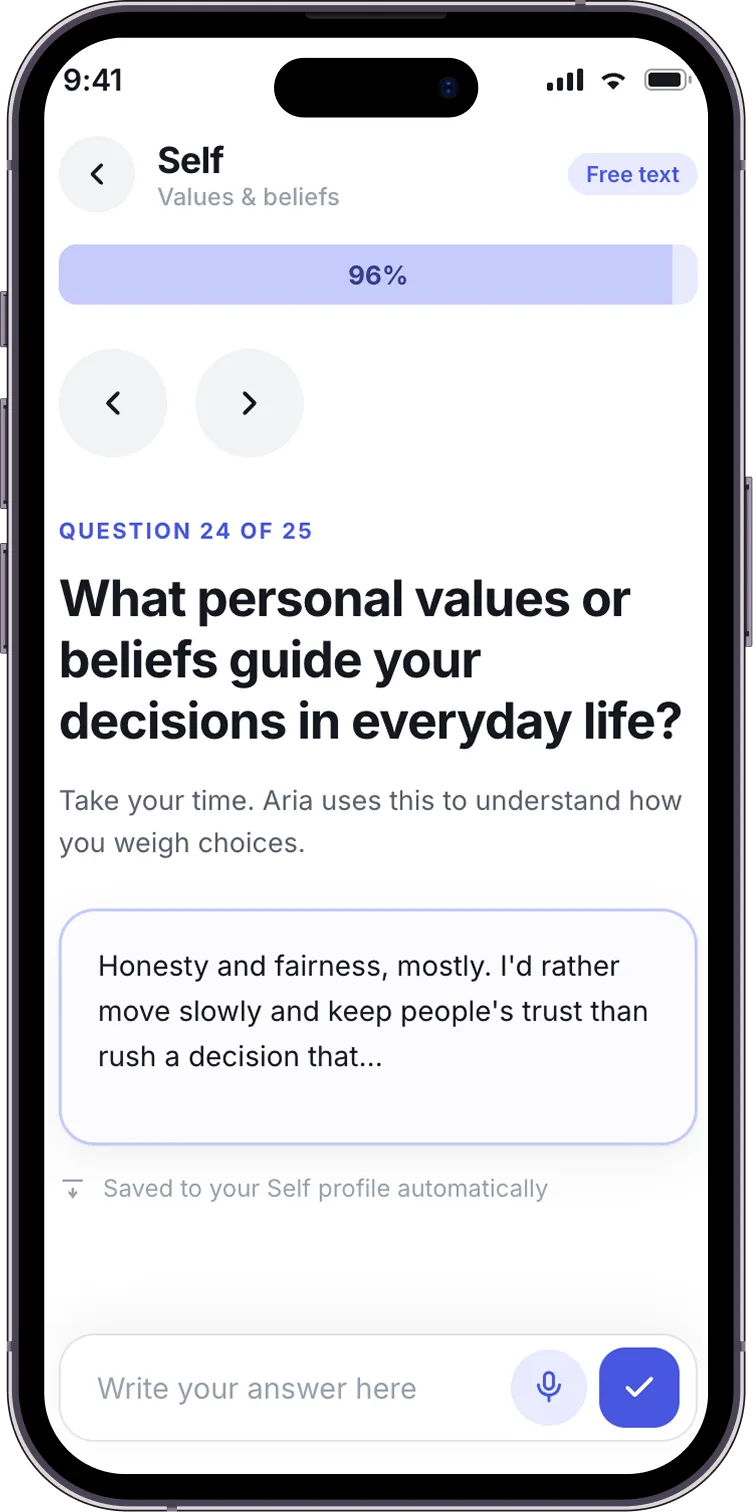
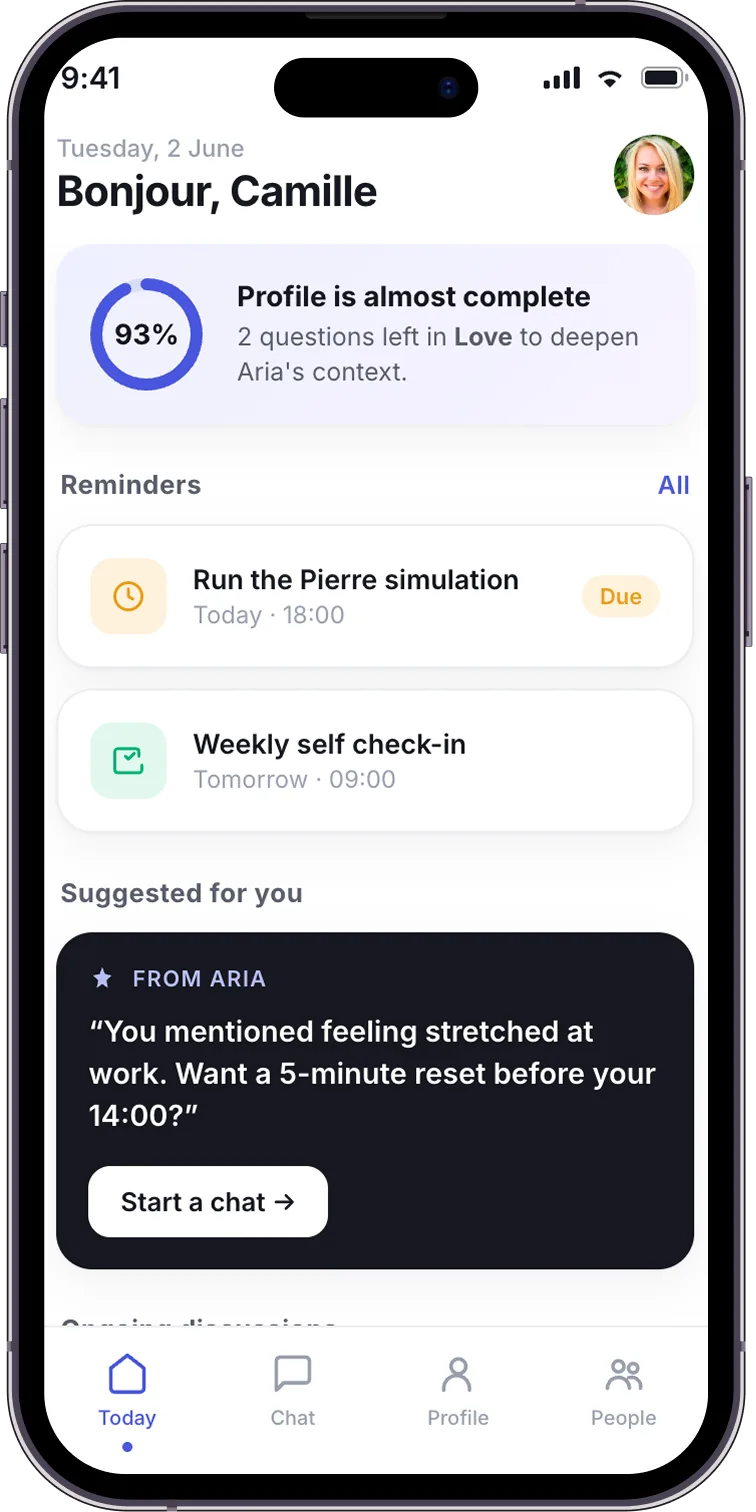
Shipped an AI chat platform with text and voice for a consumer wellness brand
Text + Voice
AI conversation
5 domains
Profiling coverage
iOS + Android
Live mobile app
What does a mobile app development company do?
A mobile app development company designs, builds, tests, and ships apps for iOS and Android, then keeps them healthy after launch. The work covers product strategy, UX design, native or cross platform engineering, the backend APIs behind the screens, app store submission, and ongoing releases. A strong partner also owns crash monitoring, analytics, and the roadmap that follows launch.
We have shipped 250+ products for international clients over 12+ years. Most of our mobile clients are US startups and enterprises, served from our engineering hub in Mumbai, where the assigned team aims for at least 4 hours of overlap with your business day. Below are the questions founders and product leaders ask us most often before committing to a build.
How much does mobile app development cost?
Our published estimate ranges start at $10,000 for tightly scoped work, with a typical mobile app MVP or pilot at $15,000 to $50,000, a growth stage app $50,000 to $150,000, and enterprise programs $150,000 and up. Every figure is an estimated range scoped against your actual feature set before work starts, never a fixed menu price.
The real cost drivers are the number of user roles, backend complexity, third party integrations, and offline or real time features, not the day rate. Our blended rate runs $25 to $50 per hour against the $150 to $300 per hour US specialists typically bill for the same senior scope. US buyers can see the full comparison on our mobile app development company USA page.
Native or cross platform, which should you choose?
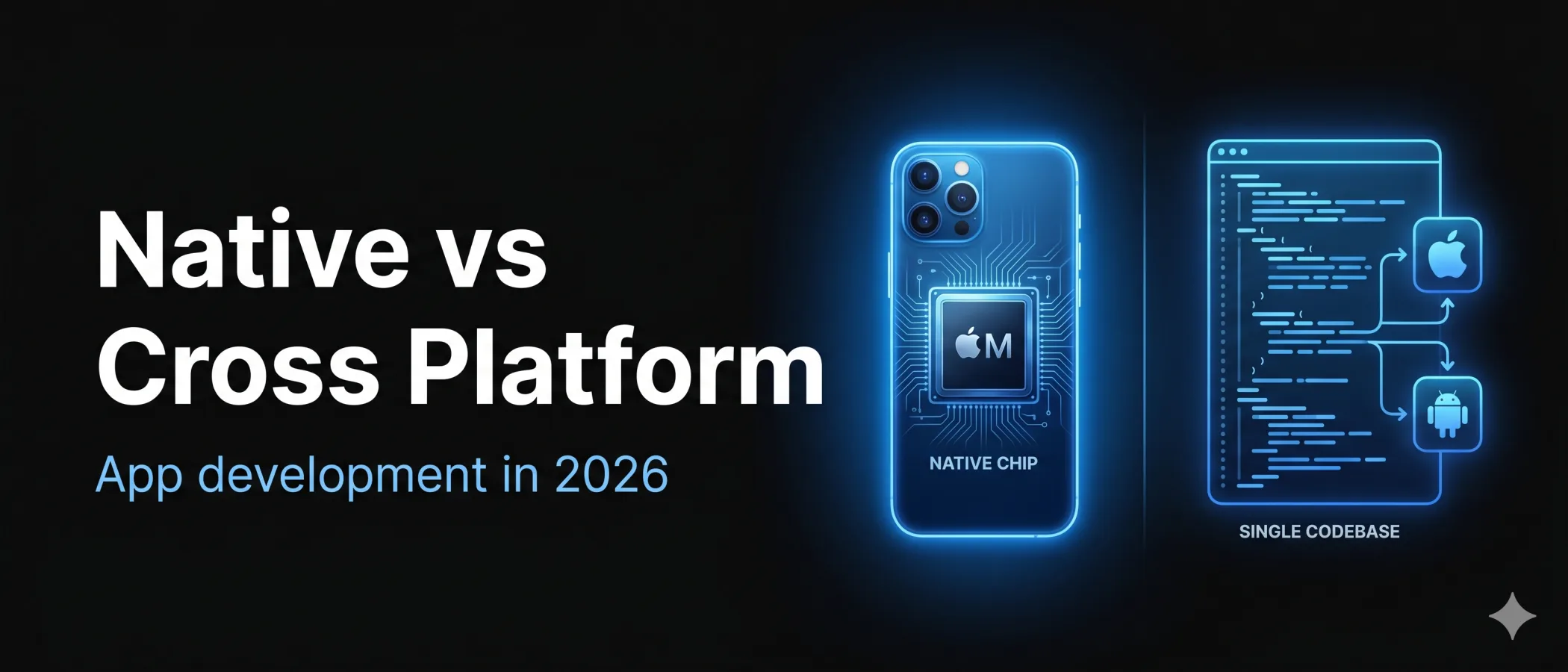
Cross platform with Flutter or React Native is the right default for most products, because one codebase ships to both iOS and Android at meaningfully lower cost. Go native with Swift or Kotlin when the app depends on heavy graphics, intensive device hardware, or platform specific capabilities that a shared codebase cannot reach cleanly.
In practice we scope both options during discovery and recommend the cheaper path that still clears the performance bar. Most MVPs and internal apps land on Flutter, and you can hire a Flutter developer from the same bench that builds our client apps. Products that already run a React web app often pair naturally with React Native instead.
How long does it take to build a mobile app?
A mobile app MVP typically takes 2 to 3 months from kickoff to a release real users can install. Larger builds with complex integrations, offline sync, or compliance requirements run 3 to 6 months. Integration surface and decision speed move the timeline more than raw screen count does.
We ship a working build to TestFlight or an internal Android track every sprint, so you review the actual app rather than a slide deck. If speed to validation is the whole point, our MVP development service is scoped for exactly that first release.
How does an AI native team build mobile apps faster?
Roughly 80 percent of our production code is AI generated and engineer reviewed, which makes our sprints about 30 percent faster than conventional teams on the same scope. Senior engineers focus on architecture, code review, and the hard problems, so the speed gain never comes at the cost of review discipline.
For a mobile build that means more screens working per sprint, faster fixes between app store reviews, and a lower total estimate for the same scope. Combined with rates of $25 to $50 per hour, it is how US teams get senior mobile engineering at a fraction of the local cost.

Your Mobile App Deserves Production-Grade Engineering
Talk to an ExpertPRICING
Transparent pricing, published
$15,000 to $50,000
mobile app MVPs
$50,000 to $150,000
growth stage apps
Published estimate ranges at a blended rate of $25 to $50 per hour. Every project is scoped individually before any number becomes a quote.
See the mobile app cost guide + calculatorFrequently Asked Questions
A mobile app development company designs, builds, tests and ships apps for iOS and Android, then keeps them healthy after launch. The work covers product strategy, UX design, native or cross platform engineering, the backend APIs the app talks to, store submission, and the monitoring and release cycle that follows. The client owns the code and the store listings at the end of it.

Let's Build The Next Big Thing
Fill in the form or schedule a meeting to map out a path to success.
Prefer to book directly?
🗓️ Schedule on Calendly →Or email us:
✉️sales@unicoconnect.com