











How AI Changes Our Design Process
AI does not replace the designer. It replaces the slow parts - assumptions, manual audits, repetitive iteration - so the designer focuses on judgment and craft.
Traditional Design Process
Stakeholder Interviews
Personas built from 8-12 interviews and general assumptions. Limited by who you can access and what they remember.
Competitive Audit
5-8 competitors reviewed manually. Surface-level patterns, limited to what one analyst can process.
Sequential Wireframing
One concept at a time. Each iteration cycle requires full review rounds before the next version.
Visual Design
Component-by-component creation. Manual consistency checks across screens and states.
User Testing
First real user feedback arrives late in the process. Limited budget for iteration after testing.
AI-Native Design Process
AI-Powered User Research
Personas generated from behavioral patterns, market data, and structured analysis rather than interviews and assumptions. Richer inputs from day one.
Competitive Analysis at Scale
Order-of-magnitude more competitors analyzed simultaneously. Deep pattern recognition and strategic opportunity mapping invisible to manual methods.
Rapid Prototyping
Multiple concepts explored in parallel. AI-accelerated wireframes compress the concept-to-testing cycle significantly.
Designer-Led Visual Design
Visual decisions grounded in validated research, not assumptions. The designer decides. AI provided the inputs.
Earlier User Testing, More Iterations
Testing starts significantly earlier. More cycles within the same budget means better outcomes, validated by real users.
What We Design

Product Discovery & UX Research
AI-augmented user research, competitive analysis, and journey mapping that grounds design decisions in data, not assumptions.

Interface Design & Design Systems
Scalable design systems in Figma that maintain consistency across web, mobile, and AI-powered interfaces.

Rapid Prototyping & Validation
Interactive prototypes tested with real users before a line of code is written. AI-assisted generation accelerates concept-to-prototype.

AI Interface Design
Specialized UX for conversational AI, dashboards with AI insights, and human-AI interaction flows. A capability that requires building AI products, not just designing screens.

Data Visualization & Dashboard Design
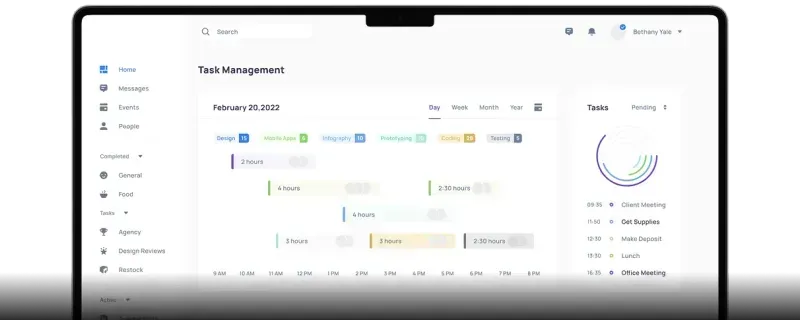
Custom dashboards, charts, and analytics interfaces that make complex data actionable. From real-time metrics to executive reporting views.

Design Audits & Optimization
Data-driven assessment of existing products with actionable redesign recommendations tied to conversion and retention metrics.
Technology We Work With












Our Work
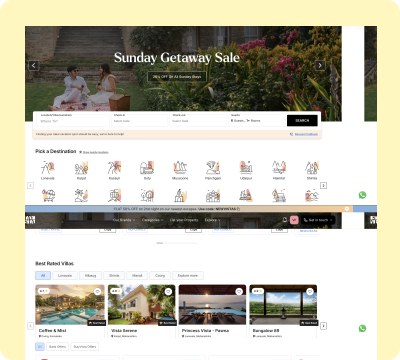
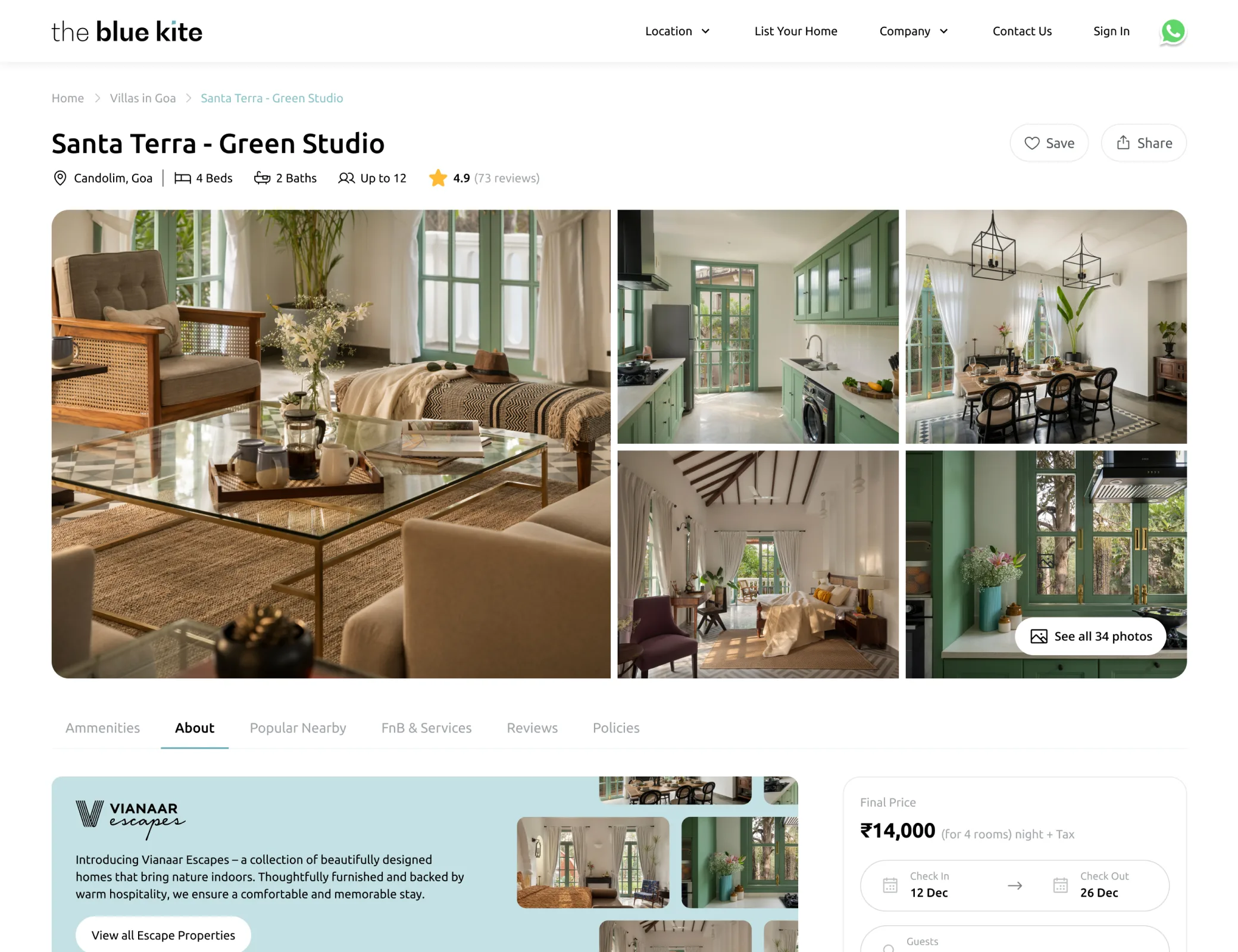
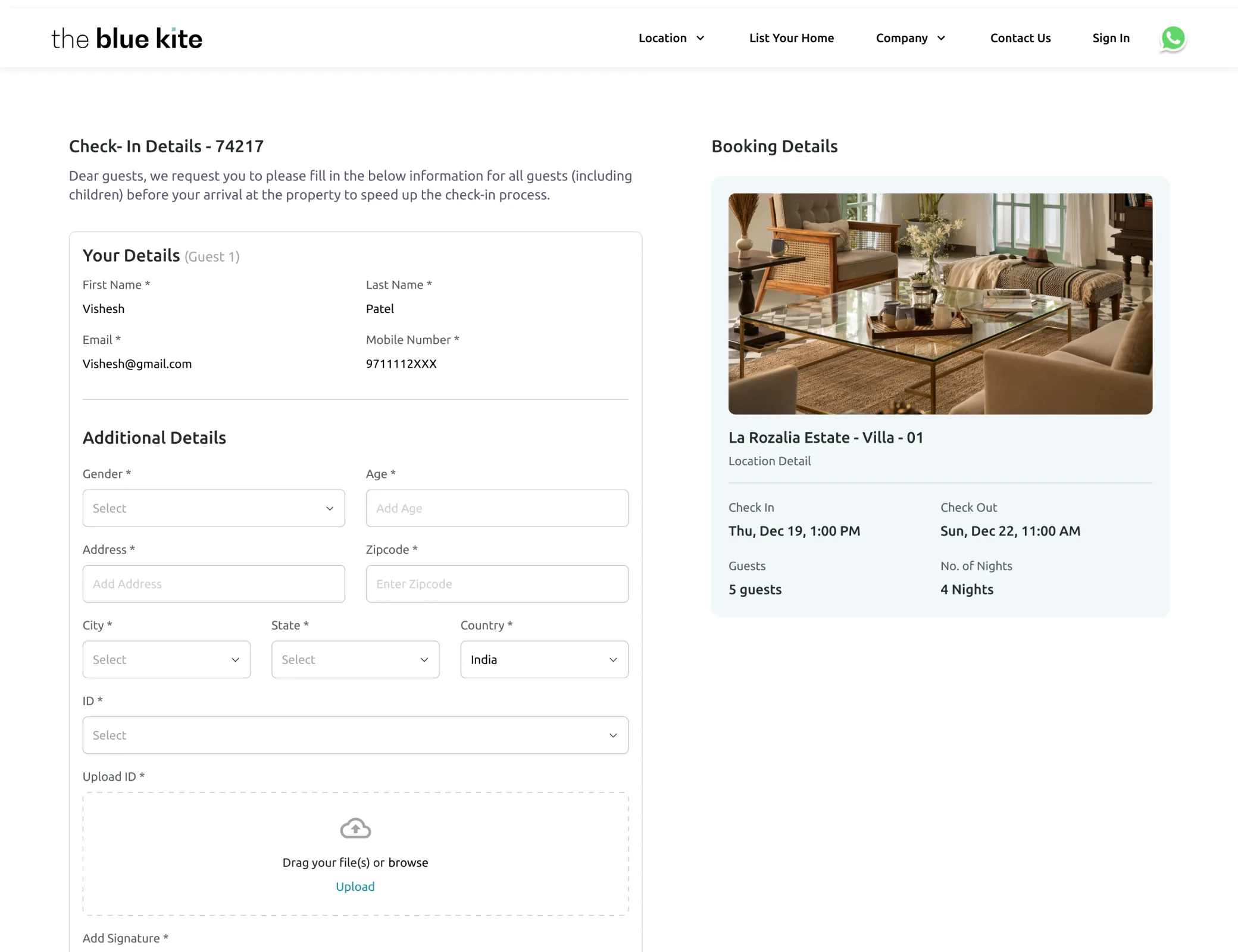
Rebuilt a hospitality booking platform on React and Next.js with a modern guest experience
Modern
Desktop + mobile experience
Tightened
Conversion path
React/
Platform rebuild


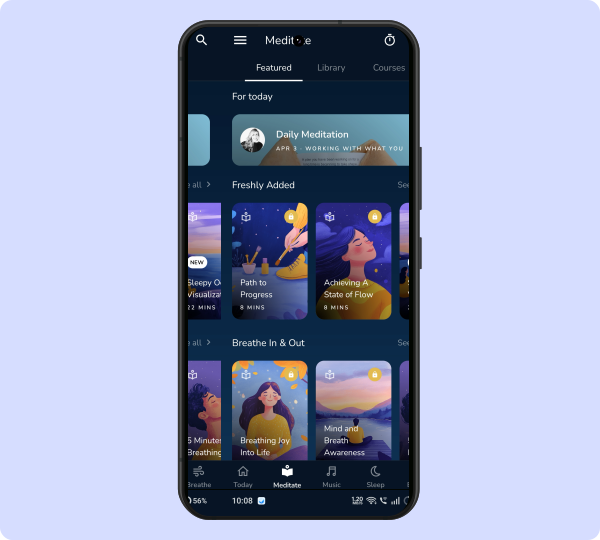
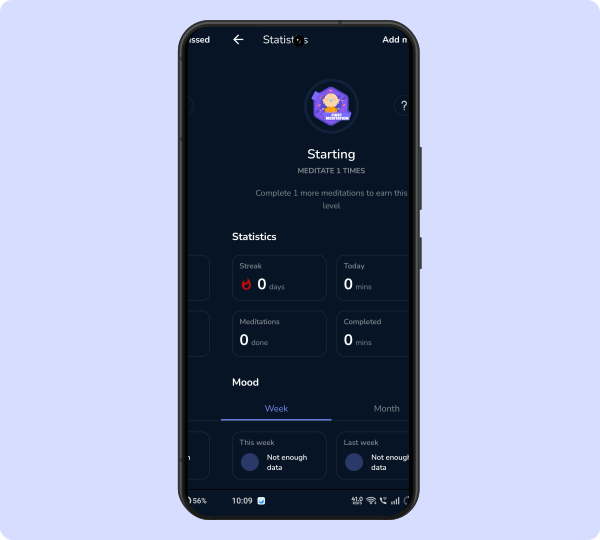
 Health
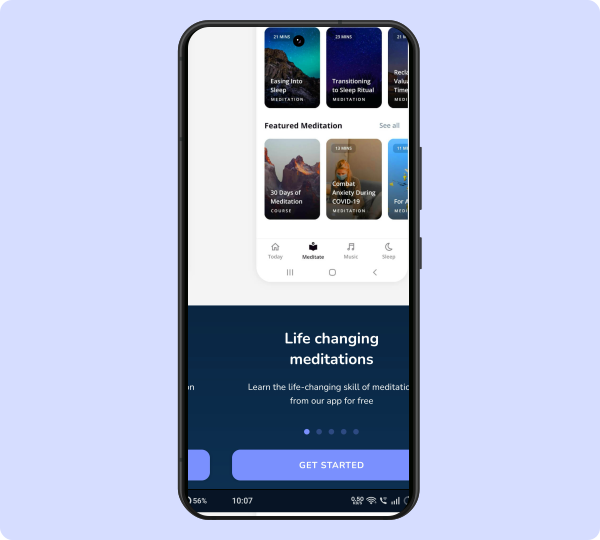
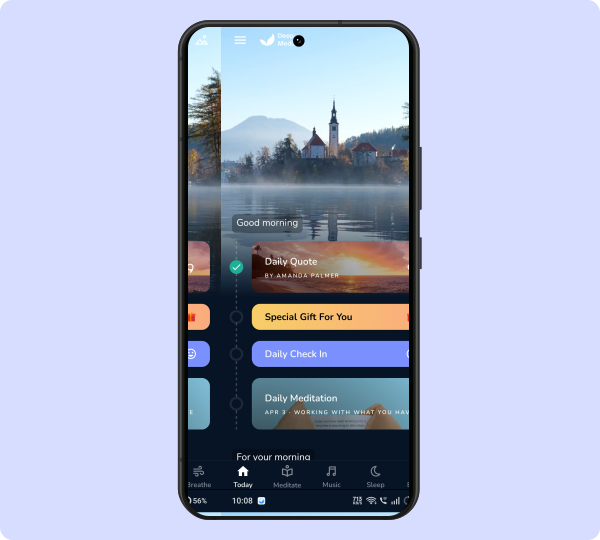
Redesigned a meditation app to drive 500K+ downloads and 15% paid conversion growth
500K+
Downloads
15%
Paid conversion growth
iOS + Android
Unified design system

 E-Commerce
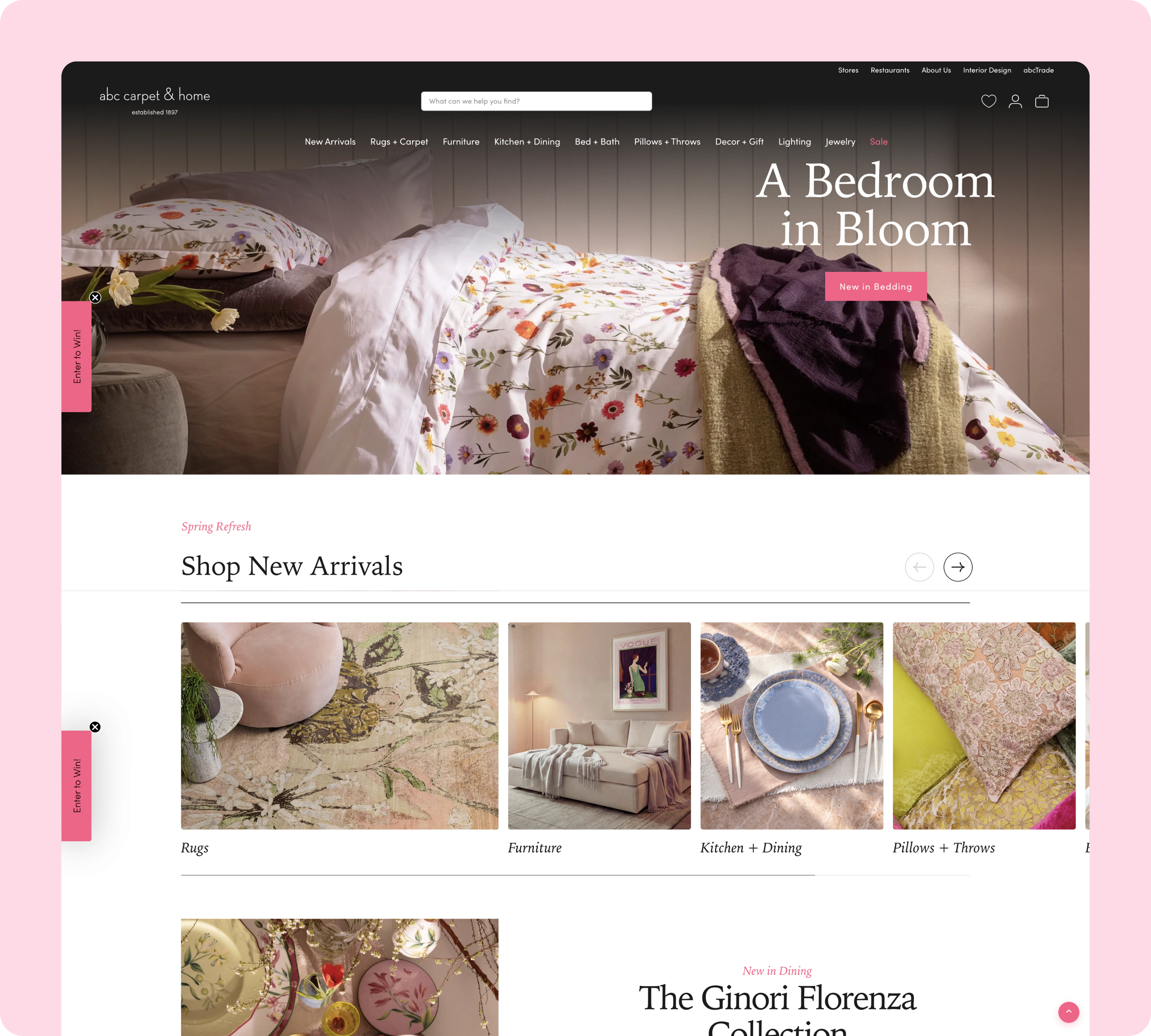
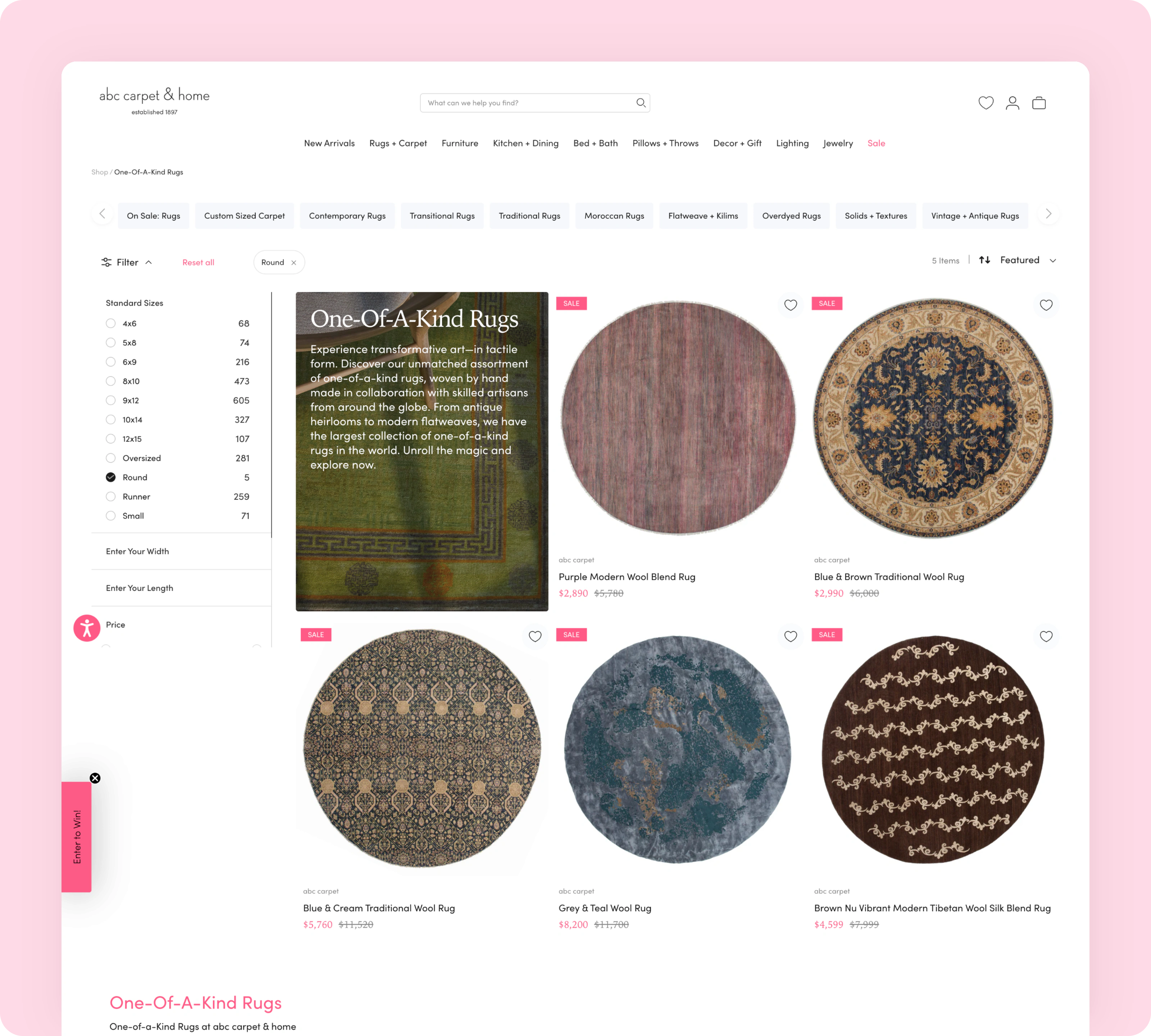
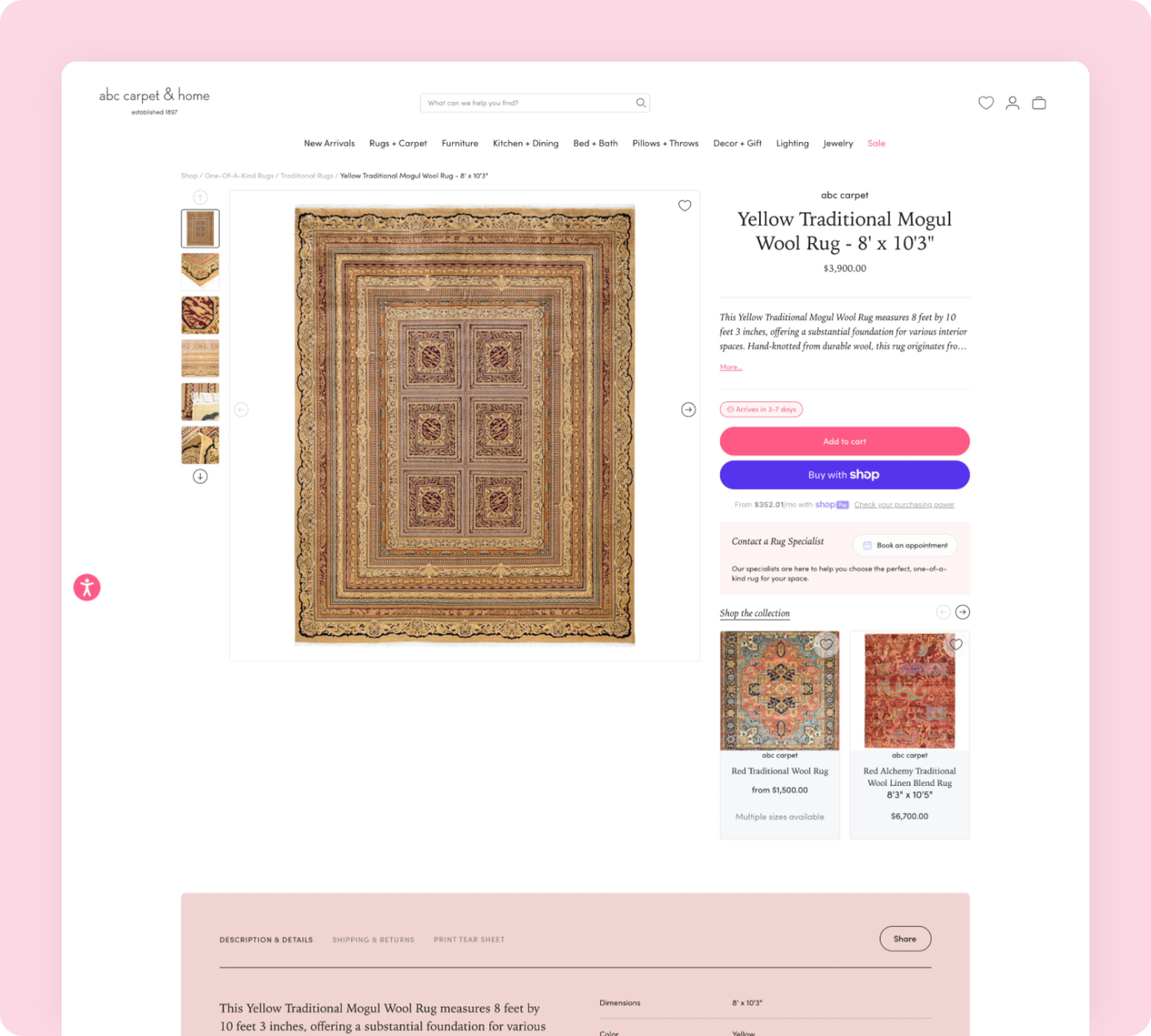
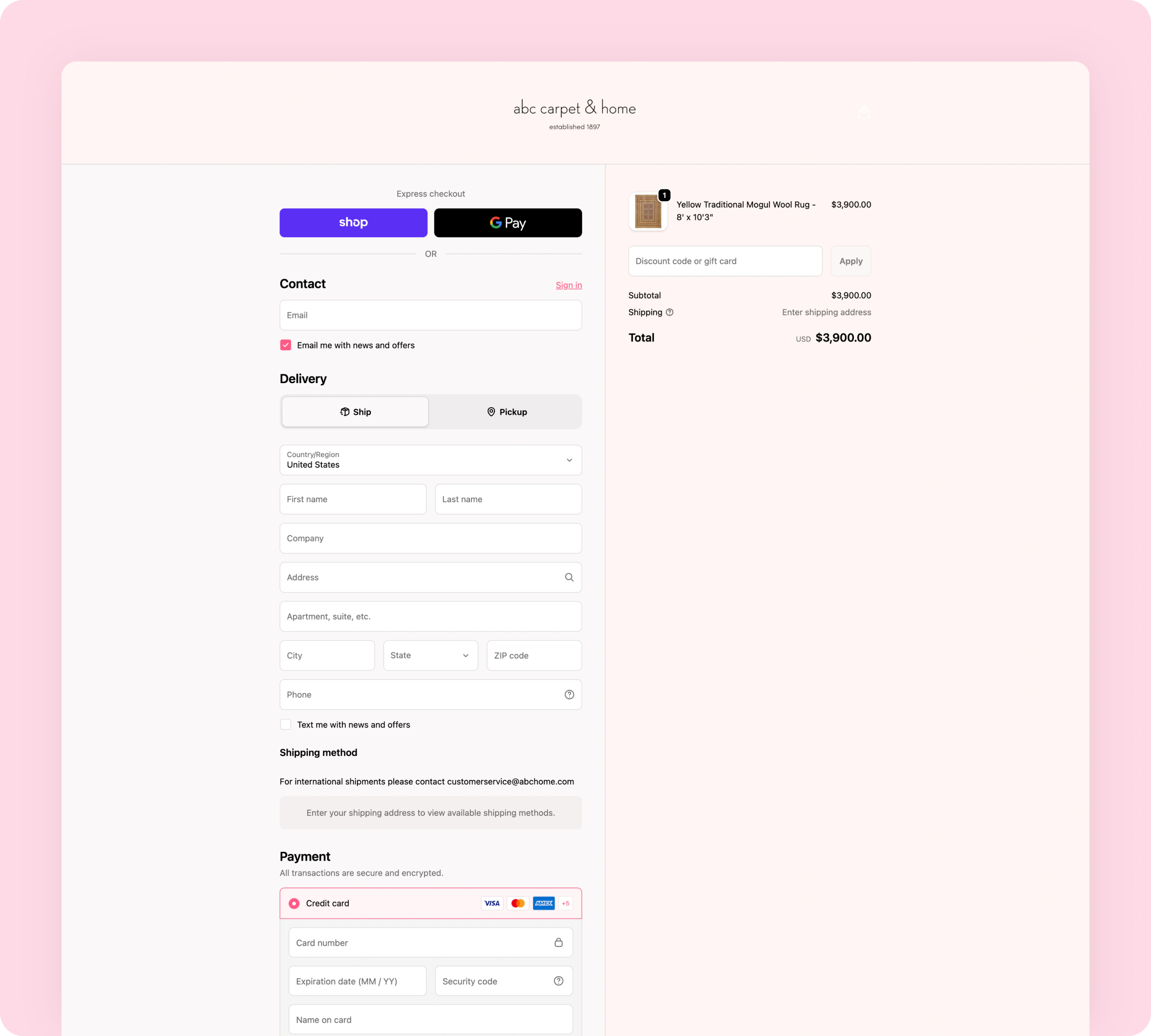
Designed a luxury e-commerce experience for 200,000+ SKUs on Shopify
50%
Efficiency in Inventory Mgmt
25%
Sales Boost
30%
Engagement Increase

 Manufacturing
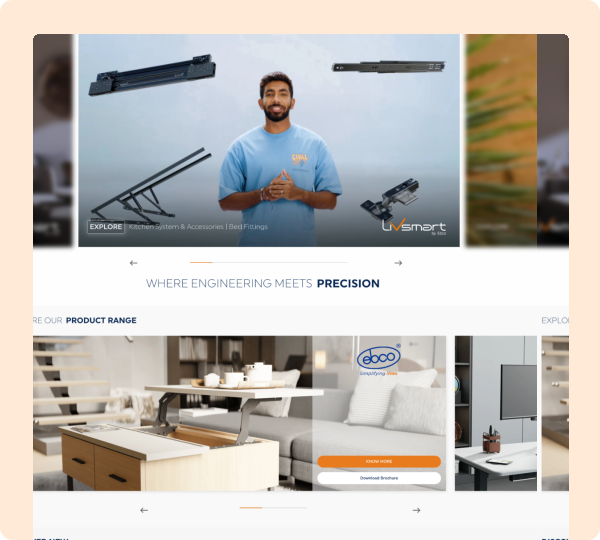
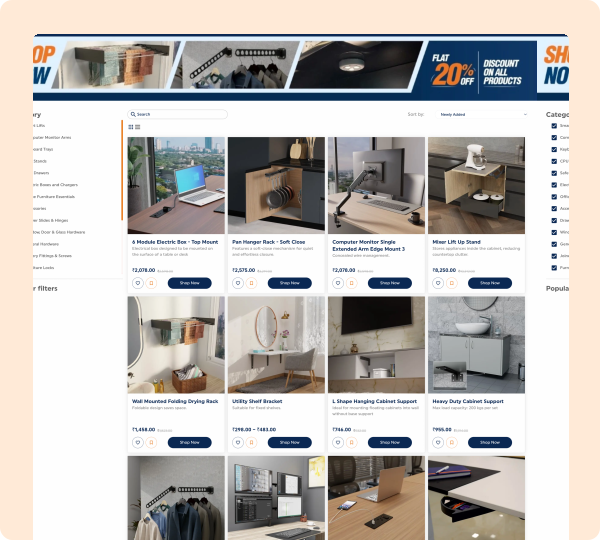
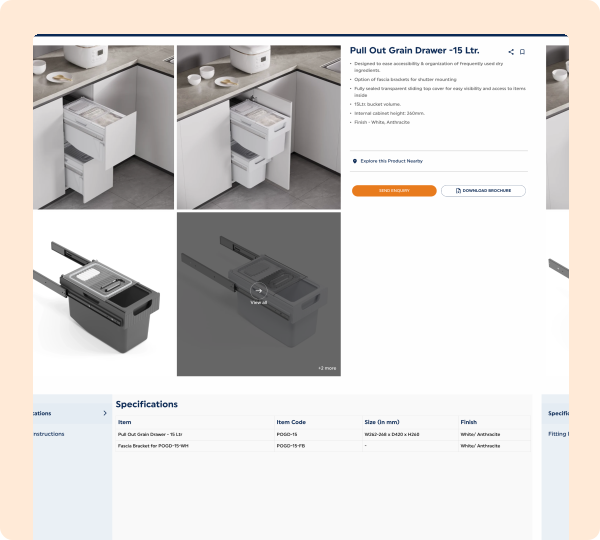
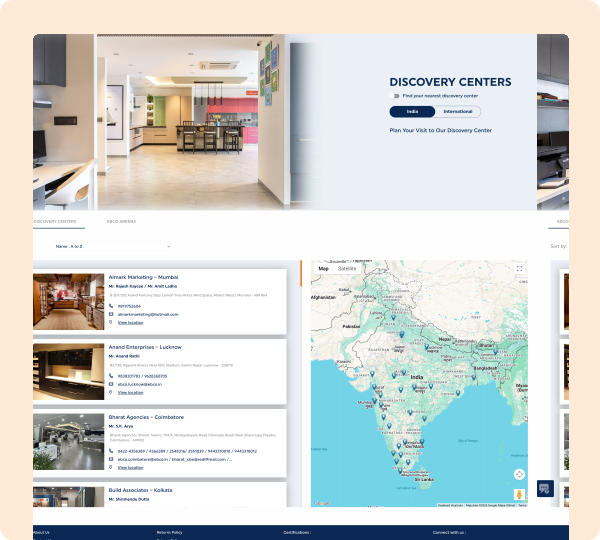
Designed a distributor portal that cut order processing time by 35%
35%
Faster order processing

Ready to turn your product's interface into a growth driver?
Talk to an ExpertCommon Questions About UX/UI Design
AI-native design means AI tools are embedded throughout the design process, from research through delivery. We use AI to generate user personas from behavioral data, run competitive audits at scale, and accelerate prototyping - while keeping design decisions grounded in human judgment and user testing.

Let's Build The Next Big Thing
Fill in the form or schedule a meeting to map out a path to success.
Prefer to book directly?
🗓️ Schedule on Calendly →Or email us:
✉️sales@unicoconnect.com