









What Makes a Tech Stack Future-Proof? A Developer Perspective

Saurav Jagdale
Technical Lead, Unico Connect
In this article
- Quick Answer
- Key Takeaways
- What Does "Future-Proof" Mean in Software Development?
- Core Components of a Modern Tech Stack
- Top Tech Stacks Developers Trust Today
- Key Considerations When Choosing a Future-Proof Tech Stack
- Niche-Specific Tech Stacks: Blockchain, AI, and Serverless
- Real-Life Scenarios: When Your Tech Stack Saves the Day
- Frequently Asked Questions
- Conclusion
Picking a tech stack is one of the most consequential decisions a CTO or founder makes. It shapes how quickly the team can ship, how the product scales, who you can hire, and how much rework you'll do over the next 3–5 years. The wrong choice produces invisible drag for years; the right one compounds advantage. This guide walks through what makes a tech stack genuinely future-proof — beyond chasing trends.
Quick Answer
A future-proof tech stack is one that scales with the business, has strong community and talent support, integrates cleanly with modern tooling, and stays adaptable as requirements change. The most reliable 2025 stacks are MERN/Next.js (web apps), JAMstack (content-driven sites), Python + Django/Flask (AI and data-heavy), and containerised microservices on Kubernetes (enterprise-scale). Specialised stacks exist for blockchain, AI/ML, and serverless workloads.
Key Takeaways
- "Future-proof" means scalable, low technical debt, well-supported, and adaptable — not "uses the trendiest framework"
- The five layers of a modern tech stack are frontend, backend, database, DevOps, and architecture
- The strongest 2025 mainstream stacks are Next.js/MERN, JAMstack, and Python + Django/Flask
- Specialised stacks (blockchain, AI/ML, serverless) shine for specific use cases
- Choose based on scalability, longevity, community depth, integration, and team skills — not fashion
What Does "Future-Proof" Mean in Software Development?
A future-proof tech stack has four characteristics:
- Maintainable — the codebase stays manageable as the team and codebase grow
- Scalable — it absorbs user growth, data growth, and feature complexity without re-architecture
- Low technical debt — choices don't lock you into corners that block future evolution
- Well-supported — strong communities, ample talent, mature documentation, active maintenance
The right framing is not "what's trending in 2025" but "what will still make sense in 2028". The strongest stacks tend to be boring, mature technologies with active development and broad adoption.
Core Components of a Modern Tech Stack
Five layers define every modern stack:
Frontend
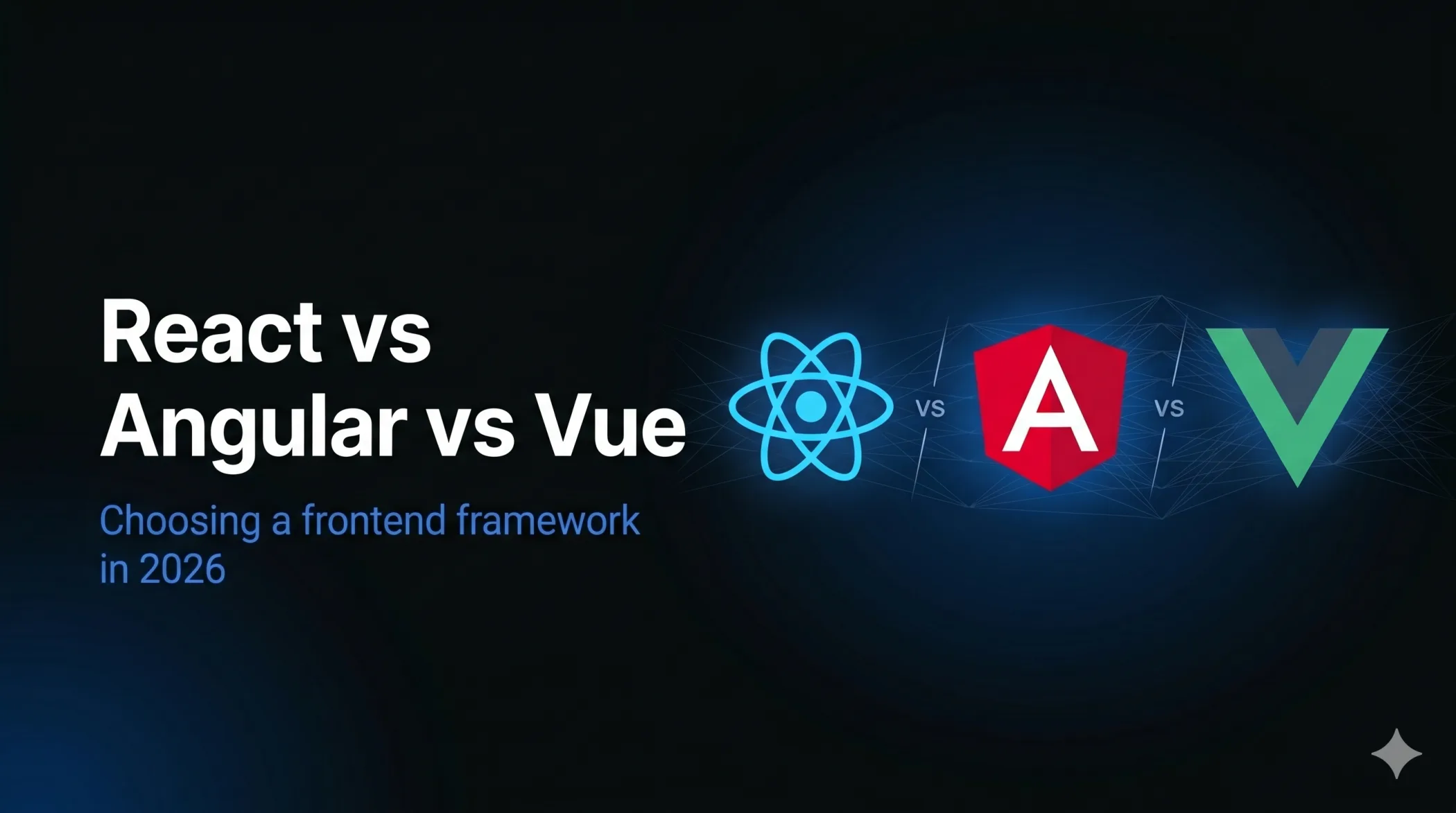
Modern frameworks like React (with Next.js), Vue, Svelte, and Angular handle the user interface. They share a common pattern: reusable component models, strong tooling, and broad community support. For most new projects in 2025, React + Next.js is the safest default.
Backend
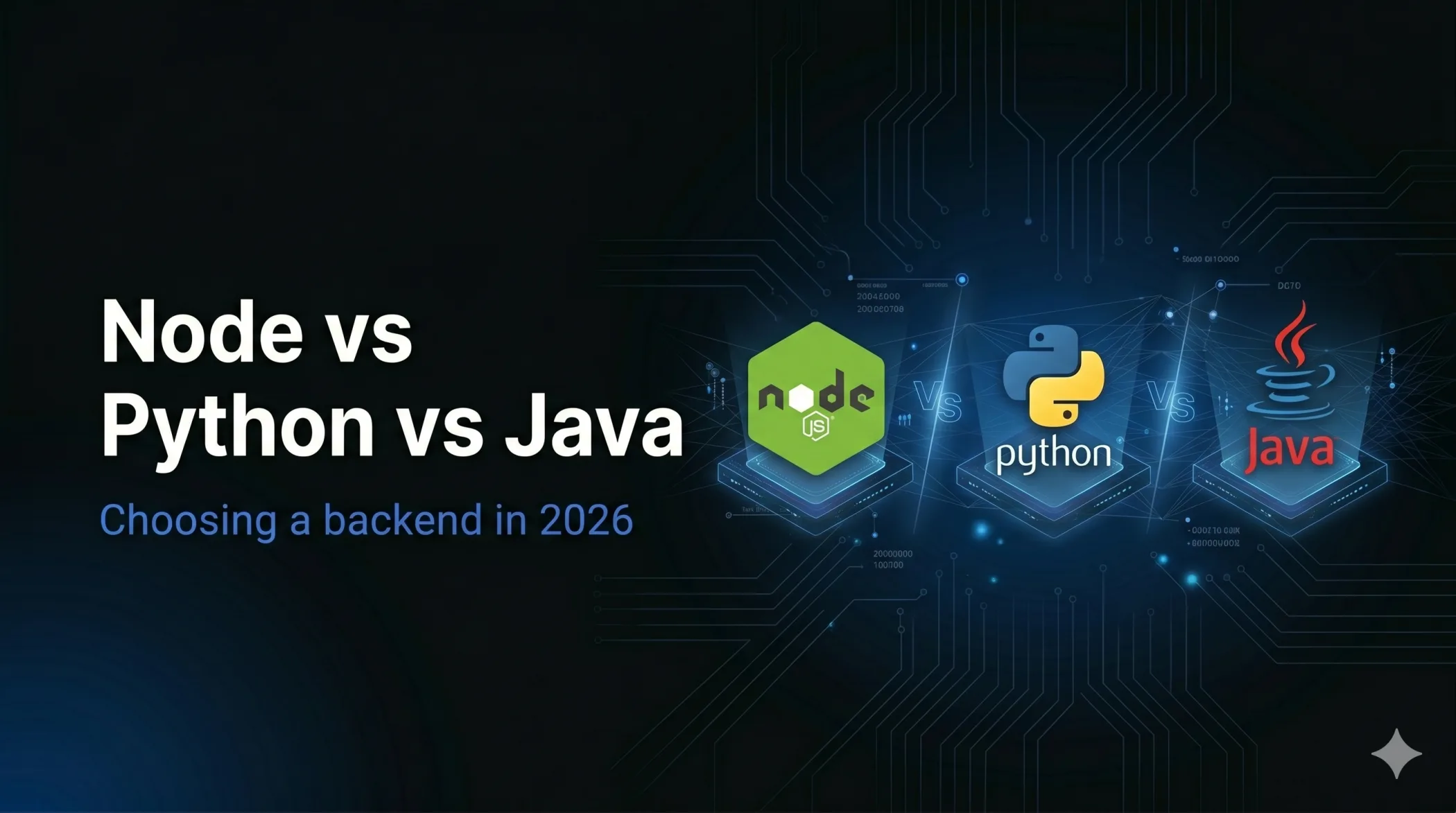
The backend handles business logic and data. Node.js leads for JavaScript-native teams; Python (Django, FastAPI) is dominant for AI and data-heavy work; Go is strong for high-performance services; Ruby on Rails remains productive for content-driven products. Pick based on team skills and use case, not fashion.
Databases
PostgreSQL is the dominant relational default for 2025 — strong, well-supported, broad ecosystem. MongoDB and other NoSQL options handle specific use cases (document-heavy data, flexible schemas). Use a managed database service (Neon, Supabase, RDS) unless you have a strong reason to self-host.
DevOps
Modern DevOps relies on containerisation (Docker), orchestration (Kubernetes), CI/CD pipelines (GitHub Actions, GitLab CI), infrastructure-as-code (Terraform), and observability (Grafana, Datadog). These are standard expectations, not optional.
Architecture
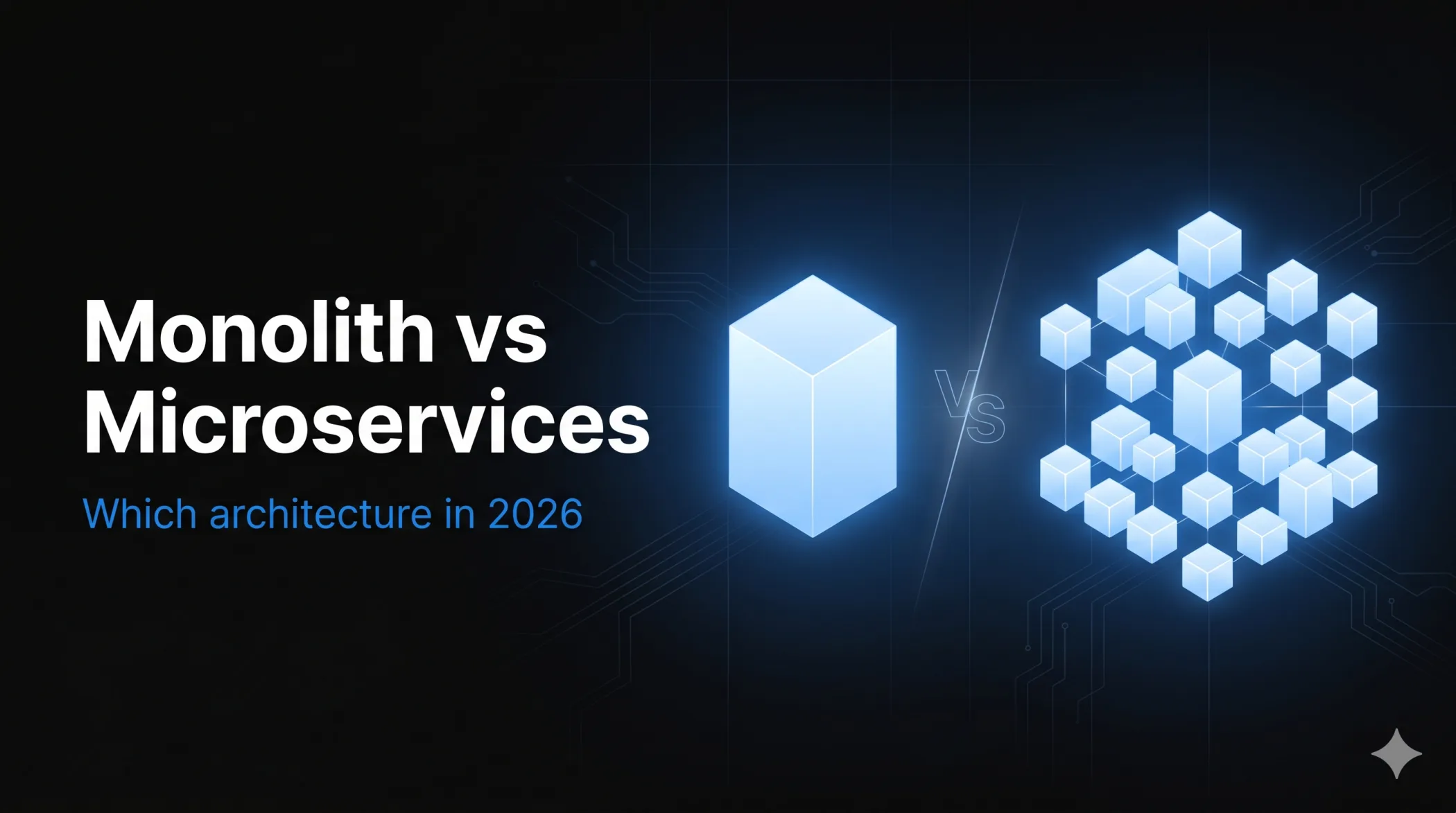
Monoliths still work for many applications and ship faster. Microservices help at larger scale but add operational complexity. Serverless removes infrastructure management for event-driven workloads. The right architecture depends on team size, complexity, and scale — not trend.
Top Tech Stacks Developers Trust Today
Three mainstream stacks dominate in 2025:
MERN / Next.js Stack (MongoDB or PostgreSQL, Express/Next.js API routes, React, Node.js)
Best for full-stack web applications with rich interactivity. JavaScript across the stack reduces context-switching. Strong ecosystem, ample talent, mature tooling. Default choice for most SaaS and consumer web apps.
JAMstack (JavaScript, APIs, Markup)
Best for content-heavy sites, marketing pages, documentation, and ecommerce frontends. Built with frameworks like Next.js, Astro, or Gatsby — static-generated content with API-driven dynamic features. Excellent for performance, SEO, and security.
Python + Django/Flask + AWS
Best for AI, data-heavy applications, and rapid prototyping where Python's library ecosystem matters. Strong fit for any application where ML, analytics, or data processing is central. Pairs well with managed cloud services for scaling.
Key Considerations When Choosing a Future-Proof Tech Stack
Five criteria consistently predict success:
- Scalability and performance — can the stack handle 10× and 100× growth without re-architecture?
- Longevity, updates, and LTS — is the maintainer committed to long-term support and continuous improvement?
- Community, talent, and documentation — large communities mean ample resources, quick problem-solving, and easier hiring
- Integration compatibility — does the stack play well with modern DevOps, third-party APIs, and CI/CD?
- Team skills — the right stack is one your team can build with confidently; an unfamiliar stack drags everything
Unico Connect's web app development services help enterprises evaluate and execute on the right tech stack for their specific needs.
Niche-Specific Tech Stacks: Blockchain, AI, and Serverless
Specialised stacks fit specialised workloads:
Blockchain Tech Stack
Solidity (smart contracts), Ethereum or other L2 platforms (network), IPFS (decentralised storage), and frameworks like Hardhat or Foundry for development. Strong fit for genuinely decentralised use cases — supply chain provenance, multi-party settlement, verifiable credentials.
AI/ML Tech Stack
Python with PyTorch or TensorFlow for modelling, FastAPI for serving, managed cloud services (AWS SageMaker, the Gemini Enterprise Agent Platform formerly GCP Vertex AI, Azure ML) for training and deployment. Pair with vector databases (pgvector, Pinecone, Weaviate) for retrieval-augmented generation.
Serverless Tech Stack
AWS Lambda, Vercel Functions, Cloudflare Workers, or Google Cloud Run for compute; Firebase or Supabase for backend services; managed databases for persistence. Best for event-driven workloads, MVPs, and applications with variable load.
Real-Life Scenarios: When Your Tech Stack Saves the Day
Two examples illustrate the value of getting the stack right:
Scaling Success
An ecommerce platform built on containerised microservices (Docker + Kubernetes) absorbed a 10× traffic spike during a viral campaign. Each service scaled independently. Zero downtime, zero re-architecture, zero engineering panic. The architecture investment paid off in one event.
Cost Optimisation
A B2B SaaS startup migrated specific event-driven features from a monolith to AWS Lambda. Compute costs dropped 60% for those workloads — they only paid for actual invocations rather than running idle servers. The savings funded the next quarter's product development.
Frequently Asked Questions
What is the best modern tech stack for startups in 2025?
For web apps, Next.js with TypeScript, Node.js/Edge functions, and PostgreSQL (managed via Neon or Supabase). For AI-heavy products, Python with FastAPI and the major ML libraries. The right answer depends on team skills, product type, and scale ambitions.
What should I look for when comparing tech stacks?
Scalability, community size, talent availability, integration ecosystem, performance, security defaults, and long-term maintenance outlook. Avoid stacks that are trendy but lack mature ecosystems or talent depth.
Can I mix and match components from different stacks?
Yes — modern architectures encourage modularity. A Python backend for AI, a Node.js service for real-time features, a React frontend, and PostgreSQL for data is a perfectly reasonable combination. Communicate via clean APIs and keep each component well-bounded.
How often should I re-evaluate my tech stack?
Significant re-evaluation typically happens every 3–5 years, or when triggered by a major change (scale tier, business pivot, talent shifts). Continuous incremental adoption of new tooling is healthier than big-bang rewrites.
What stacks should I avoid for new projects in 2025?
Avoid technologies with declining community support, no clear LTS plan, or weak talent pools. Avoid extreme bleeding-edge stacks for production systems where reliability matters more than novelty. Both extremes — stale and trendy — create future problems.
How does my tech stack affect my ability to hire?
Significantly. Popular mainstream stacks (Next.js, Python, Java) have deep talent pools and ample candidate flow. Esoteric stacks limit hiring to a narrow pool with premium salaries. Factor this into stack choice, especially for startups.
Conclusion
A future-proof tech stack is a strategic asset that compounds advantage over years. The strongest choices balance modern capability with mature support — boring technology that works, with a thriving community, and a clear path to scale. Choose based on the five criteria above, not on what's trending. To explore how Unico Connect helps enterprises pick and build on the right tech stack, see our web app development services.